

Quick Answer
Does FUT Hair Transplant Surgery Leave a Scar?
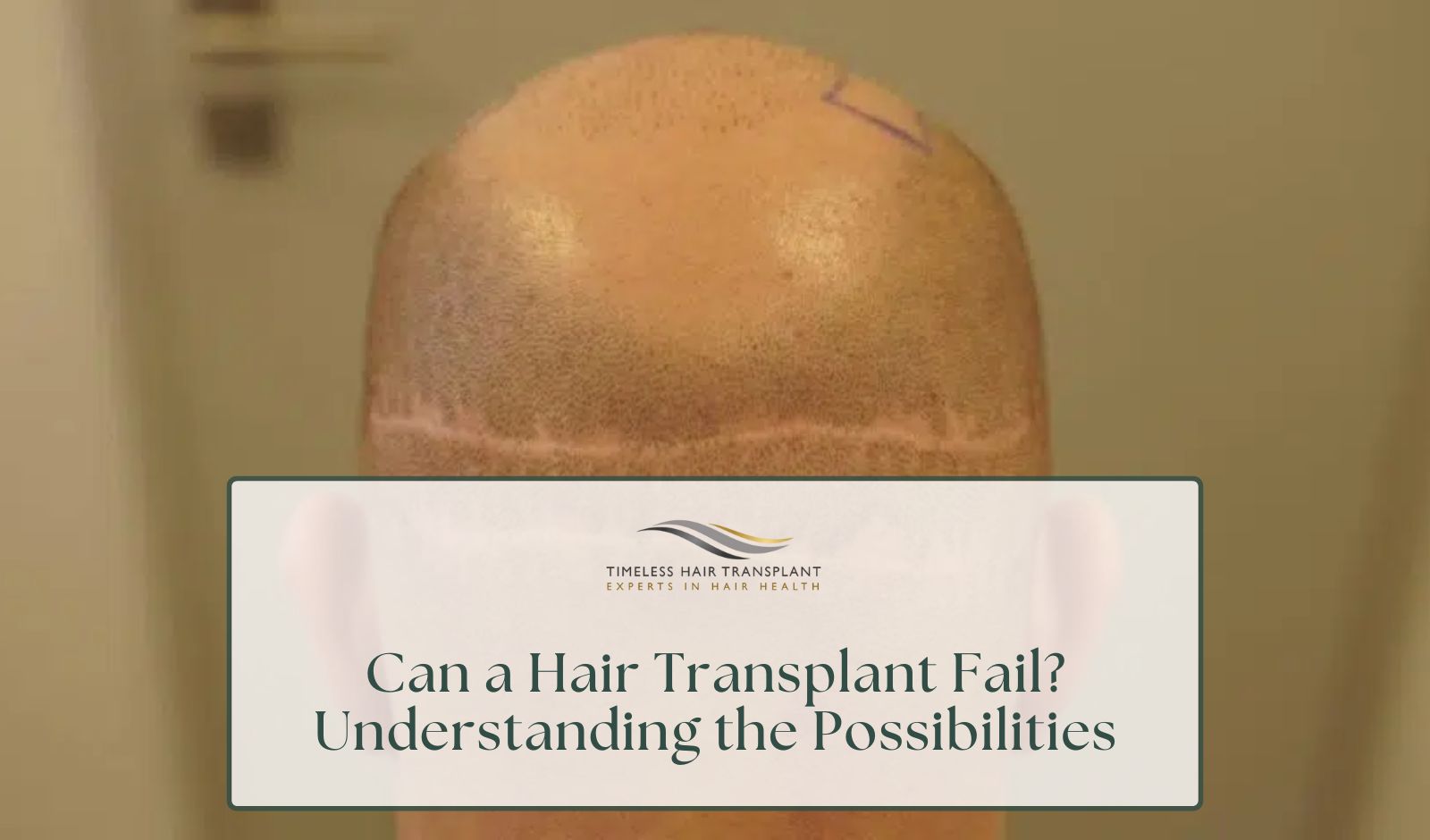
Yes, Follicular Unit Transplantation (FUT) leaves a linear scar in the donor area where a strip of scalp is removed. However, with proper surgical techniques, good scar healing, and surrounding hair, the scar is often well hidden. The appearance of a FUT scar depends on factors such as skin type, healing, and the surgeon’s experience.
Key Takeaway
- FUT surgery leaves a linear scar in the donor area
- Most FUT scars are concealed by surrounding hair
- Proper scar healing helps minimise visibility
- Hair length can affect how noticeable the scar appears
- FUE and FUT create different types of hair transplant scars
- Following aftercare instructions supports better healing
- Choosing an experienced surgeon can improve cosmetic results
- Professional advice can help if you are concerned about a donor scar
When considering a hair transplant, many patients want to know what kind of scarring to expect. While Follicular Unit Transplantation (FUT) remains an effective treatment for hair loss, one of the most common concerns is the scar left behind after surgery.
Understanding how a FUT scar forms, how it heals, and what influences its appearance can help you make an informed decision. Knowing what to expect also helps you prepare for recovery and understand the differences between FUT and other hair transplant techniques.
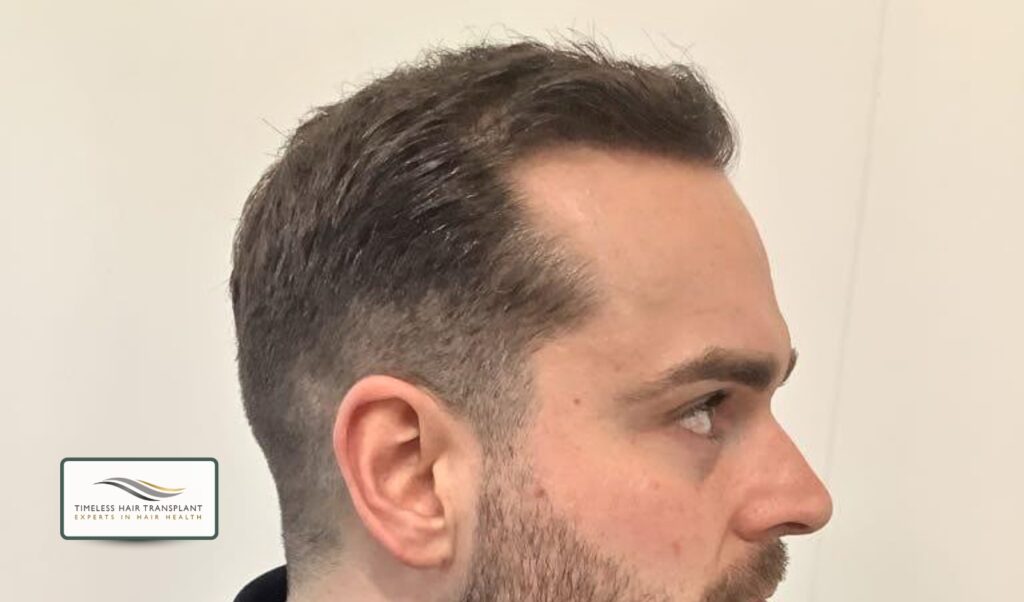
"FUT is a good technique that gives good results." - Dr. Luciano Sciacca, Timeless Hair Transplant
What is a FUT Scar?
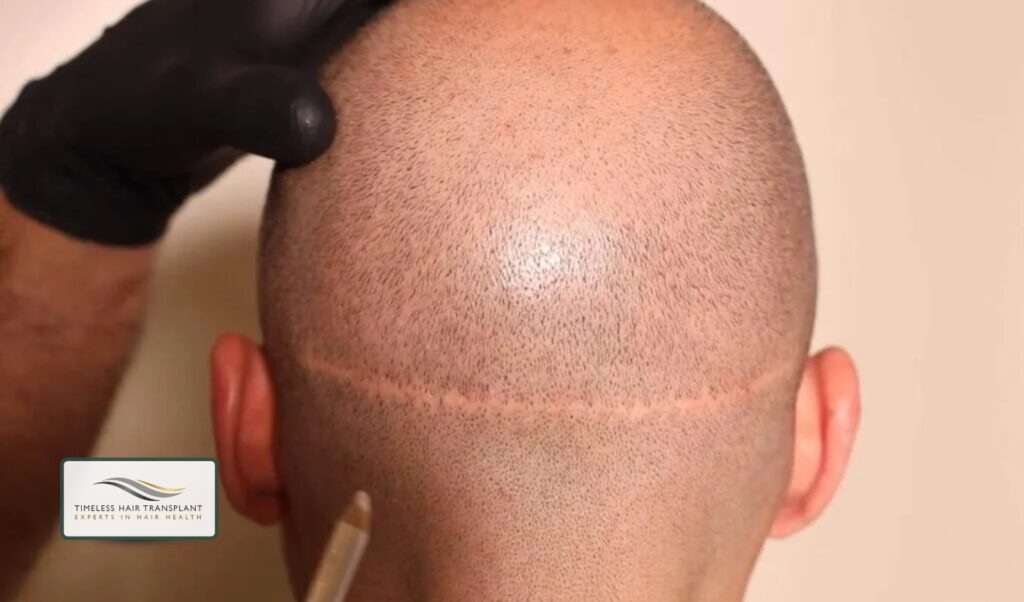
A FUT scar is the line that remains in the donor area after a strip of scalp is removed during a FUT hair transplant procedure.
During FUT surgery, healthy hair follicles are taken from the donor area before being transplanted into thinning or balding areas. The donor site is then carefully closed with stitches or staples, creating what is known as a linear scar.
Although every patient heals differently, most scars become less noticeable over time.
Why Does FUT Leave a Linear Scar?
Unlike Follicular Unit Excision (FUE), which removes individual follicles, FUT removes a narrow strip of scalp from the donor area.
Because the skin is closed after the strip is removed, the procedure naturally leaves a linear scar. The size and appearance of the scar depend on several factors, including:
- The width of the donor strip
- Skin elasticity
- Surgical technique
- Individual healing
For many patients, the scar is easily covered by the surrounding hair.
How Visible Are FUT Hair Transplant Scars?
Most hair transplant scars from FUT are hidden beneath medium or longer hairstyles. However, visibility varies from person to person.
Factors that influence scar appearance include:
- Hair length
- Hair density
- Scar healing
- Skin type
- Individual recovery
Patients who prefer very short hairstyles may find the donor scar more noticeable than those who keep longer hair.
How Long Does a FUT Scar Take to Heal?
Scar healing happens gradually over several months.
During the first few weeks, the donor area may appear:
- Red
- Slightly swollen
- Tender
As healing continues, the scar usually becomes flatter and lighter in colour. Most patients notice significant improvement within several months, although scar maturation may continue for up to a year.
Following your surgeon’s aftercare instructions can help support healthy healing.
FUT Scar Revision
Although every FUT procedure leaves a scar, there are ways to reduce its visibility.
Helpful strategies include:
- Following aftercare instructions
- Avoiding unnecessary tension on the scalp
- Protecting the scar during healing
- Attending follow-up appointments
If a scar has already become wide or noticeable, scar revision may be an option. This can involve techniques such as re-excising and re-closing the scar, or using FUE to transplant hair follicles directly into the scar tissue to help camouflage it. Your surgeon can assess whether scar revision is suitable based on your scar’s size, skin condition, and donor hair availability.
FUT vs FUE Scars
One of the biggest differences between FUT and FUE is the type of scarring they produce.
With FUT:
- A single linear scar forms in the donor area.
With FUE:
- Small circular scars are spread throughout the donor area.
Neither technique is completely scar-free, but the appearance of the scars differs. The right procedure depends on your hair loss, hairstyle preferences, donor hair, and treatment goals.
Does a FUT Scar Affect Hair Growth?
The scar itself does not affect the growth of transplanted hair in the recipient area.
The transplanted hair follicles continue to grow normally once they establish a healthy blood supply. The donor scar is separate from the transplanted area and does not interfere with the long-term success of the procedure.
Who is a Good Candidate for FUT?
FUT may be suitable for patients who:
- Need a larger number of grafts
- Have good scalp flexibility
- Usually wear longer hairstyles
- Want to maximise donor hair use
A consultation with an experienced surgeon can help determine whether FUT or FUE is the better option.
Final Thoughts
A FUT scar is a normal part of Follicular Unit Transplantation and is usually well hidden by surrounding hair. While the procedure leaves a linear scar, careful surgical techniques and proper aftercare can help minimise its appearance over time.
Understanding the differences between FUT and FUE can help you choose the treatment that best suits your hair restoration goals and lifestyle.
Learn More About Your Hair Restoration Options
Choosing the right hair transplant procedure starts with expert advice. Our team can explain the differences between FUT and FUE, discuss scar healing, and recommend the most suitable treatment for your needs.
Call +44 18 9524 8415 or book a free consultation with Timeless Hair Transplant today to explore your personalised hair restoration options.
Frequently Asked Questions
Does FUT leave a scar?
Yes. A FUT hair transplant leaves a linear scar in the donor area where the strip of scalp is removed. In most cases, the scar becomes less noticeable as it heals and is often hidden by surrounding hair.
How long does an FUT scar take to heal?
Initial healing usually occurs within a few weeks, but scar healing continues over several months. The appearance of the scar often improves for up to a year after surgery.
Can a FUT scar be removed?
A FUT scar cannot usually be removed completely, but its appearance may improve over time. Some patients may also be suitable for treatments that help reduce scar visibility.
Does FUE leave scars too?
Yes. Follicular Unit Excision (FUE) also creates scars, but they are small circular marks rather than one linear scar.
Does a FUT scar affect transplanted hair growth?
No. The donor scar does not affect the growth of transplanted hair follicles in the recipient area once they have healed.
Can I keep my hair short after FUT surgery?
You can, but very short hairstyles may make the donor scar more visible. Patients who prefer longer hair often find it easier to conceal the scar.
What helps a FUT scar heal well?
Following your surgeon’s aftercare instructions, protecting the donor area, and allowing enough time for recovery all support healthy scar healing.