
Quick Answer
What is FUE hair transplant?
An FUE hair transplant is a minimally invasive procedure that moves individual hair follicles from a healthy donor area to thinning or balding areas. It uses a small punch tool to extract follicles without removing a strip of scalp, allowing for natural-looking, long-term hair growth with less noticeable scarring.
Key Takeaways
- FUE stands for Follicular Unit Extraction.
- The procedure removes individual hair follicles from a healthy donor area.
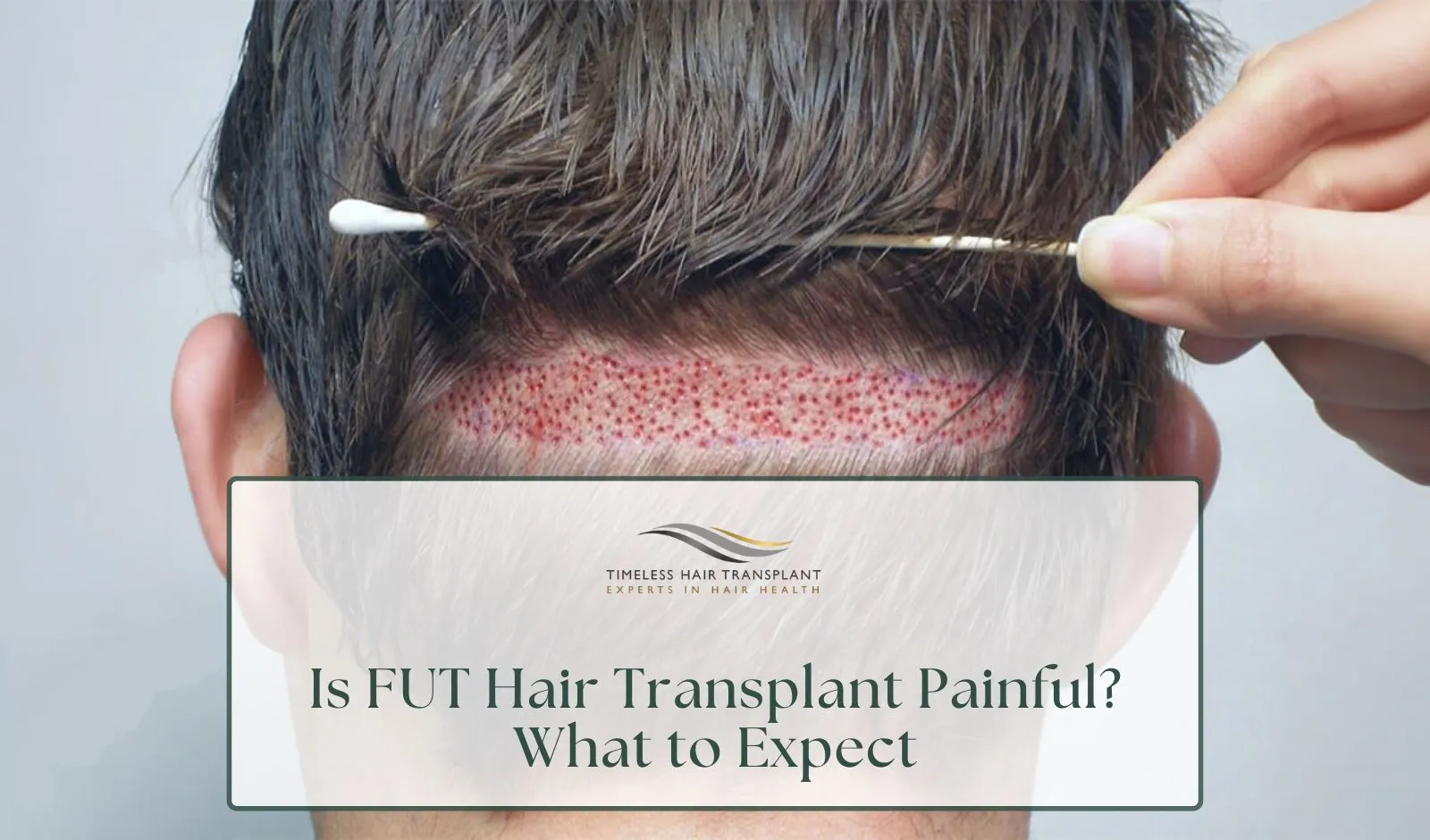
- FUE leaves small, dot-like scars rather than a linear scar.
- Local anaesthetic helps minimise discomfort during treatment.
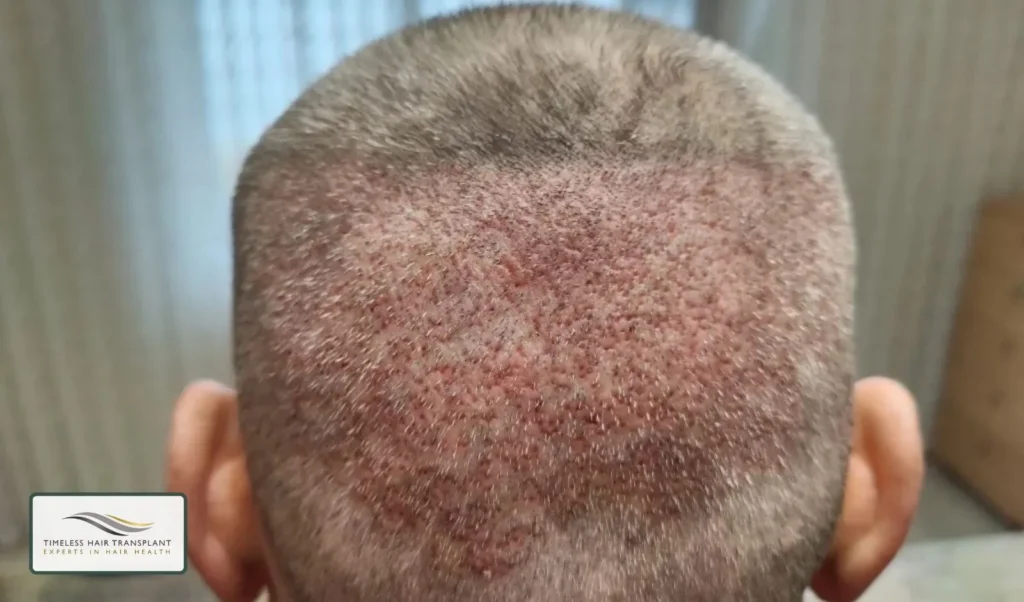
- Most patients experience mild swelling, redness, or scabbing during early recovery.
- New hair growth generally becomes noticeable within three to six months.
- Results depend on donor hair quality, hair loss pattern, and individual healing.
If you’ve been looking into solutions for hair loss, chances are you’ve come across the term FUE hair transplant. But what exactly is it, how does it work, and why is it one of the most popular hair restoration techniques today?
This detailed guide explains what an FUE procedure involves, its benefits, the recovery process, possible side effects, and how to know if it’s right for you.
Understanding FUE Hair Transplant
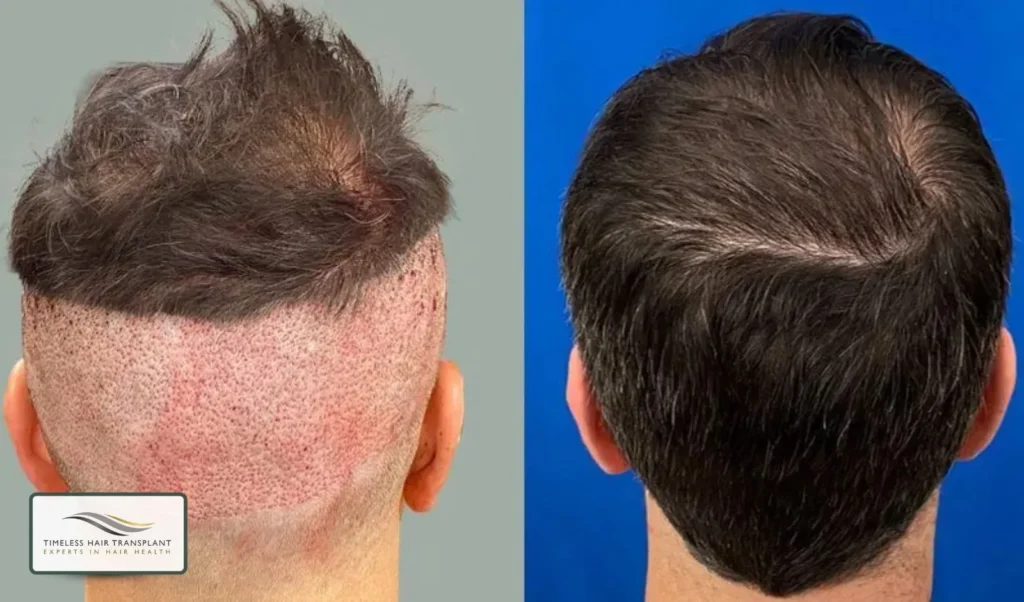
FUE stands for Follicular Unit Extraction, a modern and minimally invasive hair transplant procedure. In an FUE hair transplant, individual hair follicles are taken from a part of your scalp with healthy hair growth, known as the donor area, and moved to thinning areas or bald spots.
Unlike FUT hair transplants (Follicular Unit Transplantation), which involve removing a strip of skin, the FUE method uses a micro-punch tool to extract hair follicles one at a time. This means:
- No large, linear scar
- Faster recovery
- Greater flexibility in hairstyle choices
The transplanted hair follicles are generally more resistant to future pattern hair loss and can provide long-term growth, making FUE a long-term option for restoring hair and confidence.
How the FUE Procedure Works
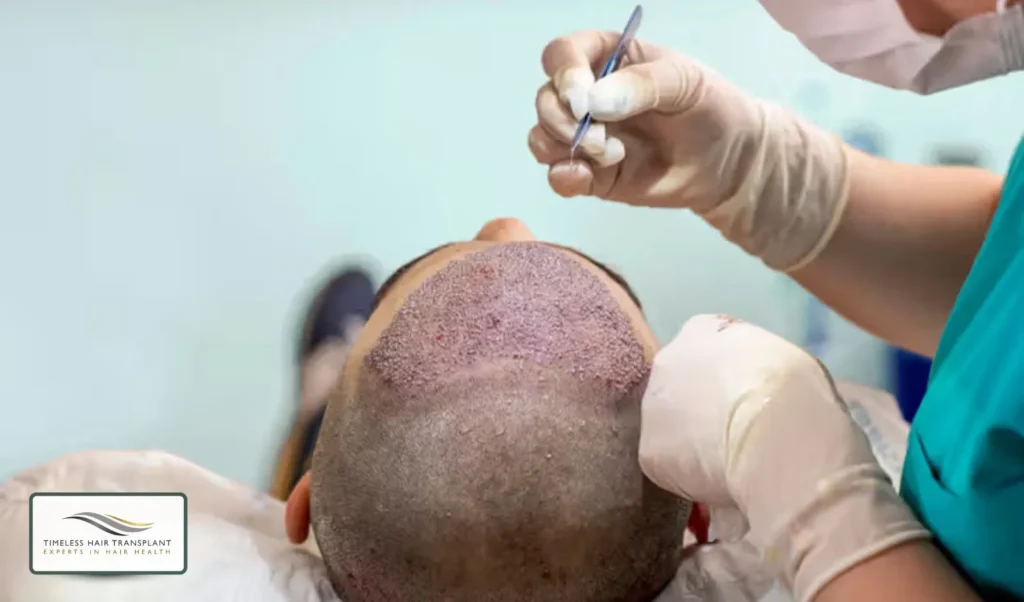
An FUE hair transplant follows a series of precise, careful steps to ensure the best outcome:
1. Consultation & Assessment
Your hair transplant surgeon will examine your scalp, review your extent of hair loss, assess the donor hair quality, and discuss your goals. This is also when conditions like male pattern baldness are identified and factored into your treatment plan.
2. Preparation
Both the donor and recipient areas are cleaned. A local anaesthetic is applied to numb the scalp, ensuring the procedure is comfortable.
3. Extraction of Hair Follicles
Using a specialised micro-punch device, the surgeon removes healthy hair grafts from the donor area. Each graft typically contains one follicular unit with 1-4 hairs.
4. Implantation
The extracted grafts are carefully placed into the thinning areas or bald zones, following your natural hair growth pattern for a seamless result.
5. Post Operation Care
After the hair transplant surgery, you’ll receive clear aftercare instructions to protect the transplanted hair follicles during healing.
Benefits of FUE Hair Transplant
- Minimally Invasive – No stitches or long scars
- Natural-Looking Results – Grafts are placed to mimic natural hair direction and density
- Quick Recovery – Many patients return to normal routines within days
- Long-Term Hair Growth – Donor follicles are generally more resistant to pattern hair loss
- Less Discomfort – Compared to more invasive methods
Who Is a Good Candidate?
You might be a suitable candidate for an FUE hair transplant if you:
- Have thinning hair or bald spots
- Suffer from male pattern baldness but still have a healthy donor area
- Are in good general health
- Have realistic expectations about the hair transplant result
The surgeon will also assess medical conditions that could affect graft survival or slow the healing process.
Recovery Process After FUE
The recovery phase after an FUE hair transplant operation is usually straightforward. Here’s a typical timeline:
- Days 1-3: Mild swelling, redness, and tenderness in the donor and recipient areas
- Week 1: Small scabs form around the transplanted grafts; they fall off naturally
- Weeks 2-3: Redness and scabbing improve, and temporary hair shedding may occur
- 3-6 Months: New hair growth becomes noticeable, with gradual improvements in density
- 6-12 Months: Hair growth becomes more noticeable, with results continuing to mature over 12-18 months.
Following post surgery care instructions is essential to avoid complications and protect your investment.
Possible Side Effects of FUE
While generally safe, the FUE procedure can have temporary side effects, including:
- Mild swelling or redness
- Scabbing around graft sites
- Temporary numbness in treated areas
- Shock loss (temporary shedding of transplanted or nearby hair)
Most temporary side effects improve as the scalp heals, although some may last longer. Choosing an experienced hair transplant surgeon can help minimise the risk of complications.
FUE vs. FUT: Which Is Right for You?
Both Follicular Unit Extraction (FUE) and Follicular Unit Transplantation (FUT) are effective hair restoration surgery options, but they differ in scarring, recovery time, and graft collection:
- FUE – Leaves small, dot-like scars, generally allows faster recovery, and offers more flexibility with short hairstyles.
- FUT – Leaves a linear scar but may be more suitable for collecting a larger number of grafts in one session.
The right choice depends on your extent of hair loss, donor hair quality, and treatment goals.
Success Rates and Long-Term Results
FUE hair transplants can provide natural-looking, long-term results when performed by experienced surgeons. Outcomes depend on donor hair quality, surgical technique, and individual healing.
Transplanted follicles are generally more resistant to pattern hair loss and can continue growing for many years. However, untreated areas may still experience thinning over time, so some patients consider maintenance treatments to preserve overall hair density.
Caring for Your Hair After FUE
Proper aftercare is essential to protect your new grafts and ensure long-lasting results. Here are some important steps to follow:
- Refrain from touching, rubbing, or scratching the treated areas
- Clean your scalp gently, following your surgeon’s instructions
- Shield your head from direct sunlight during the early recovery stage
- Avoid strenuous workouts or contact sports for at least two weeks to prevent dislodging grafts
- Support healthy hair growth with a balanced diet and overall healthy lifestyle
By following these simple guidelines and your surgeon’s personalised advice, you’ll give your transplanted hair the best chance to thrive, helping you enjoy natural, healthy growth for years to come.
Final Thoughts
An FUE hair transplant can be an effective option for restoring hair in areas affected by thinning or baldness. Understanding the procedure, benefits, recovery process, and possible side effects can help you make an informed decision.
While FUE can provide natural-looking, long-term results, outcomes depend on your donor hair, hair loss pattern, and individual healing. A personalised assessment can help determine whether this technique is suitable for your restoration goals.
Start Your Hair Restoration Journey
At Timeless Hair Transplant, Dr. Luciano Sciacca provides personalised FUE treatment plans and aftercare guidance based on your individual needs.
Call +44 18 9524 8415 today to book your free consultation.
Frequently Asked Questions
Do I need to shave my head for an FUE hair transplant?
Not always. Some clinics offer partial or unshaven FUE procedures, depending on the number of grafts needed and the treatment area.
How many grafts can I get in one FUE session?
The number varies based on your donor hair, scalp condition, and treatment goals. Your surgeon will determine a suitable graft count during consultation.
Can women have an FUE hair transplant?
Yes, women with suitable donor hair and certain types of hair loss may qualify for FUE. A professional assessment can determine whether the procedure is appropriate.
Can I have FUE if I have already had a hair transplant?
Yes, a second FUE procedure may be possible if sufficient healthy donor hair remains. Your surgeon will assess your previous treatment and scalp condition.
Will I need to take medication after an FUE hair transplant?
Your surgeon may prescribe short-term medication to manage discomfort or support healing. Additional treatments may be recommended to help manage ongoing natural hair loss.