

Quick Answer
What happens if a hair transplant fails?
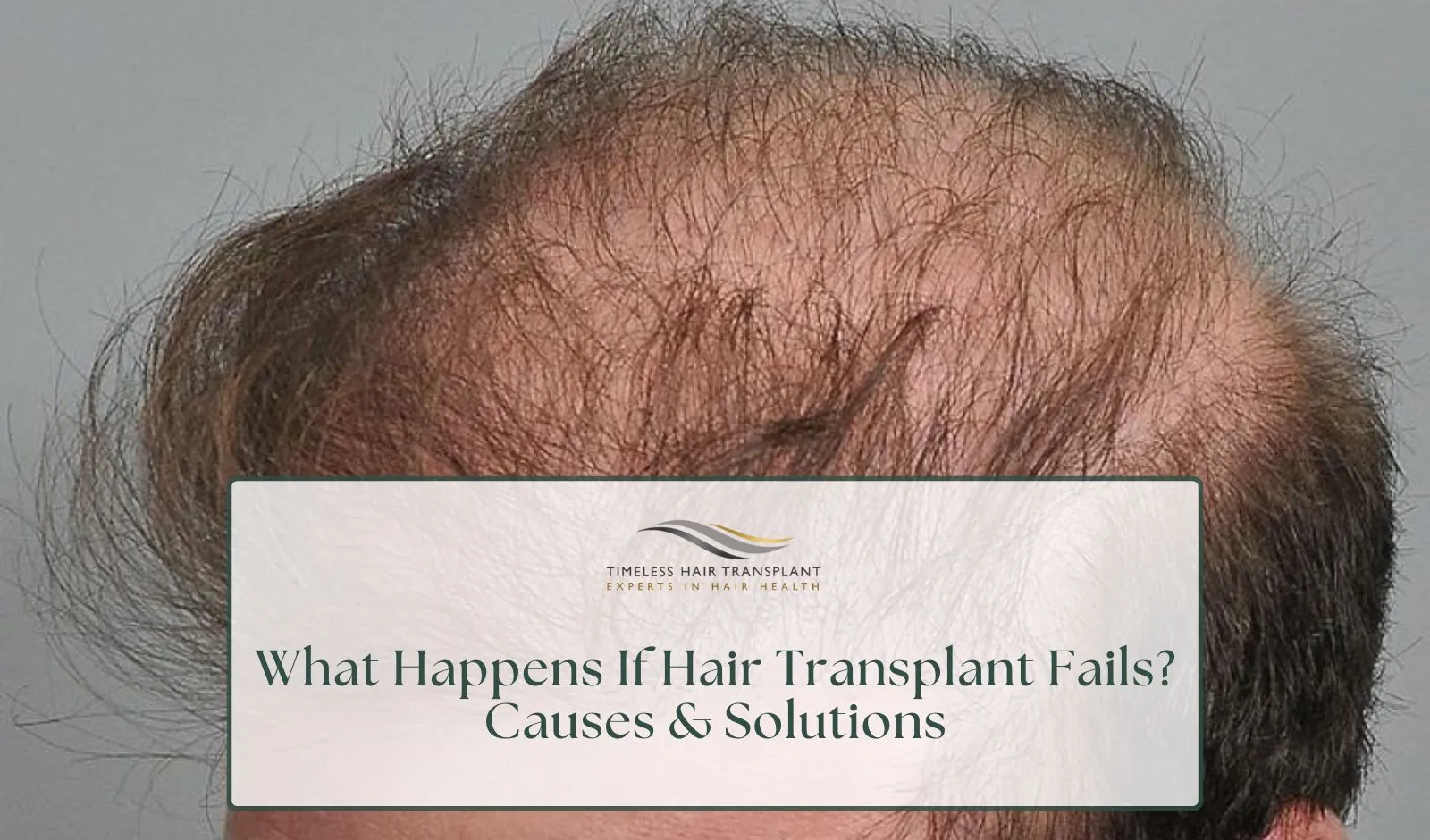
If a hair transplant fails, you may experience limited hair growth, uneven density, visible scarring, or an unnatural hairline. Failure can result from poor graft handling, surgical complications, underlying scalp conditions, or improper aftercare. Depending on the cause, revision surgery or other treatments may help improve the results
Key Takeaways
- Hair transplant failure can cause poor growth, patchy coverage, or visible scarring.
- Temporary shedding during recovery does not necessarily mean the procedure has failed.
- Poor graft handling, surgical technique, and underlying health conditions can affect results.
- Final hair growth may take 12 to 18 months to develop.
- Revision surgery may improve results if sufficient healthy donor hair remains.
- Scalp micropigmentation and certain medications may help address specific concerns.
- Choosing a qualified surgeon and following aftercare instructions can reduce the risk of complications.
Hair transplants are a trusted solution for restoring confidence in people experiencing hair loss, whether it’s thinning hair, a receding hairline, or more advanced baldness. Like any medical treatment, though, it’s important to understand that challenges can occur and to know how to recognise them.
Many patients wonder what happens if results don’t turn out as expected, or how to spot the early signs that something isn’t right. Being aware of these possibilities, and knowing the next steps to take, can help you protect your investment and stay on track toward lasting, natural hair growth.
What Is a Hair Transplant and How Does It Work?
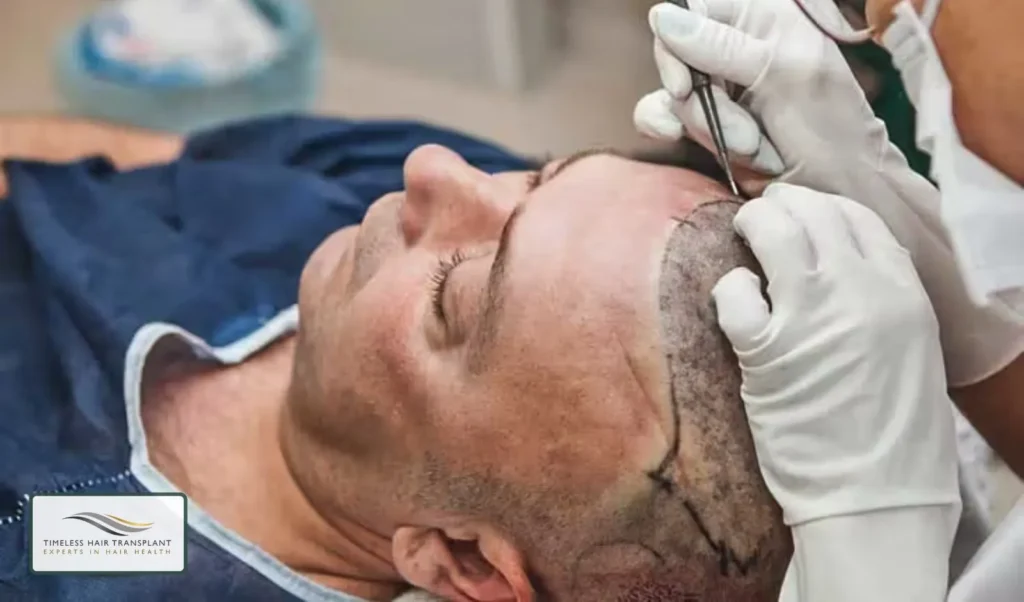
A hair transplant is a type of hair restoration surgery. It involves taking healthy hair follicles from a “donor area” (usually the back or sides of your scalp) and transplanting them into bald or thinning areas. These transplanted hair follicles are expected to grow naturally over time.
There are two main types of hair transplant surgery:
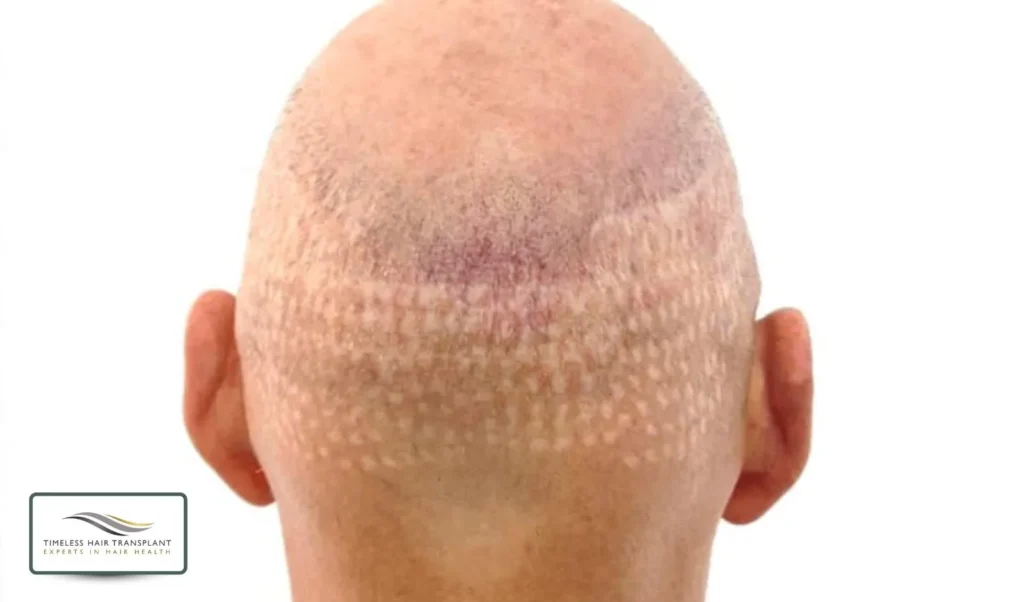
- FUE (Follicular Unit Extraction): Individual hair grafts are extracted and placed into the scalp.
- FUT (Follicular Unit Transplant): A small strip of scalp is removed and divided into transplant grafts.
When done by experienced hair transplant surgeons, these methods have high success rates. But when things go wrong, the results can include failed hair, poor growth, or visible scarring.
What Happens If a Hair Transplant Fails?
A failed hair transplant means the procedure did not deliver the expected hair transplant result. This could mean the transplanted hair follicles did not survive, hair growth is patchy, or the overall appearance is unnatural.
Here’s what can happen:
- No or Limited Hair Growth
After a successful hair transplant operation, new hair usually begins to grow within 3 to 6 months. If there’s little or no growth after this time, it may indicate a problem with the grafts. - Uneven or Patchy Hair
A bad hair transplant often results in hair that looks uneven, thin, or poorly placed. This could happen due to poor planning, improper graft placement, or insufficient donor hair. - Graft Rejection or Damage
Transplant grafts are delicate. If not handled properly during surgery or if the scalp doesn’t heal correctly post operation, the body might reject the grafts. This leads to permanent loss of the transplanted hair. - Visible Scarring
While some scarring is normal, excessive or noticeable scars may occur when the surgery is not performed correctly, especially with FUT. - Infection or Inflammation
Improper hygiene or aftercare can lead to infections in the donor area or transplant sites. This may delay healing and affect the final hair transplant result.
How to Know If a Hair Transplant Failed
The most common signs of hair transplant failure include:
- No visible growth after 6-9 months
- Redness, itching, or swelling that doesn’t go away
- Hair falling out from the transplanted area beyond the normal shedding phase
- Lack of density or coverage in the treated areas
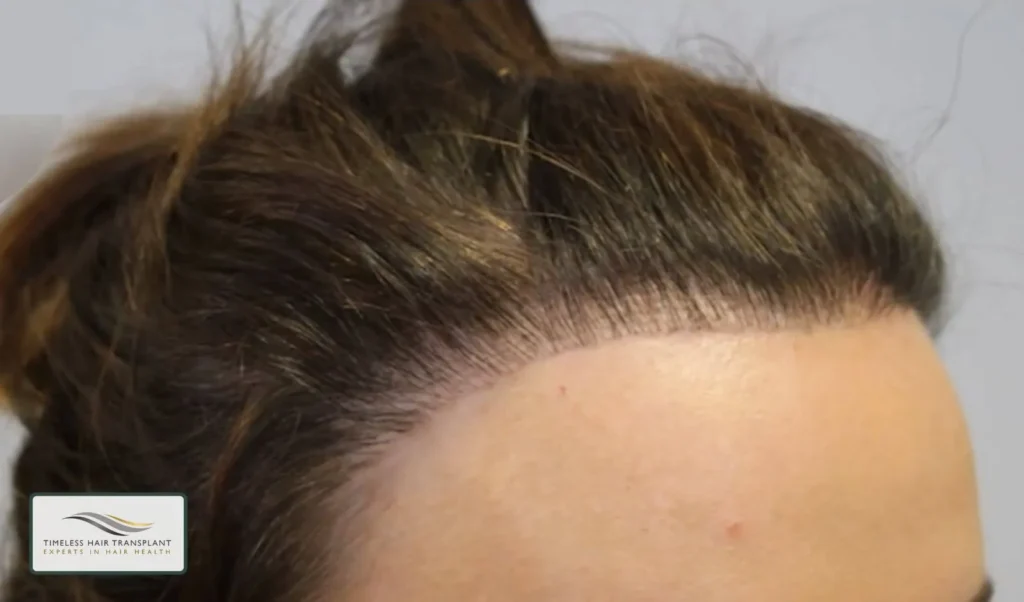
- Unnatural hairline or poor angle of growth
- Continued hair loss in surrounding untreated areas
If you notice any of these issues, contact your hair transplant clinic for an assessment.
Why Hair Transplants Fail
Hair transplant failure can be caused by a number of reasons, including:
- Inexperienced Surgeons
Choosing a clinic with poorly trained or unqualified surgeons is one of the biggest risks. Hair transplant surgery requires precision, planning, and an artistic approach. - Poor Candidate for Surgery
If you have advanced hair loss or poor donor hair quality, you may not be a good candidate for the procedure. - Poor Graft Handling
Hair grafts are sensitive. If they’re exposed to heat, dry air, or pressure during extraction and implantation, they may not survive. - Improper Aftercare
Neglecting aftercare instructions, scratching the scalp, or returning to exercise too soon can cause graft rejection and slow down recovery. - Medical Conditions
Underlying health problems, such as autoimmune disorders or scalp infections, can negatively affect healing and hair growth.
How to Fix a Failed Hair Transplant
If you suspect you’ve experienced a failed hair transplant, don’t panic. There are still ways to improve your results:
✔ Revision Surgery
If you have enough remaining donor hair, a second hair transplant procedure can correct density and restore a natural look.
✔ PRP Therapy
Platelet-Rich Plasma (PRP) treatments may help support hair follicle health and stimulate growth in areas with weak results, although PRP therapy is not FDA-approved for treating hair loss.
✔ Scalp Micropigmentation
This non-surgical option can cover up thin or patchy areas using tiny pigment dots that mimic natural hair.
✔ Medication
Topical treatments like minoxidil or oral medications like finasteride may help slow down hair loss and boost the success of transplanted hair follicles.
Tips to Avoid Hair Transplant Failure
To prevent a bad hair transplant and increase your chances of a successful outcome:
- Choose an experienced and licensed hair transplant surgeon.
- Understand your options: FUE (Follicular Unit Extraction) vs. FUT (Follicular Unit Transplant), and the pros and cons of each.
- Be honest about your medical history and hair loss pattern.
- Follow all post-op instructions carefully.
- Avoid smoking, scratching, or vigorous activity after surgery.
Why Choose Timeless Hair Transplant?
At Timeless Hair Transplant, we’re dedicated to helping patients achieve natural, lasting results, even if they’ve experienced a failed procedure in the past. Led by Dr. Luciano Sciacca, the clinic specialises in both FUE and FUT, with careful graft handling, honest consultations, and clear post-operation guidance to ensure the best possible outcome.
A hair transplant failure, whether due to poor growth, graft rejection, or unsatisfactory cosmetic results, doesn’t mean the end of your journey. With the right expertise and a personalised care plan, many patients successfully restore their hair and confidence the second time around.
Don’t settle for less than the results you deserve. Call +441895248415 today and let Timeless Hair Transplant turn your failed transplant into a fresh start.
Frequently Asked Questions
Can a failed hair transplant grow back?
Some transplanted follicles may begin producing hair later than expected. However, follicles that have been permanently damaged or lost will not regrow. A surgeon can assess whether further growth is possible.
How long should I wait before fixing a failed hair transplant?
Revision surgery is generally considered after the scalp has healed and results have developed, often around 12 months. Your surgeon can recommend the appropriate timing.
Can I use the same donor area for a second hair transplant?
Yes, the same donor area may be used if enough healthy follicles remain. A surgeon must assess the available donor hair before recommending another procedure.
Is it normal to have gaps after a hair transplant?
Yes, uneven growth can occur during the early recovery months as follicles enter different growth cycles. Persistent gaps after the expected growth period may require assessment.
Can a failed hair transplant leave permanent scars?
Yes, hair transplant surgery can leave permanent scars, particularly if complications occur. Their visibility depends on the technique, healing, and individual skin characteristics.