

Quick Answer
How does FUE hair transplant work?
An FUE hair transplant works by extracting individual follicular units from a healthy donor area, usually the back or sides of the scalp, and implanting them into thinning or balding areas. The procedure uses a small punch tool under local anaesthetic and does not require removing a strip of scalp. Transplanted hair typically begins growing within 3 to 4 months, with results developing gradually over the following months.
Key Takeaways
- FUE extracts and transplants individual follicular units.
- The procedure involves graft extraction, implantation, and aftercare.
- Local anaesthetic helps minimise discomfort during surgery.
- FUE leaves small dot-like scars instead of a linear scar.
- Initial recovery takes several days, depending on healing.
- New hair growth begins around 3 to 4 months, with fuller results after 9 to 12 months or longer.
- Proper aftercare helps protect transplanted follicles.
If you’re experiencing hair loss and exploring solutions, you may have come across the term FUE hair transplant. But how does this method actually work from start to finish, and what makes it different from other types of hair transplants such as FUT hair transplants? Most importantly, can it truly restore a natural hairline and help you regain confidence?
This guide explains the Follicular Unit Extraction (FUE) hair transplant procedure step by step, compares it with FUT, outlines the recovery process, and highlights possible side effects. Understanding how FUE hair transplant is done will give you realistic expectations and show you why so many patients worldwide choose this minimally invasive technique for lasting hair restoration.
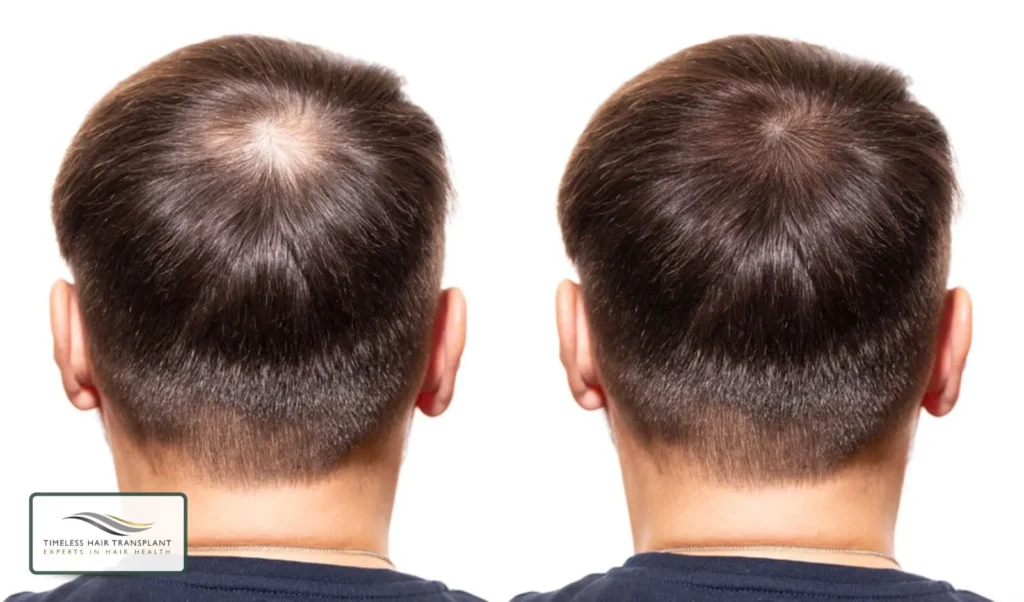
What Is a FUE Hair Transplant?
FUE stands for Follicular Unit Extraction. It’s one of the most advanced and popular techniques in modern hair transplant surgery. In this method, individual follicular units, each containing 1-4 hair follicles, are extracted directly from the donor area (usually the back or sides of the scalp) and transplanted into the recipient area, which may be thinning or completely bald.
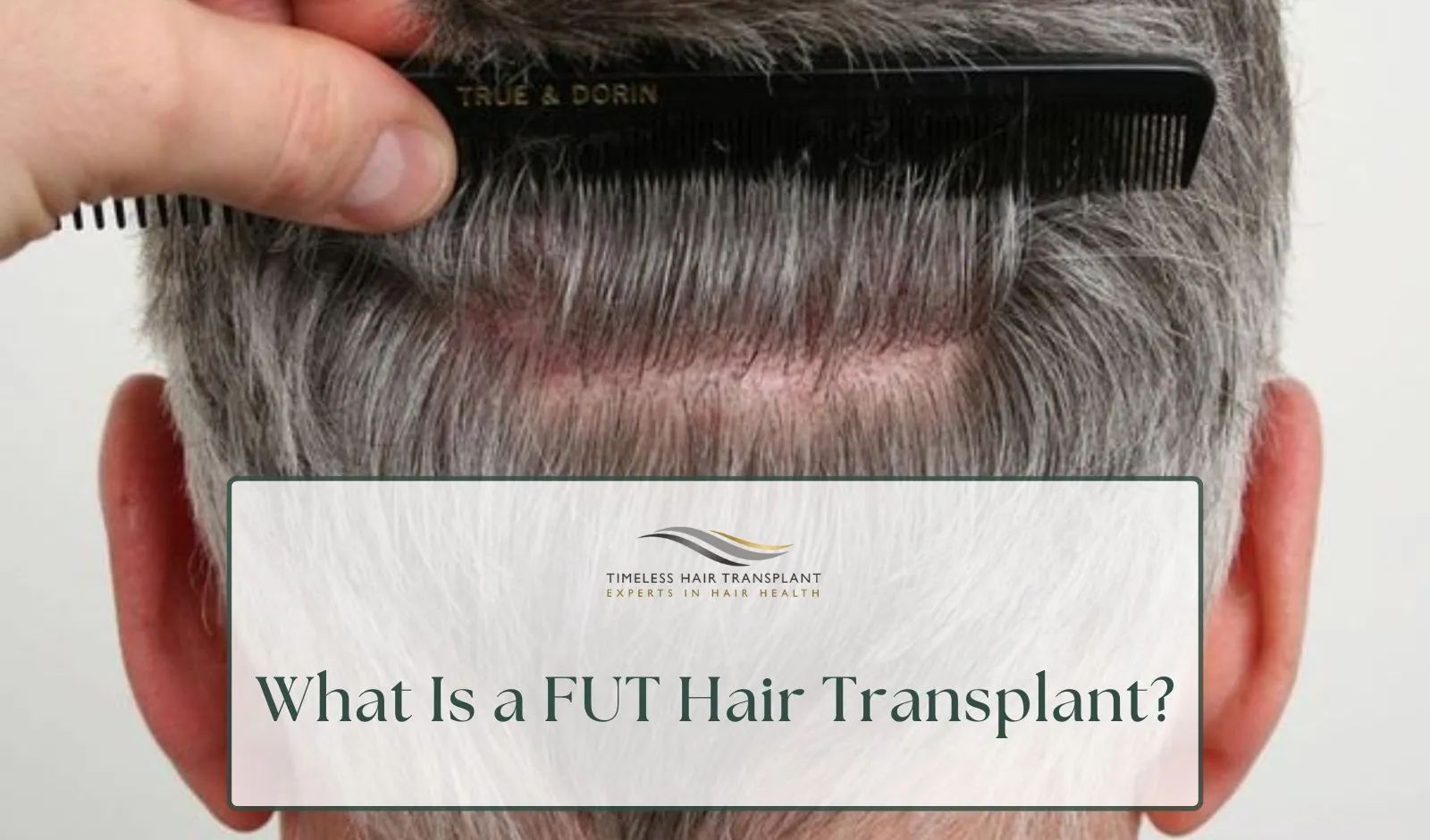
Unlike Follicular Unit Transplantation (FUT), which involves removing a strip of scalp and dissecting it into smaller hair grafts, FUE removes individual hair follicles using a tiny punch device, often less than 1mm in diameter. This means no large scar, faster recovery, and more flexibility with short hairstyles.
Why People Choose FUE Over FUT
Both FUE and FUT hair transplants have high success rates when performed by a skilled hair transplant surgeon. However, the main reasons many people opt for FUE include:
- No linear scar – The small extraction points heal quickly and are nearly invisible.
- Faster recovery – Most patients can return to light work within days.
- Minimally invasive – Less discomfort during and after the procedure.
- Natural results – The surgeon can place grafts with precision to match your natural growth pattern.
That said, FUT can be more cost-effective for patients who need a large number of grafts in a single session. The best choice depends on your hair loss pattern, donor hair availability, and personal preferences.
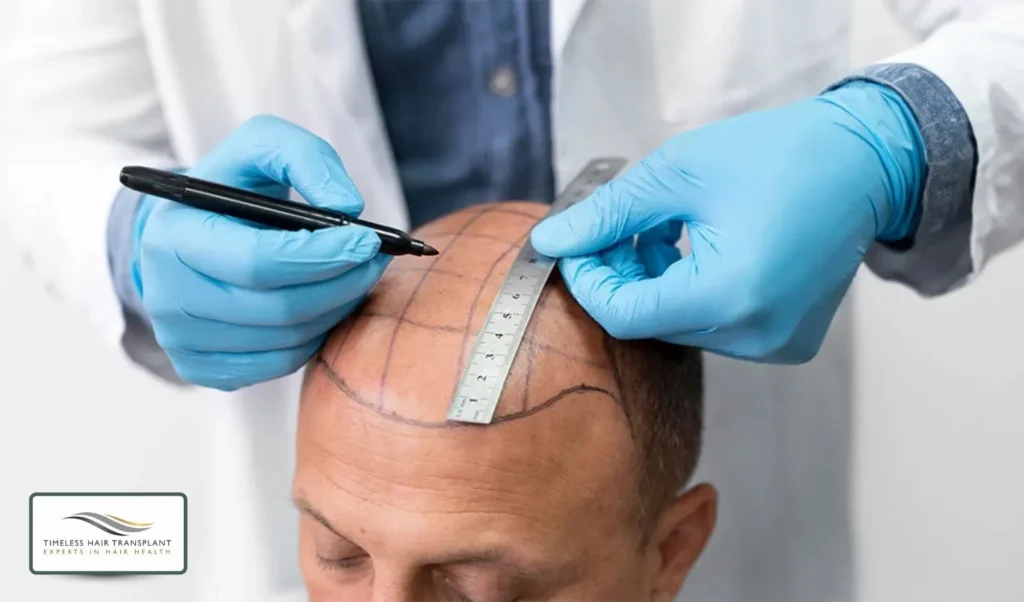
Step-by-Step: How the FUE Hair Transplant Procedure Works
Here’s what happens before, during, and after your FUE procedure.
Step 1: Consultation and Assessment
Every successful hair transplant work begins with a detailed consultation. Your surgeon will:
- Examine your hair loss pattern
- Assess your donor area for healthy hair follicles
- Estimate how many hair grafts are needed
- Discuss the expected hair transplant cost
- Explain realistic hair growth timelines
This stage is crucial for creating a personalised surgical plan.
Step 2: Preparation
On the day of surgery:
- Your scalp is cleaned and trimmed.
- Local anaesthetic is applied to both donor and recipient areas.
- You’ll be awake but comfortable throughout the process.
Step 3: Extraction of Individual Follicles
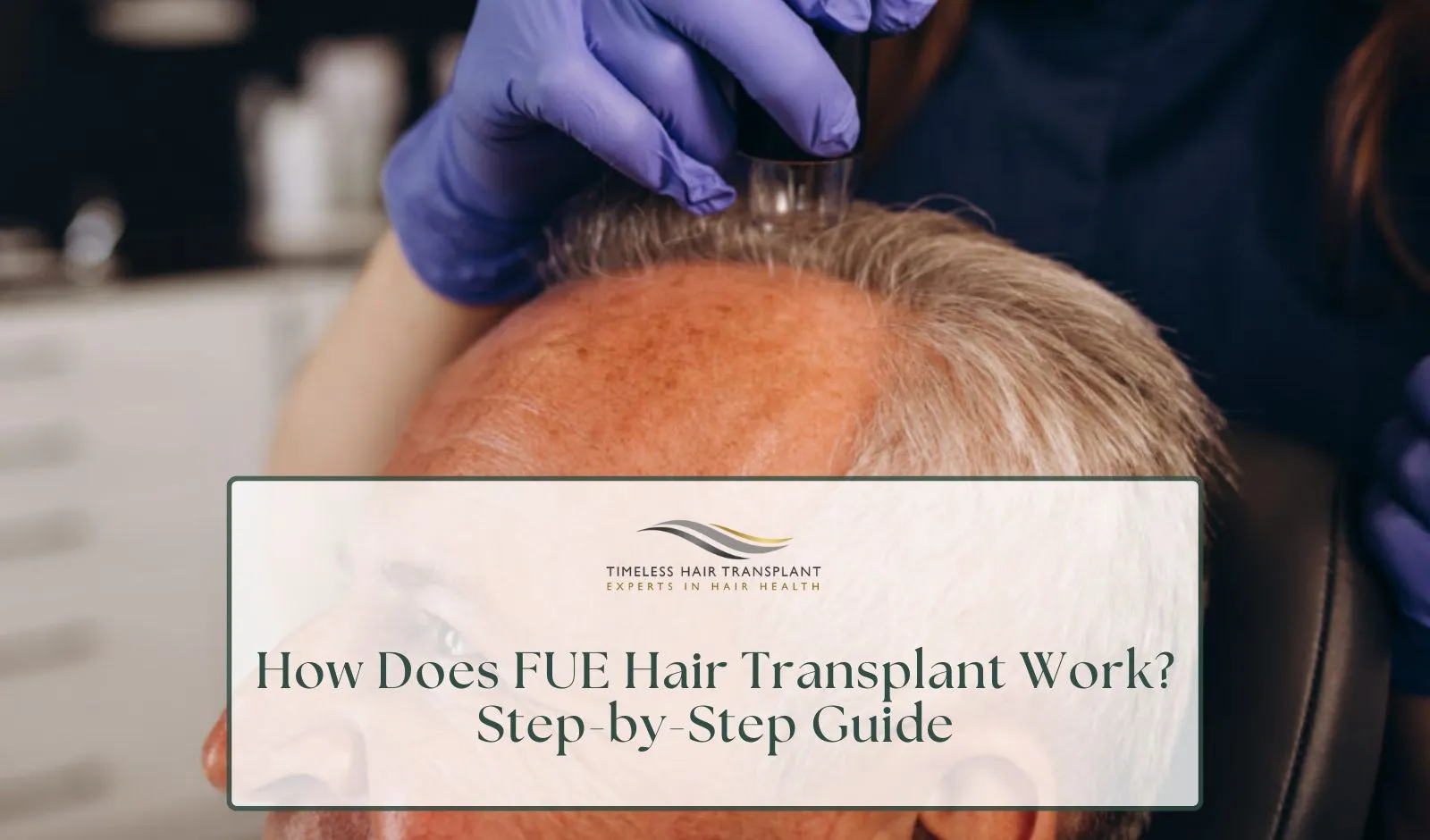
Using a micro-punch tool, the surgeon extracts individual hair follicles from the donor area. Each follicular unit is carefully removed to avoid damage. The extracted grafts are immediately preserved in a cooling solution to keep them healthy before implantation.
Step 4: Preparing the Recipient Area
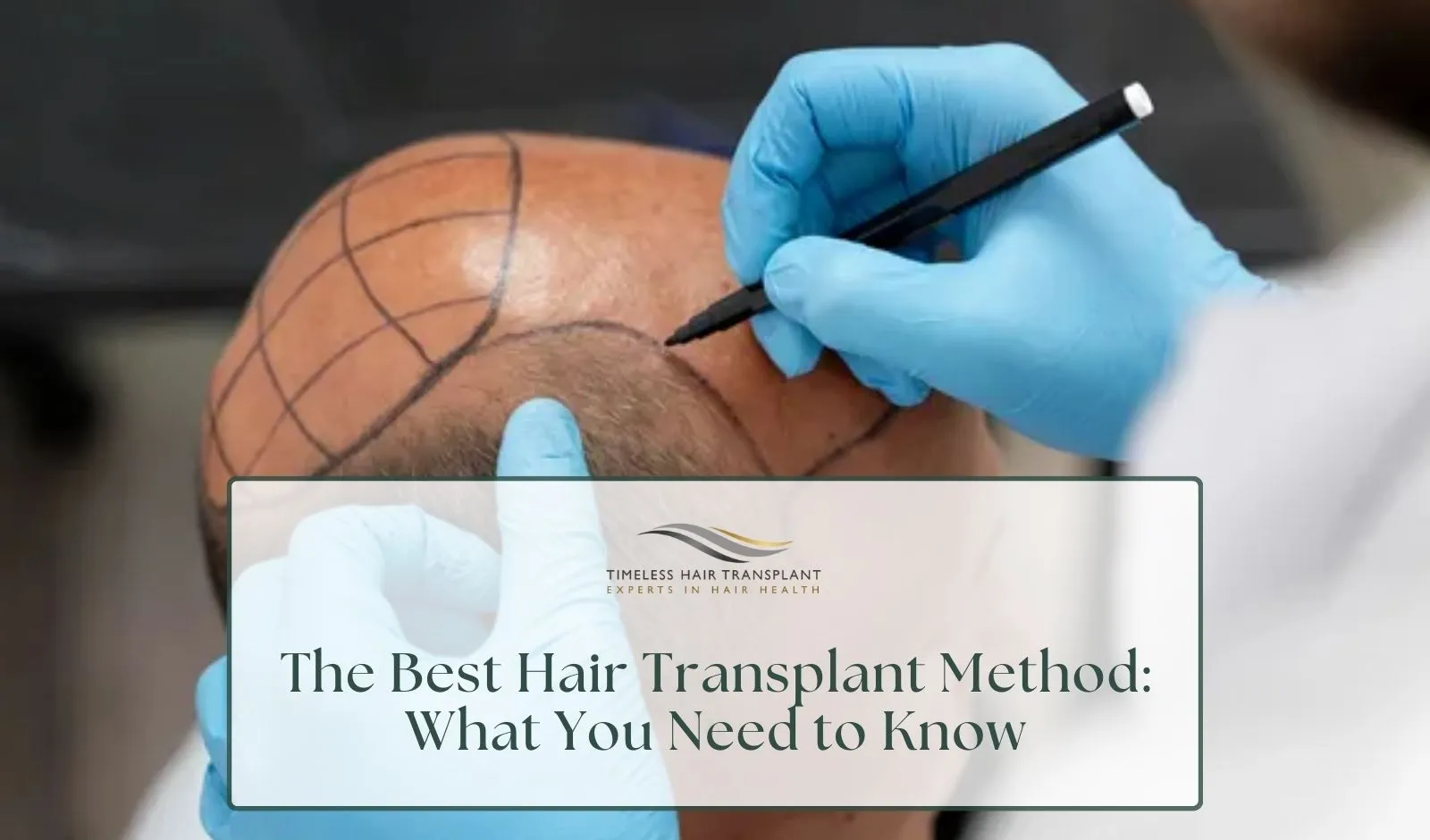
Tiny incisions are made in the recipient area following your natural hairline and growth direction. The angle, depth, and spacing are planned meticulously to ensure your transplanted hair blends seamlessly with existing strands.
Step 5: Implantation of Grafts
The preserved hair grafts are inserted one by one into the prepared sites. The process is slow and precise to guarantee natural results and high survival rates for each follicle.
Step 6: Post Operation Care
After the hair transplant surgery, you’ll receive detailed instructions for the recovery phase, including:
- How to clean your scalp
- When you can wear a hat
- Activities to avoid (like strenuous exercise or contact sports)
- How to protect the donor area and prevent dislodging hair grafts
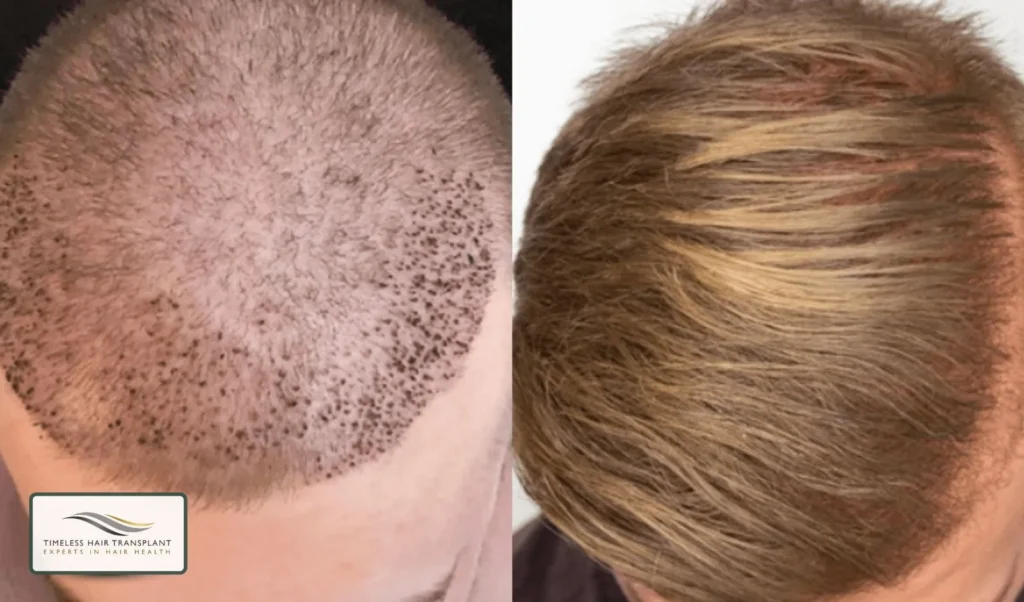
Recovery Timeline for an FUE Hair Transplant
Here’s what you can expect after your procedure:
- Days 1-3: Mild swelling, redness, and tenderness in both donor and recipient areas. Avoid touching your scalp.
- Week 1: Small scabs form around each graft and naturally fall off.
- Weeks 2-3: Redness fades, and you may notice some shedding of transplanted hair; this is a normal part of the cycle.
- 3-4 Months: New hair growth begins.
- 6-12 Months: Significant improvements in density and coverage.
- 12+ Months: Full, final results of your hair restoration.
Potential Side Effects of FUE Hair Transplants
Like any surgical procedure, FUE comes with possible side effects. Most are temporary and resolve within days or weeks:
- Mild swelling or redness
- Temporary numbness in the donor or recipient area
- Itching as the scalp heals
- Minor crusting around graft sites
Severe complications are rare when the surgery is done by an experienced hair transplant surgeon.
Does FUE Really Work?
Yes. When performed by a qualified specialist, FUE has a high success rate, often above 90%. The key factors for a good hair transplant result include:
- Quality of your donor hair
- Skill and precision of the surgeon
- Following post-op care instructions
- Realistic expectations about density and coverage
Hair Transplant Cost: What to Expect
Hair transplant cost varies depending on:
- Number of grafts needed
- Clinic location and reputation
- Surgeon’s experience
- Whether you choose FUE or FUT
While FUE may cost more per graft than FUT, many patients find the faster recovery, lack of a linear scar, and flexibility with hairstyles worth the investment.
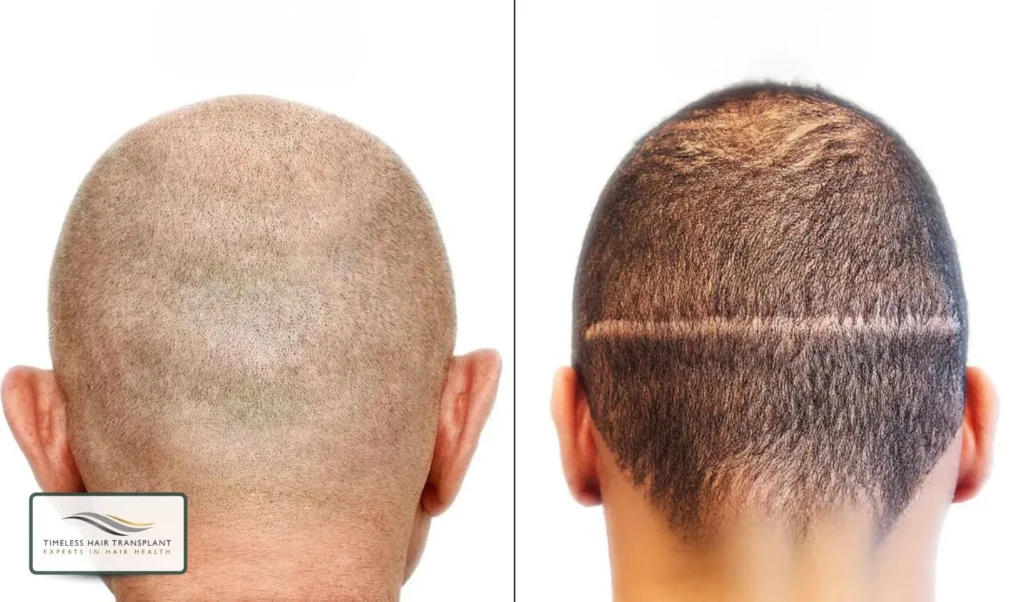
FUE vs. FUT: Which Is Right for You?
FUE is best suited for patients who:
- Prefer a minimally invasive approach
- Want to avoid visible scarring
- Need fewer grafts or want to spread procedures over time
FUT may be better if you:
- Require a large number of grafts in one session
- Are less concerned about a linear scar
- Want a more cost-effective option for extensive male pattern baldness
How to Maximise Your Hair Growth After FUE
- Avoid strenuous exercise for the first few weeks
- Keep your scalp clean and follow all aftercare instructions
- Protect your head from sun exposure
- Avoid scratching, rubbing, or picking at scabs
- Stay hydrated and maintain a balanced diet to support healing
Final Thoughts
Understanding how FUE hair transplant works can help you make an informed decision about hair restoration. From extracting individual follicular units to carefully placing grafts in thinning areas, each stage of the procedure plays an important role in achieving natural-looking results.
Although FUE generally offers faster initial recovery and less noticeable scarring than FUT, results depend on donor hair quality, surgical technique, and proper aftercare. Consulting an experienced hair transplant surgeon can help you determine whether FUE is suitable for your hair loss concerns and long-term goals.
Start Your Hair Restoration Journey
At Timeless Hair Transplant, Dr. Luciano Sciacca provides personalised FUE and FUT treatment plans based on your hair loss concerns and restoration goals.
Call +44 18 9524 8415 today to book your free consultation.
Frequently Asked Questions
Do I need to shave my head before an FUE hair transplant?
Not always. Some FUE procedures require shaving the donor area, while others may allow partial shaving. Your surgeon will recommend the best approach based on your treatment plan.
Can FUE hair transplants be performed on women?
Yes. FUE can be suitable for women experiencing certain types of hair loss, provided they have sufficient healthy donor hair. A consultation helps determine whether surgery is appropriate.
Can I have another FUE hair transplant in the future?
Yes, a second FUE procedure may be possible if you have enough healthy donor follicles remaining. Your surgeon will assess your previous results and future hair restoration needs.
Will my existing hair continue to thin after an FUE transplant?
Yes. FUE restores hair in treated areas but does not stop ongoing hair loss in surrounding natural hair. Your surgeon may discuss treatments to help manage further thinning.
Can FUE be used to repair an unsuccessful hair transplant?
In some cases, FUE can help improve uneven density, unnatural hairlines, or areas affected by previous surgery. Treatment depends on donor hair availability, scalp condition, and the results of the earlier procedure.