

Quick Answer
What is the best hair transplant method?
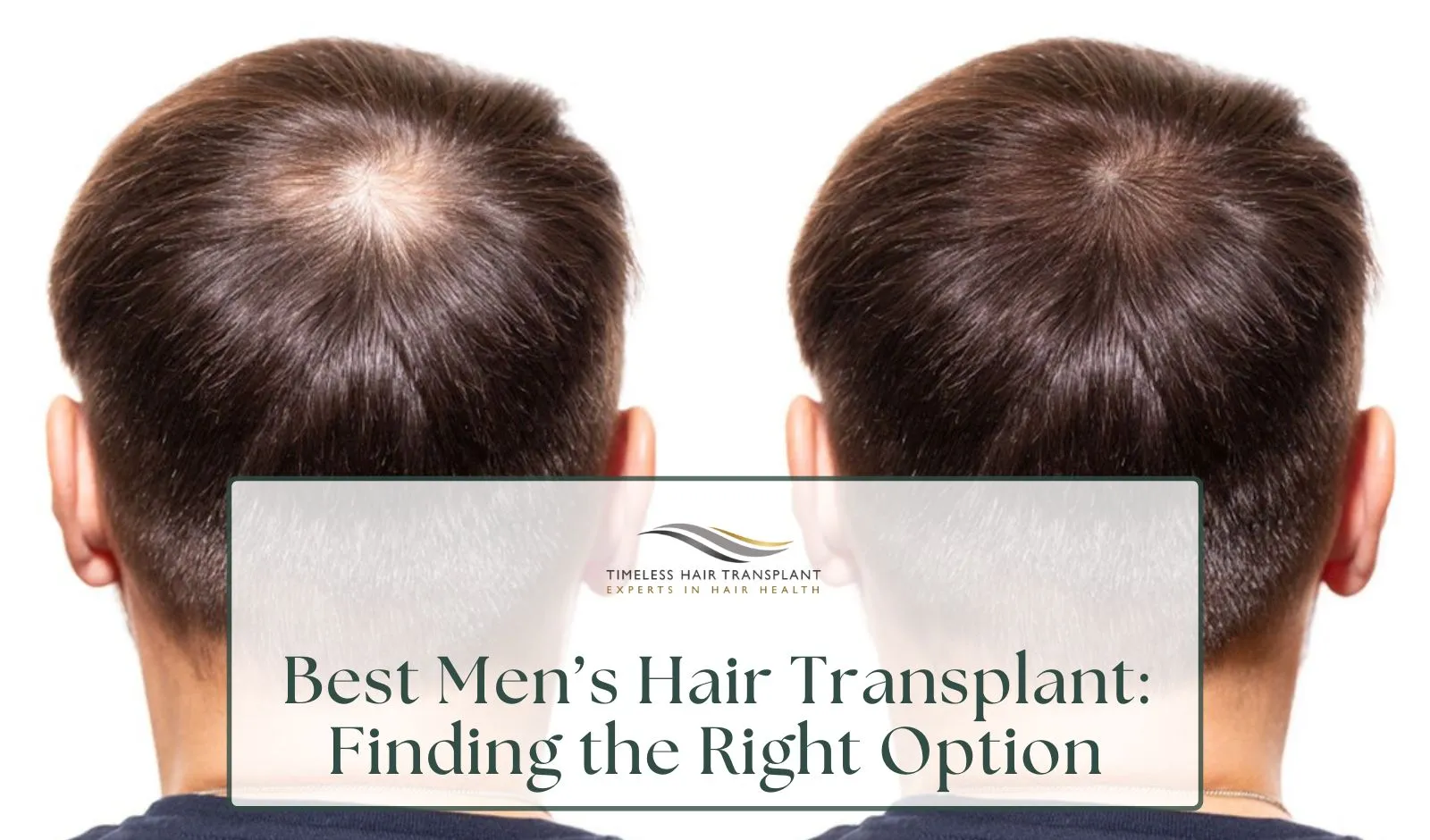
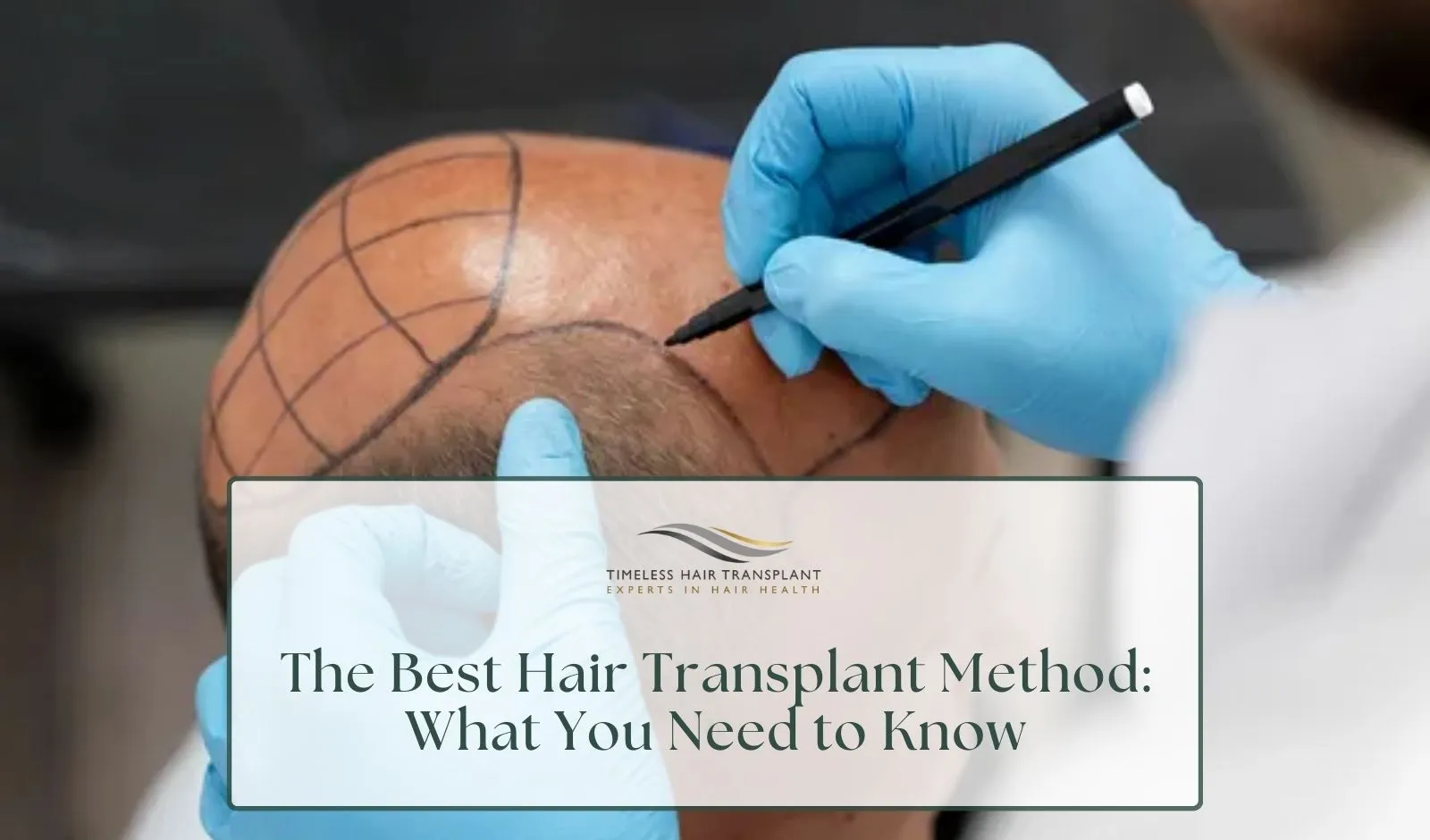
The best hair transplant method depends on your level of hair loss, donor hair availability, and long-term goals. For many patients, an FUE Hair Transplant is preferred because it is minimally invasive and offers quicker recovery. However, an FUT Hair Transplant may be more suitable for patients who require a higher number of grafts in one session.
Key Takeaway
- The best hair transplant method depends on individual hair loss patterns
- FUE Hair Transplant is minimally invasive and leaves no linear scar
- FUT Hair Transplant can provide a higher graft yield in one procedure
- Donor supply and long-term planning determine the right method
- A professional consultation is essential before choosing
Choosing a hair transplant technique can feel overwhelming, especially with different options available. Each method offers distinct advantages, and the right choice depends on your hair characteristics, the extent of thinning, and your expectations for recovery and results.
Learning how each procedure works and understanding what suits your situation best can help you move forward with clarity and confidence.
Understanding the Two Main Hair Transplant Methods
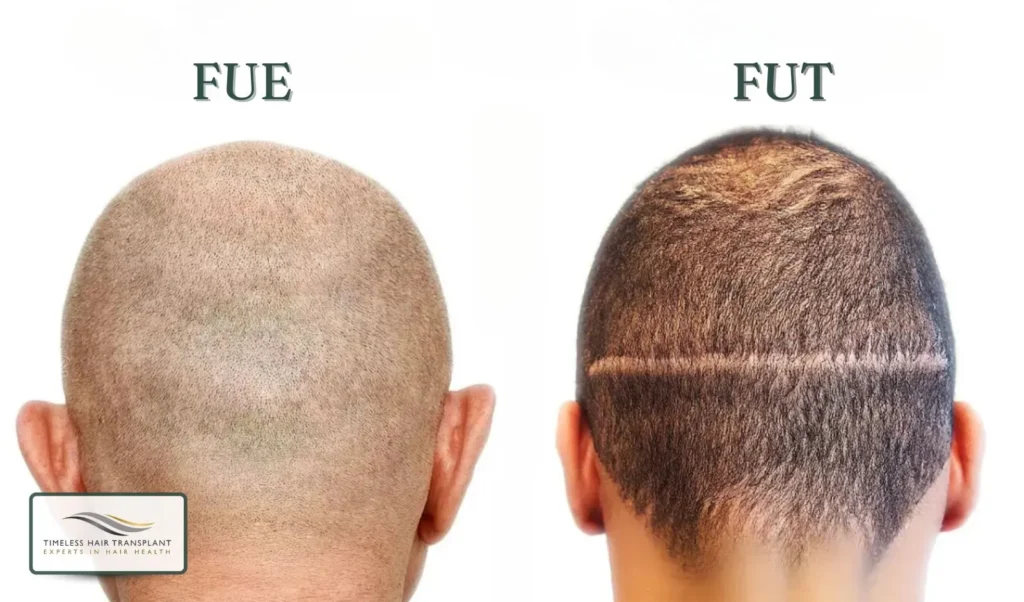
Modern hair restoration primarily involves two techniques: FUE Hair Transplant and FUT Hair Transplant. Both procedures relocate healthy hair follicles from a donor area to thinning or balding areas of the scalp. The main difference lies in how the donor hair is extracted.
FUE Hair Transplant
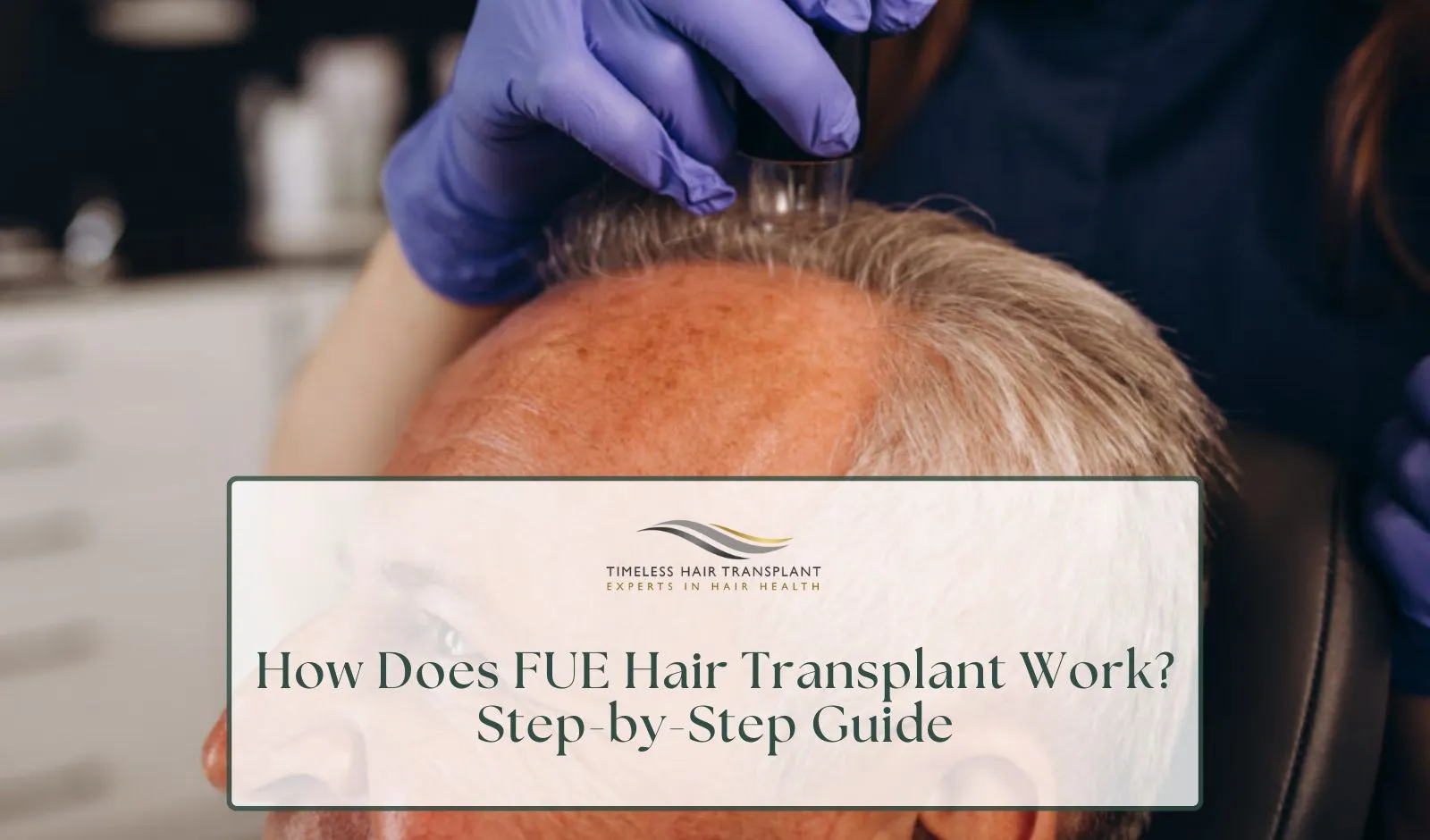
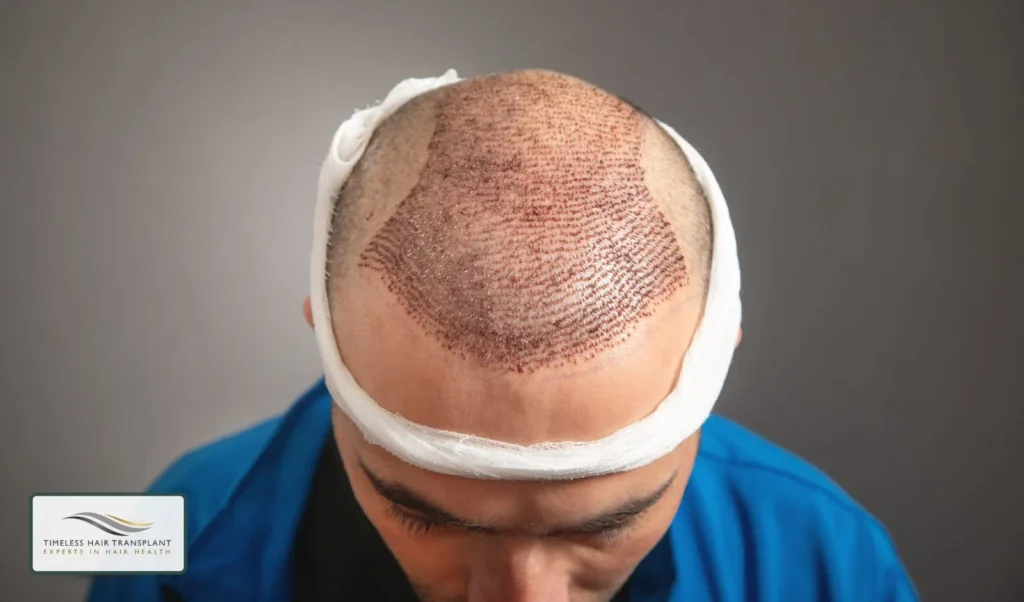
An FUE Hair Transplant involves extracting individual hair follicles directly from the donor area, typically the back or sides of the scalp. These follicles are then carefully implanted into recipient areas.
Benefits of FUE:
- Minimally invasive procedure
- No linear scar
- Faster healing time
- Suitable for patients who prefer shorter hairstyles
Because FUE does not require stitches, many patients resume normal activities relatively quickly. It is often recommended for individuals seeking a discreet recovery period.
However, patients with extensive hair loss may require multiple sessions to achieve full coverage.
FUT Hair Transplant
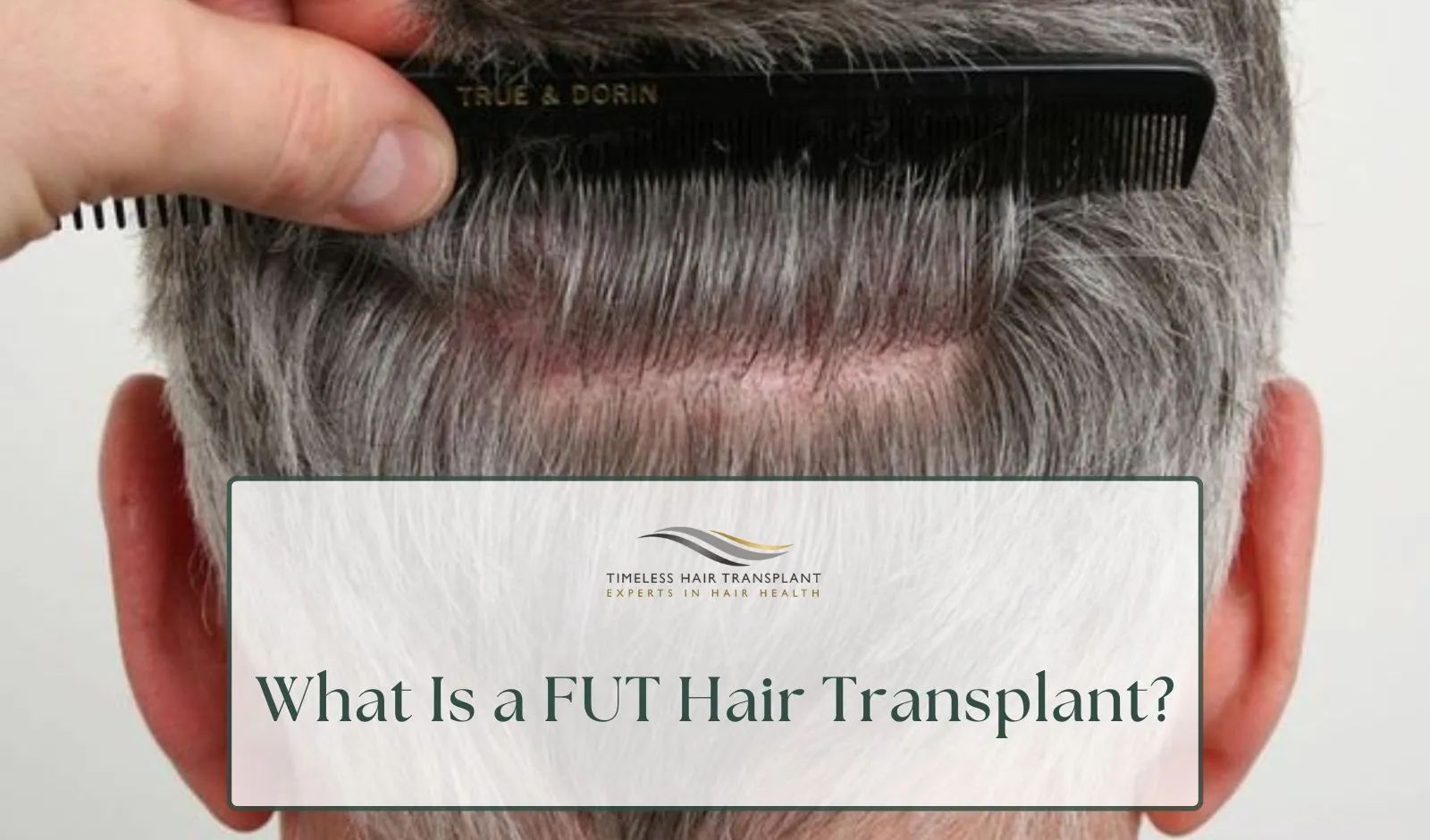
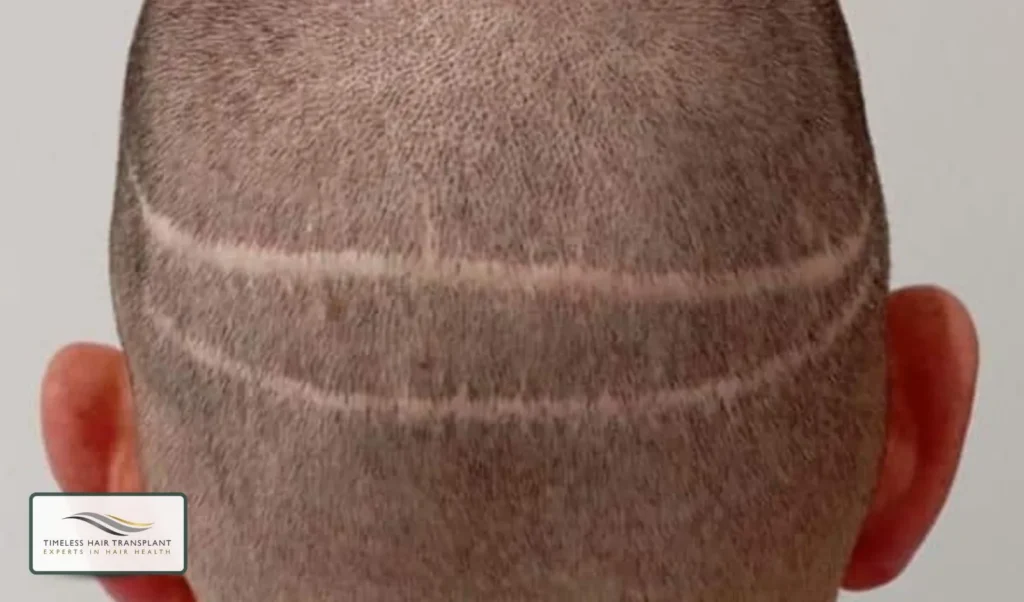
An FUT Hair Transplant, sometimes referred to as strip surgery, involves removing a small strip of scalp from the donor area. The strip is then divided into individual grafts before being transplanted into thinning areas.
Benefits of FUT:
- Higher graft yield in one session
- Efficient for advanced hair loss
- Often more cost-effective for large procedures
FUT may be recommended for patients who require significant coverage in a single procedure. Although it leaves a linear scar, it is usually concealed beneath surrounding hair.
What Determines the Best Method for You
Several factors influence which approach may be most appropriate:
Extent of Hair Loss
Patients with mild thinning may benefit from FUE, while those with more advanced hair loss may require FUT to maximise graft numbers.
Donor Hair Density
A strong and stable donor area allows greater flexibility in choosing between techniques.
Recovery Preferences
If avoiding a linear scar is important, FUE may be preferred. If maximising graft numbers in one session is a priority, FUT may be suitable.
Long-Term Planning
Hair loss can progress over time. A carefully designed strategy ensures your results remain balanced and natural in the future.
There is no universal solution. The most effective method is the one tailored to your scalp condition and long-term goals.
Are Results Different Between FUE and FUT
Both FUE Hair Transplant and FUT Hair Transplant can produce natural-looking results when performed by an experienced surgeon. The appearance of the outcome depends more on hairline design, graft placement, and surgical precision than on the extraction method itself.
Patients often focus on the technique, but artistry and planning are equally important for achieving a natural result.
Final Thoughts
If you’re wondering what is the best method of hair transplant for your needs, the answer is different for everyone. While FUE Hair Transplant offers a minimally invasive approach with quicker recovery, FUT Hair Transplant may be better suited for patients requiring a higher number of grafts in a single session.
A personalised assessment helps ensure your treatment plan aligns with your level of hair loss, donor supply, and long-term expectations.
Start Your Consultation With Expert Guidance
If you are considering hair restoration and want to understand which method suits you best, professional evaluation is essential. Timeless Hair Transplant provides personalised consultations to assess your donor area and recommend the most appropriate treatment approach.
Call +441895248415 or book a free consultation today to explore your hair restoration options with confidence.
Frequently Asked Questions
Can I have a hair transplant if I have very little donor hair?
It depends on your remaining donor supply. Your surgeon will assess whether enough healthy follicles are available for safe transplantation.
Is FUE or DHI better for my hair transplant?
Neither is automatically better. FUE describes follicle extraction, while DHI typically refers to implantation using an implanter pen. The best approach depends on your treatment needs.
Can I combine FUE and FUT in one hair restoration plan?
Yes. Some patients may benefit from both techniques, either together or in separate sessions, depending on donor availability and treatment goals.
Does a hair transplant require general anaesthesia?
No. Most FUE and FUT procedures use local anaesthetic, allowing patients to remain awake during surgery.
Can I have another hair transplant if my hair loss continues?
Yes, if sufficient donor hair remains. Your surgeon will assess your existing results and future hair loss before recommending another procedure.
Can a hair transplant work for women?
Yes. Women with suitable hair loss patterns and adequate donor hair may be candidates for FUE or FUT transplantation.
Can I switch from FUT to FUE for a second hair transplant?
Yes. Some patients undergo FUE after a previous FUT procedure. Suitability depends on donor density, scalp condition, and previous graft extraction.