

Quick Answer
Is a hair transplant painful?
Most patients experience little discomfort during a hair transplant because the scalp is numbed with local anaesthetic. You may feel a brief sting during the injections and mild soreness, tightness, or tenderness during recovery.
Key Takeaways
- Local anaesthetic helps minimise discomfort during a hair transplant.
- You may feel a brief sting when the anaesthetic is administered.
- Mild soreness, swelling, or tightness can occur after treatment.
- FUE may involve less donor-area discomfort than FUT.
- Discomfort usually improves as the scalp heals.
- Recovery and pain levels vary from person to person.
If you’re considering a hair transplant, one of the first things that may come to mind is whether the procedure is painful. This is a very common concern, and many patients feel anxious about the idea of surgery before they learn what’s really involved. The good news is that with today’s advanced techniques and proper care, most people find the process far more comfortable than they expected.
In this guide, we’ll explain what happens during a typical hair transplant procedure, how discomfort is managed with local anaesthetic, and what mild side effects you might experience afterward. We’ll also share how trusted clinics like Timeless Hair Transplant focus on patient comfort at every stage, so you can feel confident and at ease throughout your journey.
What Happens During a Hair Transplant?
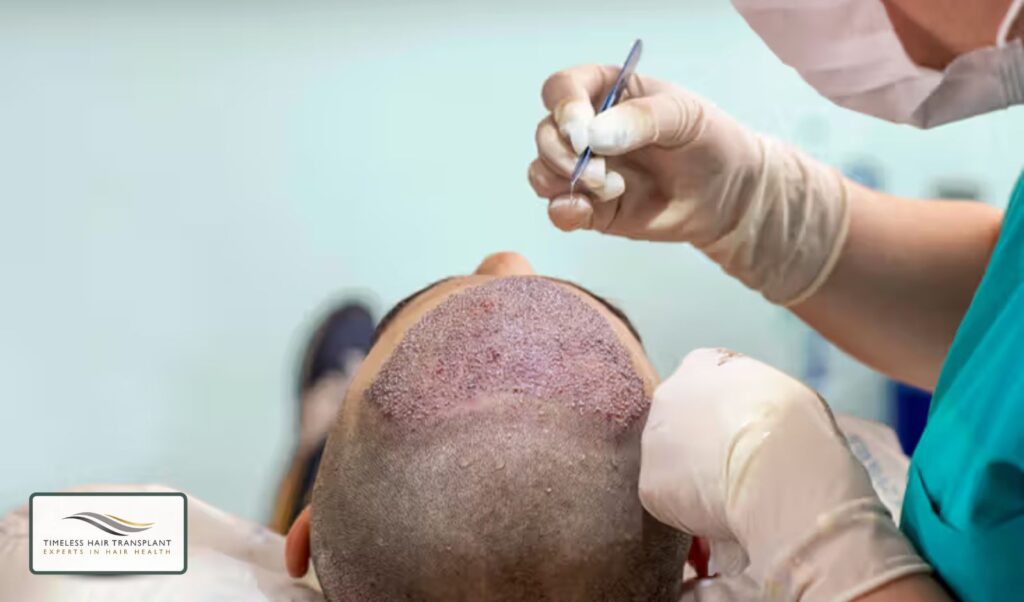
A hair transplant surgery is a medical procedure where healthy hair is taken from one part of your scalp (called the donor area) and moved to an area with thinning or no hair. The goal is to restore natural hair growth in areas affected by hair loss.There are two primary types of hair transplantation used today:
FUE (Follicular Unit Extraction)
In the FUE hair transplant procedure, individual hair follicles are carefully extracted from the donor site using a tiny punch tool. These follicles are then implanted into the thinning or balding areas of the scalp. This method is less invasive and typically heals faster.
FUT (Follicular Unit Transplantation)
With FUT hair transplants, a strip of skin is taken from the donor area, and the strip is divided into smaller grafts, each containing individual hair follicles. These hair grafts are then placed in the recipient areas.Both methods are safe and provide long-term hair transplant results, but the technique used depends on your specific needs and the recommendation of your surgeon.But what about the pain?
Is a Hair Transplant Painful?
The short answer is no. Most people do not find the transplant painful. In fact, patients report the experience as surprisingly pain free.
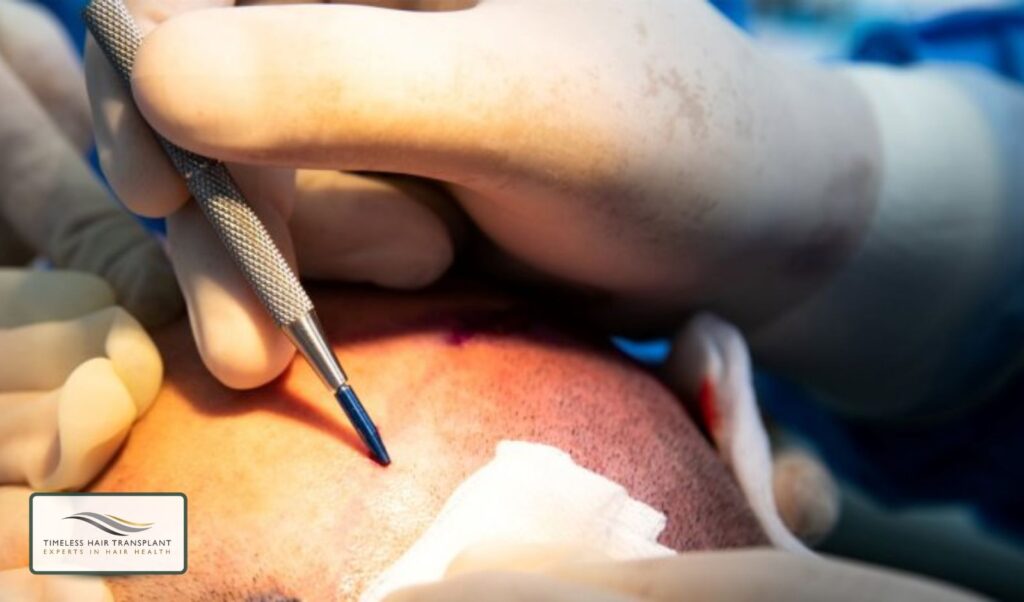
Hair transplants are performed under local anesthesia, meaning the treated area is completely numb. You’ll stay awake during the procedure, but you won’t feel any pain. At most, you may notice some pressure or slight tugging sensations.
During the Procedure:
- A quick pinch from the numbing injection (similar to a dental visit)
- No pain during removal or placement of hair grafts
- You can relax, listen to music, or watch a movie
After the Procedure:
- Mild soreness or tightness in the donor site and recipient area
- Some swelling or redness for a few days
- Most patients say it’s less uncomfortable than expected
How Painful Is Hair Transplant Surgery Compared to Other Procedures?
Many patients wonder, “Is hair transplant surgery painful?” The reassuring answer is that hair transplants are generally considered less painful than many other cosmetic or dental treatments. With the use of modern tools and the expertise of skilled surgeons, the entire process is designed to be as comfortable and low-stress as possible.
While pain tolerance can vary from person to person, most patients describe the experience as only mildly uncomfortable at worst, especially when compared to other surgical procedures.
What About Recovery?
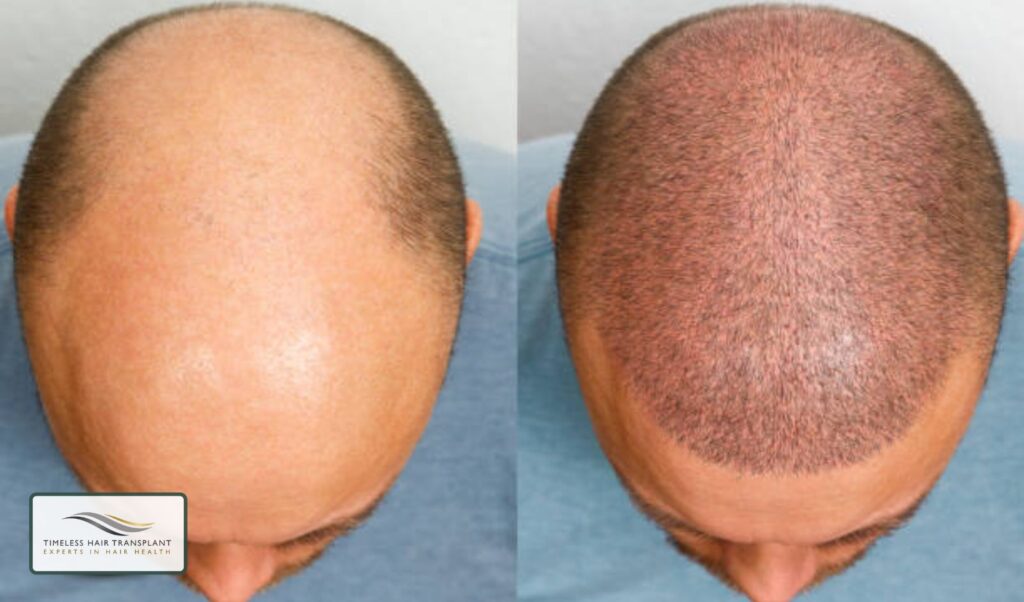
Recovery from a hair transplant surgery is usually simple and manageable. Here’s what most people experience post hair transplant:
- Days 1-3: Mild soreness or itching. Avoid touching or scratching the scalp.
- Days 4-7: Small scabs may form and naturally fall off.
- Week 2 and beyond: Healing continues, and discomfort fades.
Most people are back at work or school within 2 to 5 days. Your surgeon will give you clear aftercare instructions, including how to wash your scalp, sleep safely, and protect your transplanted hair.
How Timeless Hair Transplant Minimises Discomfort
At Timeless Hair Transplant, Dr. Luciano Sciacca and our team use local anaesthetic and modern FUE and FUT techniques to help minimise discomfort throughout treatment. We also provide personalised aftercare and follow-up guidance to support a comfortable recovery.
Final Thoughts
Concerns about pain should not stop you from exploring whether a hair transplant is right for you. Speaking with an experienced surgeon can help you understand the procedure, discuss your concerns, and decide whether treatment suits your needs.
If you’re considering hair restoration, Timeless Hair Transplant can provide a personalised assessment and treatment recommendations. Call +44 18 9524 8415 today to book your free consultation.
Frequently Asked Questions
Is a hair transplant painful?
Most patients experience little discomfort because the scalp is numbed with local anaesthetic. You may feel a brief sting when the anaesthetic is administered.
Does a hair transplant hurt after surgery?
Mild soreness, tenderness, or tightness can occur after a hair transplant. Discomfort usually improves as the scalp heals.
Is FUE hair transplant painful?
FUE is performed under local anaesthetic, which helps minimise discomfort during the procedure. Some tenderness may occur in the donor and recipient areas afterward.
Is FUT more painful than FUE?
FUT may cause more donor-area discomfort because a strip of scalp is removed and the area requires stitches. Individual experiences and recovery times can vary.
How long does pain last after a hair transplant?
Mild discomfort is usually most noticeable during the first few days and gradually improves. Contact your clinic if pain becomes severe, worsens, or does not improve as expected.
Are there any side effects after a hair transplant?
Common hair transplant side effects include mild swelling, redness, itching, scabbing, and tenderness around the treated areas. These are usually temporary and improve as the scalp heals.