

Quick Answer
When can I use normal shampoo after a hair transplant?
For most patients, a mild regular shampoo can be introduced around two weeks after a hair transplant, once scabbing has cleared and scalp sensitivity has reduced. Always follow your clinic’s specific aftercare instructions.
Key Takeaways
- Gentle washing is important during the early healing period.
- Use only the shampoo recommended by your clinic during initial recovery.
- Mild regular shampoo may be suitable around two weeks after surgery.
- Anti-dandruff shampoo may need to wait three to four weeks.
- Avoid harsh ingredients, strong fragrances, and aggressive scrubbing.
- Follow your clinic’s instructions because recovery times can vary.
After hair transplant surgery, proper washing plays a major role in how well your scalp heals and how strong your final hair transplant results will be. Many patients worry about damaging newly transplanted hair follicles, which leads to questions about when it is safe to return to normal hair care routines.
Because washing is part of everyday hygiene, understanding the right timing and product choice can make recovery feel less stressful. This guide explains how shampoo use fits into the healing process, when regular shampoo becomes safe, and how to approach specialised products during recovery.
Why Shampoo Selection Matters After Surgery
During a hair transplant procedure, hair follicles are carefully placed into the scalp. In the early stages of recovery, these transplanted hair follicles are still anchoring into the skin and are more sensitive than usual.
Using the wrong shampoo too soon, especially one with harsh chemicals, can irritate the scalp, slow the healing process, and potentially affect hair transplant results. This applies to all hair restoration methods, including FUE hair transplant procedures. Choosing the right shampoo at the right time helps protect both the donor area and the transplanted area.
Early Washing Rules During the Healing Process
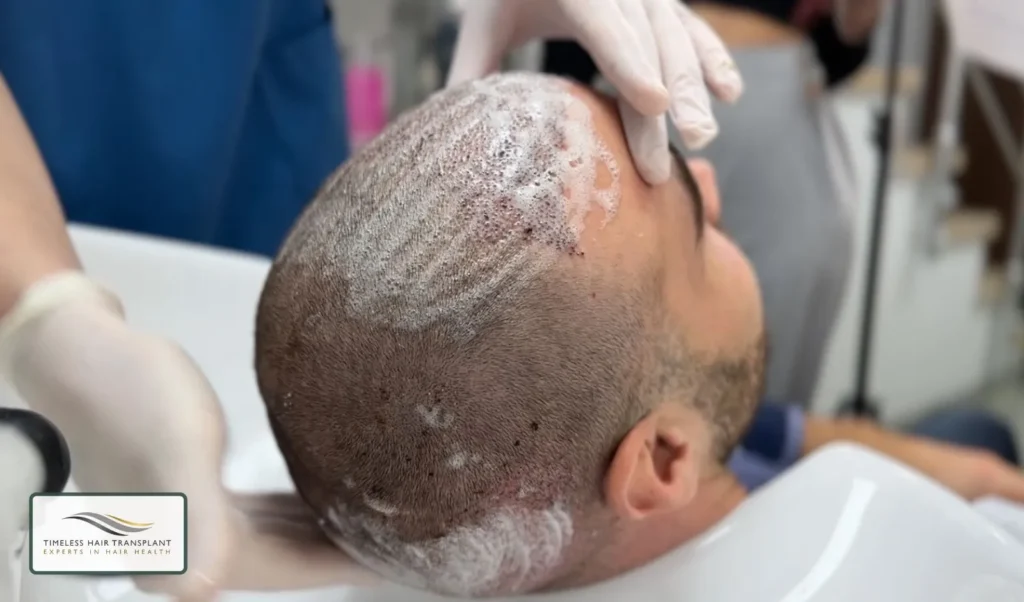
Because the scalp is most delicate in the first few days, washing must be approached with extra care during this period.
In the early post-operative phase:
- Wash your hair only if advised by your clinic
- Use a gentle or medicated shampoo recommended by your surgeon
- Avoid rubbing or scrubbing the scalp
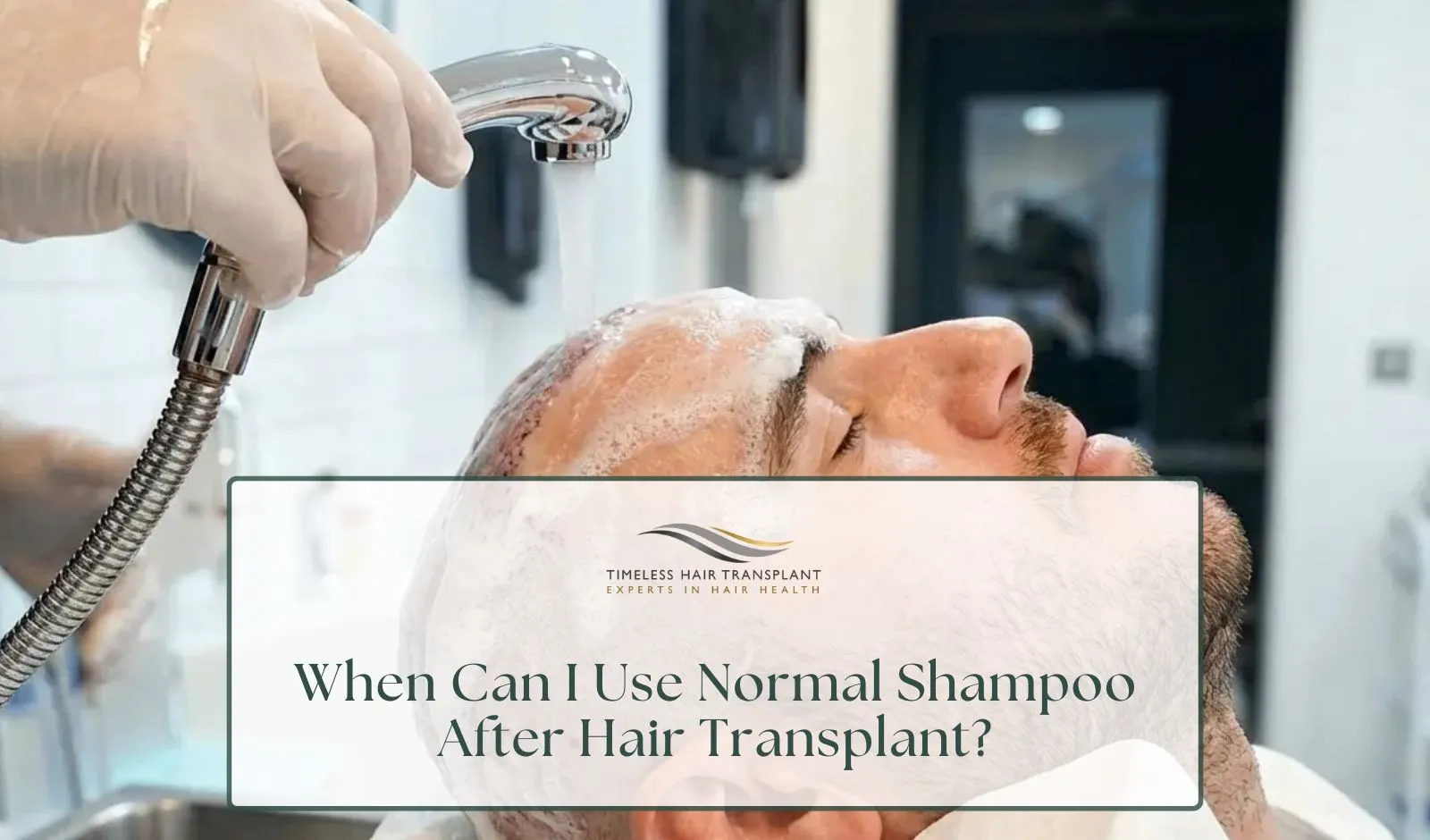
- Allow water to flow gently over the transplanted area
This stage focuses on keeping the scalp clean while avoiding unnecessary stress on transplanted hair follicles.
When It Is Safe to Reintroduce Regular Shampoo
As healing progresses, patients often begin to wonder when they can move away from specialist products.
For most people, a mild regular shampoo can be introduced at around two weeks post surgery, provided scabbing has cleared, and the scalp is no longer sensitive. By this point, the transplanted area is more stable, and the risk of disturbing grafts is much lower.
When switching back to regular shampoo:
- Choose a mild formula
- Avoid strong fragrances
- Stay away from shampoos containing harsh chemicals
Always follow personalised advice from your clinic, as recovery speed can vary.
Can I Use Anti-Dandruff Shampoo After Hair Transplant?
As the scalp heals, some patients experience dryness or flaking, which naturally raises concerns about dandruff control.
In most cases, anti dandruff shampoo should be avoided during the early recovery period. These products often contain medicated ingredients that may irritate healing skin and disrupt the recovery process. Anti-dandruff shampoo is usually safe to introduce three to four weeks post surgery, once the scalp has healed fully and sensitivity has reduced.
If dandruff persists or becomes uncomfortable, your clinic may recommend a specific medicated shampoo that is suitable for post-hair transplant care.

How to Wash Your Hair Without Affecting Grafts
Once washing becomes more comfortable, technique matters just as much as product choice.
To protect post-transplant hair:
- Use lukewarm water
- Apply shampoo gently with fingertips
- Avoid scratching or massaging aggressively
- Rinse carefully without strong water pressure
After washing, dry your hair by gently patting with a soft towel. Avoid rubbing the scalp and avoid high heat when drying your hair during the recovery process.
Shampoo Ingredients to Avoid While Healing
Even after regular shampoo is allowed, certain ingredients should still be avoided while the scalp continues to recover.
Try to avoid shampoos that contain:
- Harsh chemicals
- Alcohol-based ingredients
- Strong fragrances
- Heavy exfoliating agents
These can irritate the scalp, prolong healing, and interfere with healthy hair growth.

How Washing Impacts Hair Transplant Results
Good washing habits support:
- A smoother healing process
- Reduced scalp irritation
- Healthier hair growth
- Stronger long-term hair transplant results
On the other hand, aggressive washing or poor product choices can contribute to unnecessary hair loss during recovery, even though some shedding is a normal part of healing.
Differences in Care for FUE Hair Transplant Patients
Patients who undergo a FUE hair transplant often heal slightly faster because the technique is minimally invasive. However, shampoo guidelines remain largely the same.
Even with FUE, transplanted hair follicles still need time to settle. Introducing regular or medicated shampoo too early can disrupt the healing process.
What Changes as Recovery Progresses
As the weeks pass, caring for your scalp becomes easier.
Weeks 2 to 4
- Regular shampoo may be introduced
- Anti-dandruff shampoo only if approved
- Scalp sensitivity continues to reduce
After One Month
- Most patients return to their usual shampoo routine
- Medicated shampoo can be used if needed
- Washing feels more comfortable
By this stage, post-transplant hair is more secure, and the recovery process is well established.
Common Shampoo Mistakes After Hair Transplant
Some common mistakes can slow recovery, including:
- Using regular shampoo too early
- Scrubbing the transplanted area
- Ignoring postoperative instructions
- Using products with harsh chemicals
Avoiding these mistakes helps protect transplanted hair follicles and supports better long-term results.
Final Thoughts on Post-Hair Transplant Hair Care
Understanding when and how to use shampoo after a hair transplant helps protect your results and supports healthy recovery. For most patients, normal shampoo is safe around two weeks post surgery, while anti-dandruff shampoo should usually wait until three to four weeks.
Gentle washing, careful product selection, and following professional advice all contribute to successful hair restoration outcomes.
Start Your Hair Restoration Journey Today
If you have questions about shampoo use, washing routines, or post-hair transplant care, Timeless Hair Transplant is here to help. A personalised consultation ensures you receive clear guidance tailored to your recovery process and hair goals.
Call us today +44 18 9524 8415 to book your free consultation.
Frequently Asked Questions
When can I use normal shampoo after a hair transplant?
A mild regular shampoo may be introduced around two weeks after surgery once scabbing and sensitivity have reduced. Follow your clinic’s advice before changing products.
What shampoo should I use after a hair transplant?
During early recovery, use a gentle or medicated shampoo recommended by your clinic. Avoid products with harsh chemicals, strong fragrances, or exfoliating ingredients.
Can I use anti-dandruff shampoo after a hair transplant?
Anti-dandruff shampoo is usually avoided during early healing. It may be introduced around three to four weeks after surgery if your scalp has healed and your clinic approves it.
How should I wash my hair after a hair transplant?
Use lukewarm water and apply shampoo gently without rubbing or scratching the grafts. Rinse carefully and avoid strong water pressure on the transplanted area.
Can shampoo damage transplanted hair grafts?
Aggressive washing or unsuitable products may irritate the scalp during early recovery. Gentle washing and following your clinic’s aftercare instructions help protect the transplanted grafts.