

Quick Answer
Who invented FUE hair transplant?
The development of FUE hair transplant techniques involved several pioneers. Dr. Masumi Inaba described an early punch extraction method in the 1980s, while Dr. Ray Woods and Dr. Angela Campbell helped develop and popularise modern Follicular Unit Extraction (FUE).
Key Takeaways
- FUE stands for Follicular Unit Extraction, a technique that removes individual follicular units.
- Dr. Norman Orentreich pioneered modern hair transplantation in the 1950s.
- Dr. Masumi Inaba described early follicle extraction methods in the 1980s.
- Dr. Ray Woods and Dr. Angela Campbell helped develop modern FUE techniques.
- FUE avoids linear scarring and generally offers faster recovery than FUT.
- Advances in technology have improved FUE precision and efficiency.
- Both FUE and FUT remain effective hair restoration options.
The FUE hair transplant is one of the most in-demand methods for restoring hair today. Known for its natural-looking results, minimal scarring, and quick recovery, it has changed how people address hair loss, especially for those looking to treat male pattern baldness.
But this advanced hair transplant procedure didn’t just appear overnight. It’s the product of decades of medical innovation, starting with early breakthroughs in modern hair transplantation and evolving into today’s refined follicular unit extraction (FUE) methods.
So, who invented the FUE hair transplant, and how did we get here? Let’s go back in time to understand its roots.
The Foundations of Modern Hair Transplantation
While FUE is a relatively recent innovation, the foundation of surgical hair restoration began in the mid-20th century.
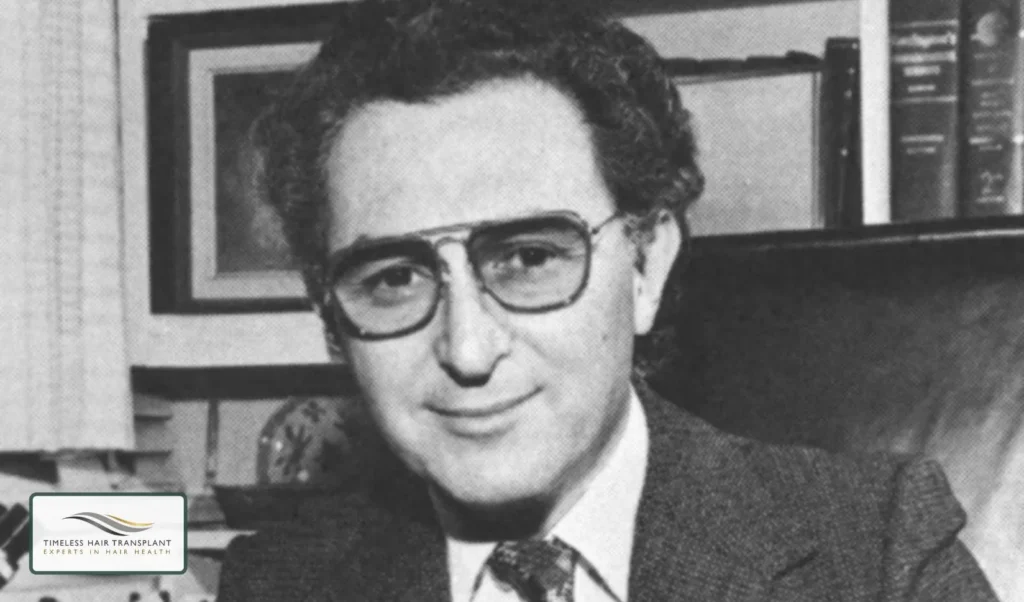
In 1952, a New York dermatologist named Dr. Norman Orentreich performed the first successful hair transplant surgery to treat male pattern baldness. His experiments in the early 1950s proved the concept of donor dominance, the principle that hair taken from the donor area (usually the back or sides of the scalp) retains its growth characteristics even when moved to a bald area.
This was a game-changer. Until then, there was no reliable way to restore hair permanently. Dr. Orentreich’s work during the post-World War II era gave birth to the entire field of modern hair transplantation.

Early Hair Transplant Techniques
The first techniques used by hair transplant surgeons involved larger “punch grafts” that contained multiple follicular units. While these restored hair, they often produced a “pluggy” look because of the size of the grafts.
Over time, surgeons began experimenting with smaller grafts to create a more natural hairline. This evolution eventually led to follicular unit transplantation (FUT), also called the strip excision method, which became the gold standard for many years.
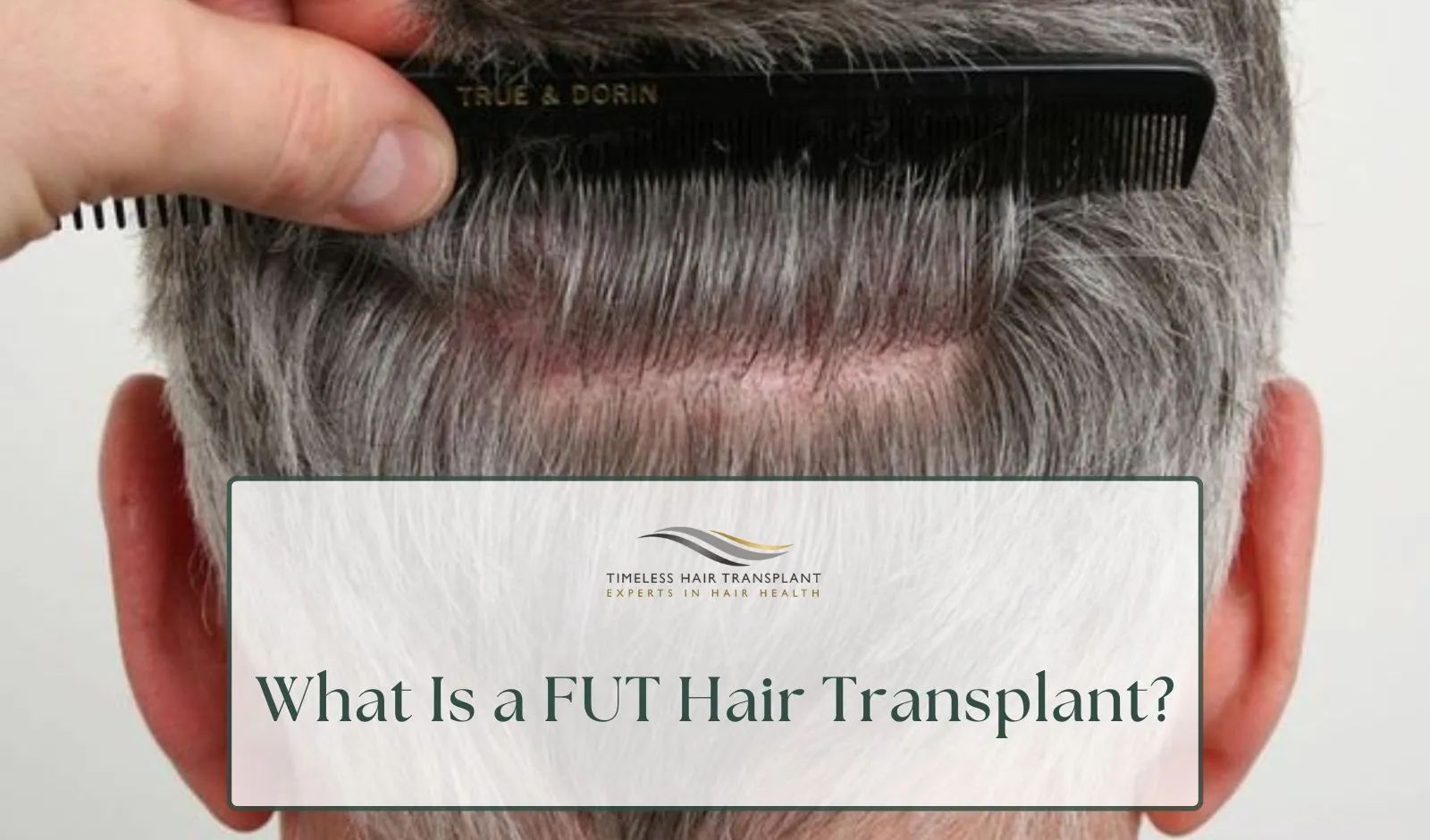
FUT involves removing a strip of skin from the donor area, dissecting it under a microscope into individual follicular units, and implanting them into the thinning or bald areas. While effective, FUT leaves a linear scar in the donor area, which some patients want to avoid.
The Birth of Follicular Unit Extraction (FUE)
Early methods of extracting individual hair follicles without removing a strip of scalp were described by Japanese dermatologist Dr. Masumi Inaba in the 1980s. He used a small punch tool to remove hair follicles directly from the donor area.
Dr. Ray Woods and Dr. Angela Campbell later helped pioneer modern FUE techniques in the 1990s. In 2002, Dr. William Rassman and Dr. Robert Bernstein published an influential description of Follicular Unit Extraction, helping bring wider recognition to the method.
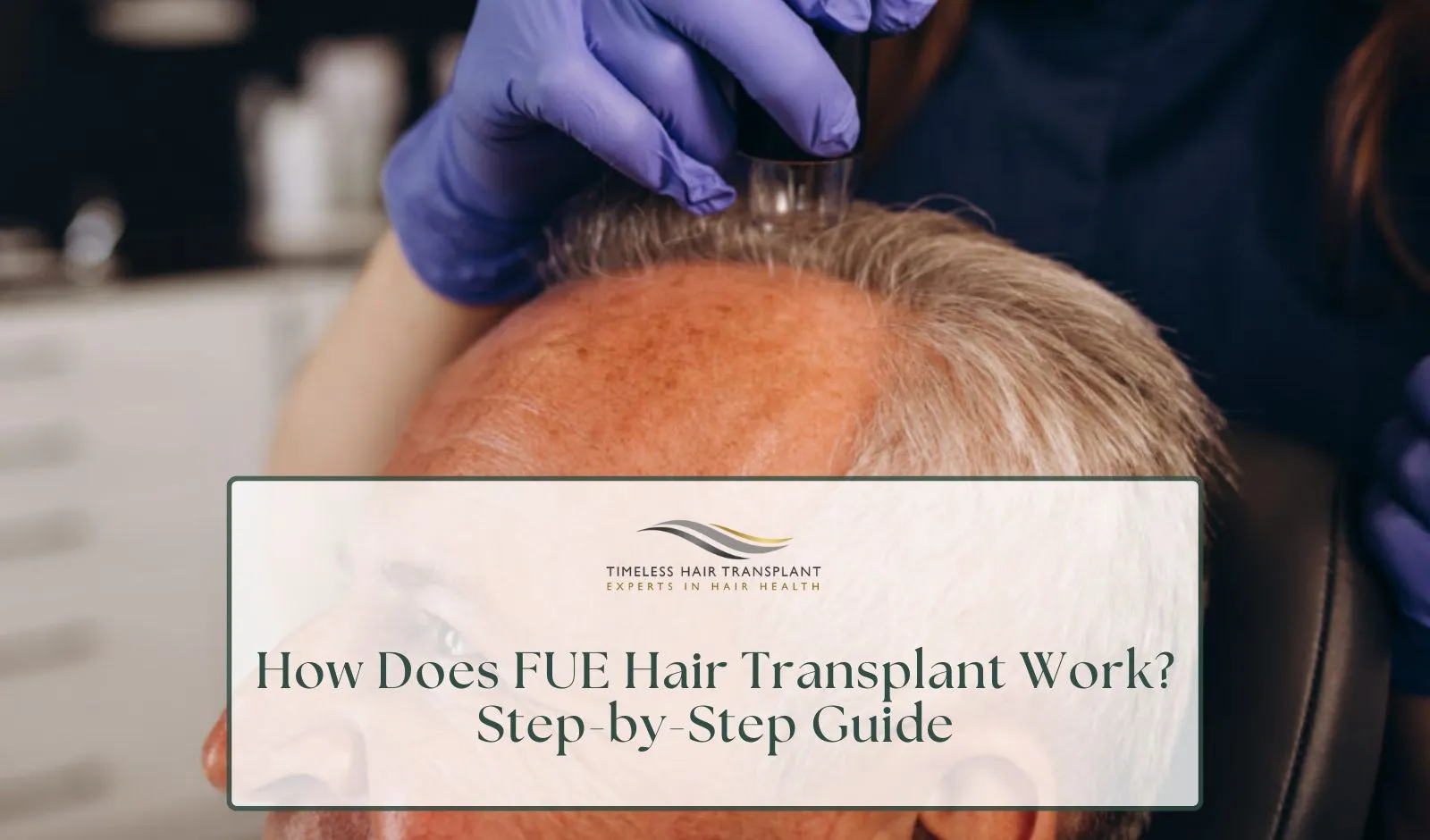
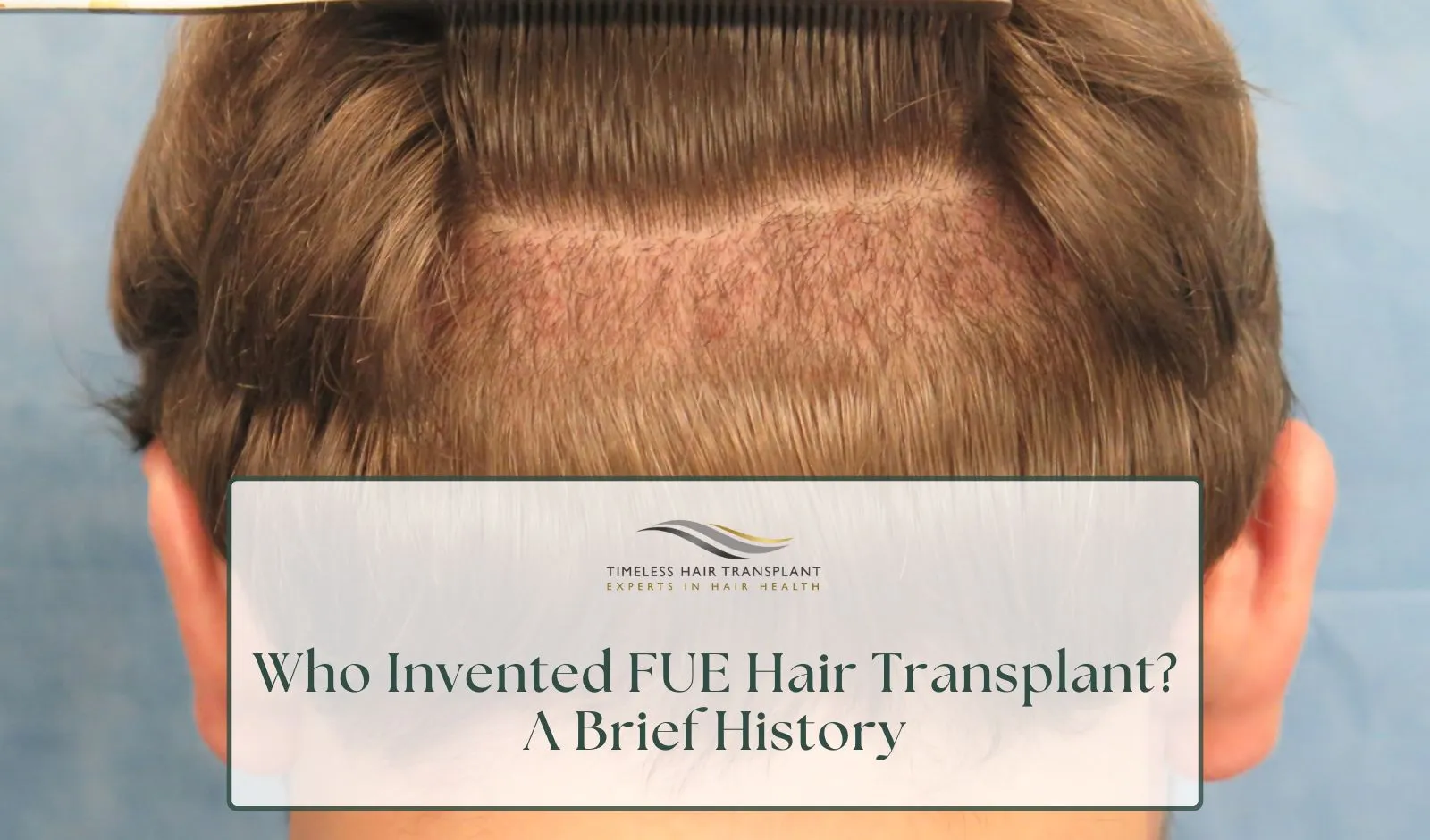
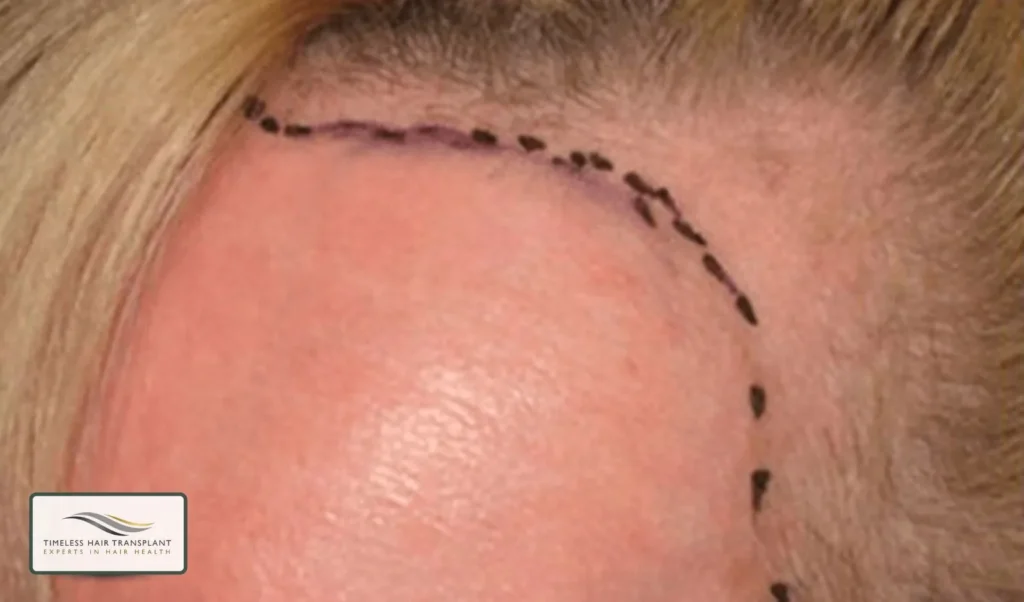
Unlike FUT, follicular unit extraction (FUE) does not require removing a strip of scalp. Instead, small circular incisions are made around individual follicular units, which are then transplanted into thinning or balding areas.
How FUE Revolutionised Hair Restoration
The shift from strip excision to FUE represented a major leap forward in hair restoration surgery. Here’s why:
- Minimal Scarring – The small extraction sites heal quickly and are barely noticeable.
- Faster Recovery – Patients can often return to normal activities within days.
- Natural Results – Precise placement of grafts improves the look of the hairline.
- Flexibility – Suitable for small touch-up sessions or larger coverage areas.
- No Stitches – Reduces discomfort and post-op restrictions.
For patients concerned about wearing short hair, avoiding a linear scar, or experiencing less downtime, FUE became the preferred option over FUT.
The Role of Technology in Advancing FUE
In its early days, FUE was slower and more labour-intensive compared to FUT. Extracting each follicle by hand required skill, patience, and magnification tools. But innovations in hair transplant techniques have made the process more efficient:
- Motorised punch tools speed up extraction while maintaining graft quality.
- Robotic systems assist with precise harvesting.
- Better graft storage methods improve survival rates of transplanted hair follicles.
Today, skilled hair transplant surgeons can perform larger FUE sessions involving thousands of grafts, depending on donor hair availability, treatment needs, and patient suitability.
Comparing FUT and FUE Today
While FUE dominates today’s market, follicular unit transplantation (FUT) is still used, especially when a large number of grafts is needed in one session or when maximising donor hair is a priority.
Here’s a quick comparison:
| Feature | FUT (Strip Excision) | FUE (Follicular Unit Extraction) |
|---|---|---|
| Scarring | Linear scar | Small dot scars |
| Recovery | Often 10-14 days for initial recovery | Often 5-7 days for initial recovery |
| Pain Level | Slightly more post-op discomfort | Minimal discomfort |
| Graft Numbers | High in one session | Flexible, but may require multiple sessions |
| Best For | Large areas of baldness | Patients avoiding visible scars |
Ultimately, the choice depends on the patient’s goals, donor area quality, and the surgeon’s recommendation.
Why Understanding FUE’s History Matters
Knowing the origins of FUE hair transplant gives patients perspective on how far the industry has come, from the large plug grafts of the 1950s to today’s microscopic precision.
It also shows the importance of selecting an experienced clinic. While the tools and techniques have improved, hair transplant surgery still requires an artistic eye, steady hands, and a deep understanding of hair follicles and growth patterns.
A well-executed FUE can produce life-changing results. But when performed by inexperienced surgeons, it can lead to uneven density, failed hair transplant results, or unnatural hairlines.
Is FUE Right for You?
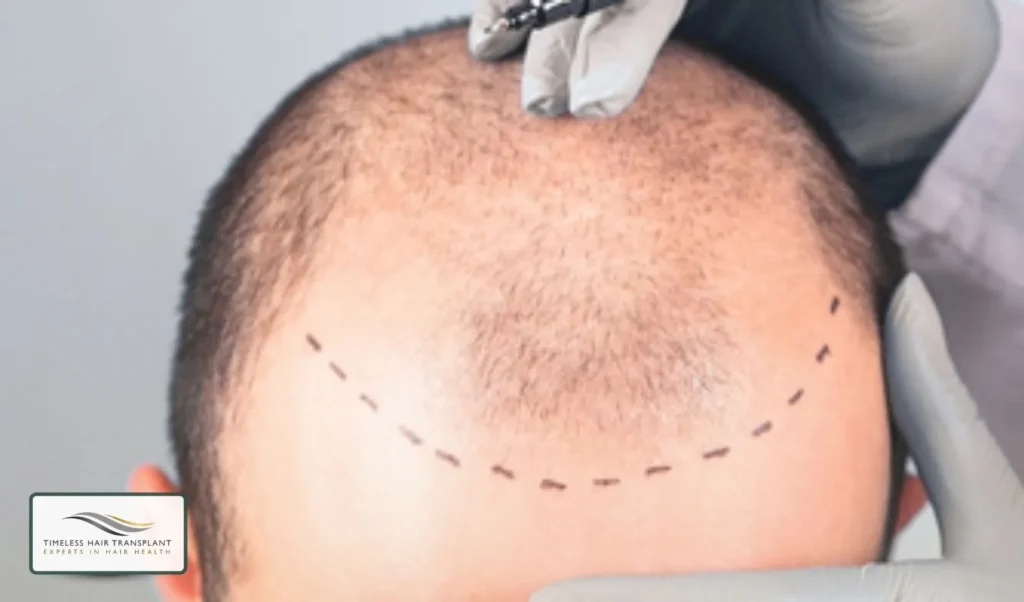
You may be a good candidate for follicular unit extraction (FUE) if you:
- Have thinning areas or localised bald spots
- Have a healthy donor area with strong hair follicles
- Prefer minimal downtime after surgical hair restoration
- Want to avoid a linear scar from strip excision
- Need a touch-up to blend with previous FUT hair transplants
During your consultation, your surgeon will also explain possible side effects, the use of local anaesthetics, and realistic expectations for hair transplant results.
Related: What Is FUE Hair Transplant? A Guide
The Future of Hair Transplant Techniques
- Better automation for graft extraction and placement
- Improved methods for preserving graft quality and survival
- Enhanced precision for creating natural-looking hairlines
- Further research into regenerative treatments, including PRP and stem cell-based therapies
The pioneering work of Dr. Norman Orentreich, Dr. Masumi Inaba, Dr. Ray Woods, and other researchers helped establish the foundation for these ongoing innovations.
Final Thoughts
The history of FUE hair transplant techniques shows how decades of medical innovation have improved hair restoration. From early punch grafts to modern follicular extraction methods, these advancements have helped make treatment more precise, with less noticeable scarring and shorter recovery times.
Understanding how FUE has evolved can help you make an informed decision about your hair restoration options.
Take the Next Step Towards Fuller Hair
At Timeless Hair Transplant, Dr. Luciano Sciacca provides personalised FUE and FUT treatment plans based on your hair loss concerns and restoration goals.
Call +44 18 9524 8415 today to book your free consultation.
Frequently Asked Questions
Who performed the first FUE hair transplant?
Dr. Ray Woods and Dr. Angela Campbell are recognised as early pioneers of modern FUE techniques in the 1990s. Earlier extraction methods were also described by Dr. Masumi Inaba.
When did FUE hair transplants become widely available?
FUE gained wider recognition in the early 2000s as surgeons refined the technique and introduced more efficient extraction tools.
Who introduced the concept of donor dominance?
Dr. Norman Orentreich established the principle of donor dominance in the 1950s. His research showed that transplanted hair could retain the growth characteristics of its original donor area.
How has FUE technology improved since its invention?
Modern FUE uses refined punch tools, motorised extraction devices, and robotic assistance in some clinics. These developments have improved the precision and efficiency of graft harvesting.
Is the original FUE technique still used today?
Yes. Modern FUE still follows the principle of extracting individual follicular units without removing a strip of scalp. However, surgical tools and extraction methods have advanced over time.