

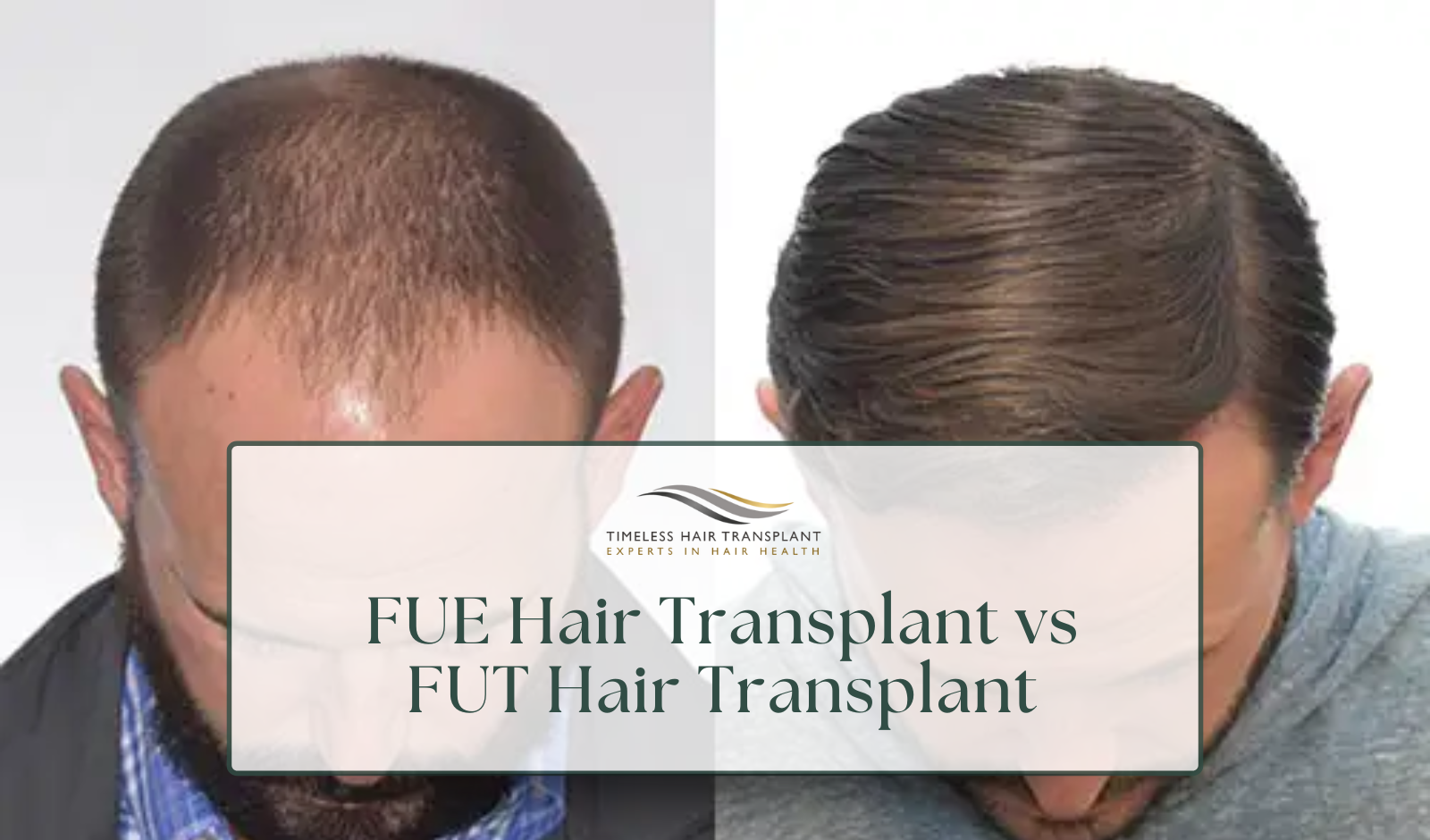
Quick Answer
What is the difference between FUE and FUT hair transplants?
FUE removes individual hair follicles from the donor area, while FUT removes a strip of scalp containing multiple follicles. FUE typically offers less visible scarring and a shorter recovery, while FUT can be suitable when a larger number of grafts is needed.
Key Takeaways
- FUE removes individual hair follicles, while FUT uses the strip method.
- FUE leaves small dot scars and generally has a shorter recovery time.
- FUT leaves a linear scar but can provide more grafts in one session.
- Both methods can provide natural-looking, long-term hair growth.
- Cost, recovery time, scarring, and the number of grafts needed can influence your choice.
- A consultation can help determine which method is more suitable for your hair loss and goals.
Which Hair Transplant Method Is Right for You? If you’re thinking about getting a hair transplant, you’ve probably come across two popular methods: FUE and FUT. These are the most common hair transplant methods used today to restore hair loss and help patients regain their confidence.
But what’s the difference between FUE hair transplant and FUT hair transplant? FUE or FUT hair transplant, which is better for your specific needs? Understanding these procedures and how they work will help you make a smarter decision.
Let’s break it down in a simple, easy-to-understand way.
What Is FUE Hair Transplant?
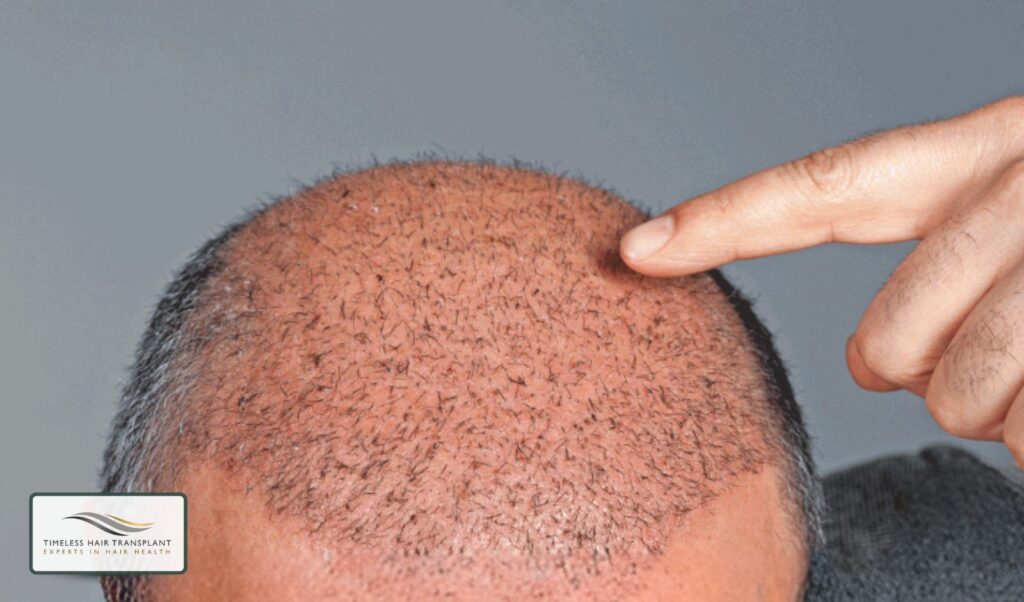
FUE, or Follicular Unit Extraction, is a modern transplant technique where your doctor removes individual follicular units, tiny hair groupings, from the donor site (usually the back or sides of your scalp). These units are then implanted into the thinning or balding parts of your head.
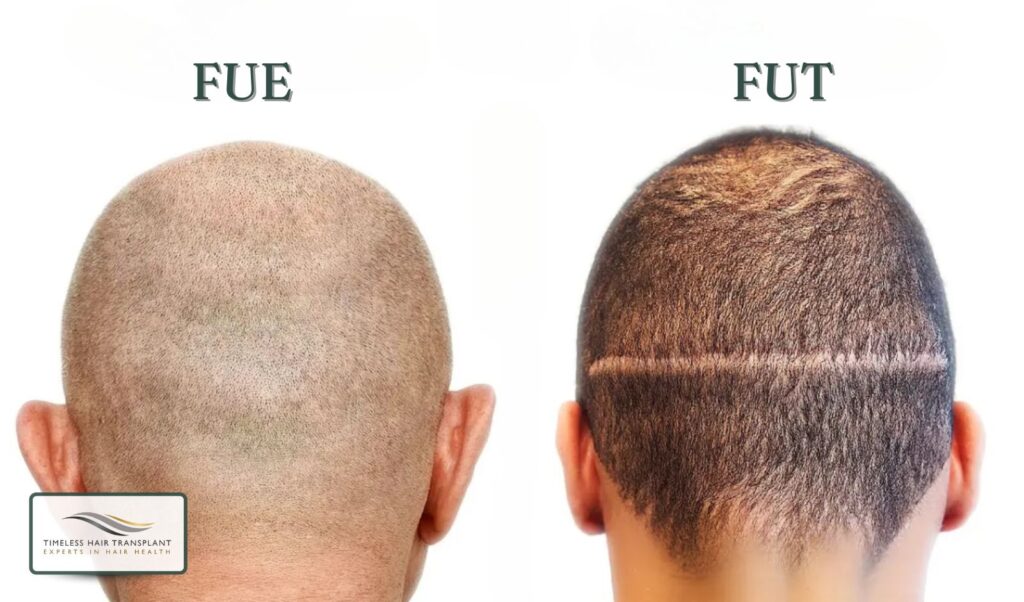
Unlike older techniques, the FUE procedure does not involve cutting a strip of skin. Instead, it uses a small punch tool to extract hair grafts one at a time. This makes it much less invasive than traditional methods.
Benefits of the FUE Procedure:
- No stitches or sutures
- Leaves tiny dot scars that are hard to see
- Shorter recovery time
- Less pain after the procedure
- Works well for people who wear short hair
- Natural-looking hair growth
Because of these advantages, FUE follicular unit extraction has become a favorite for patients who want a minimally invasive solution. However, it may not be suitable for everyone.
What Is FUT Hair Transplant?
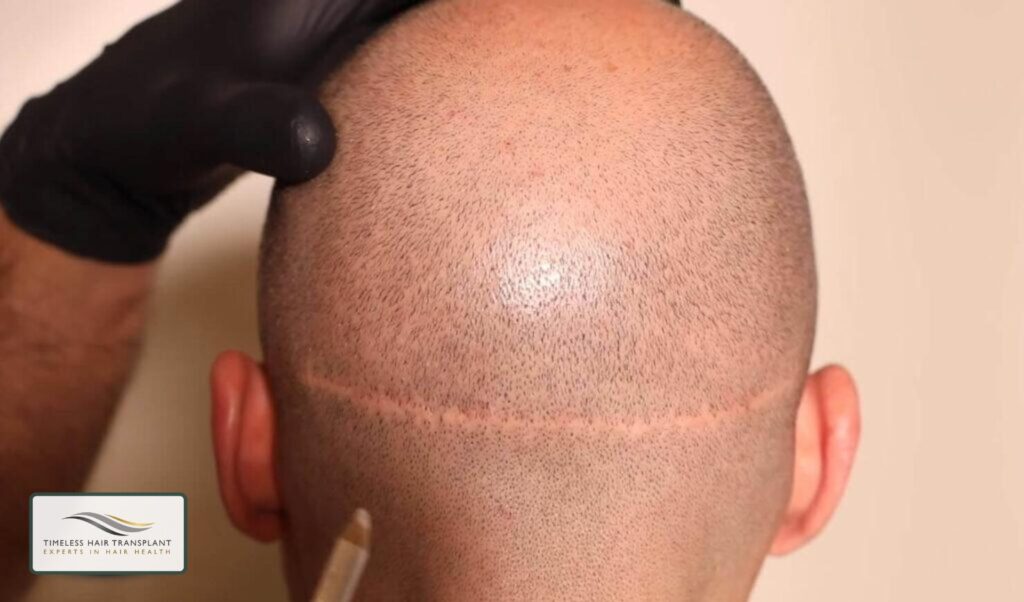
FUT, or Follicular Unit Transplantation, is also known as the strip method. In this approach, the surgeon removes a thin strip of skin from the donor site, usually from the back of your head. This strip contains many individual follicular units, which are then separated into hair grafts and placed into the balding areas.
This method has been around longer and is especially useful when you need a larger number of grafts in one session.
Benefits of FUT Hair Transplant:
- Can transplant more hair in a single session
- Often costs less than FUE
- Best for people with larger bald areas
- Very effective for advanced hair loss
- Long-lasting transplanted hair results
One thing to note is that FUT follicular unit transplantation can leave a linear scar where the strip was removed. If you plan to keep your hair short, this may be something to consider.
FUE vs FUT Hair Transplant: Side-by-Side Comparison
| Feature | FUE (Follicular Unit Extraction) | FUT (Follicular Unit Transplantation) |
|---|---|---|
| Hair Removal Method | Individual follicular units | Strip of scalp (the strip method) |
| Scarring | Tiny dot scars, barely visible | May leave a linear scar |
| Healing & Recovery | Shorter recovery time, less pain | Longer recovery due to stitches |
| Grafts per Session | Fewer hair grafts per session | More grafts transplanted at once |
| Hairstyle Options | Ideal for short hairstyles | Best with medium or long hairstyles |
| Cost | Usually higher hair transplant costs | More affordable option |
| Invasiveness | Minimally invasive | Slightly more invasive |
This FUE vs FUT hair transplant comparison makes it easier to see the pros and cons of each method.
Who is a Good Candidate?
You may be wondering whether FUE or FUT hair transplant is better for your unique needs. Here are some common factors that doctors consider when recommending a type of hair transplant:
You may benefit from FUE if:
- You have mild to moderate hair loss
- You prefer wearing short hairstyles
- You want minimal scarring
- You can afford a slightly higher hair transplant cost
- You prefer a faster recovery time
You may benefit from FUT if:
- You need a larger number of transplanted hair grafts
- You have advanced hair loss
- You don’t mind a scar that’s hidden under longer hair
- You want a more cost-effective option
Not sure which is right for you? Check out this expert breakdown on candidate qualifications for hair transplant.
In either case, your doctor will examine your scalp, talk about your goals, and recommend the transplant technique that’s best for your situation.
FUE vs FUT Hair Transplant: Cost Breakdown
Cost is one of the biggest factors people think about. So, how do FUE vs FUT hair transplant costs compare?
- FUE tends to be more expensive because the procedure is time-intensive. Each follicular unit is extracted by hand or using advanced tools, which can take several hours.
- FUT, on the other hand, is generally more affordable because the hair grafts are harvested in bulk from a single donor site.
However, pricing can vary depending on:
- Number of grafts needed
- Surgeon’s experience
- Location of the clinic
- Technology used
At Timeless Hair Transplant, we provide honest, upfront pricing with no hidden fees. For a personalized quote, your exact cost will be determined after a thorough consultation with our specialists.
What to Expect During Recovery
The recovery time is different for each procedure.
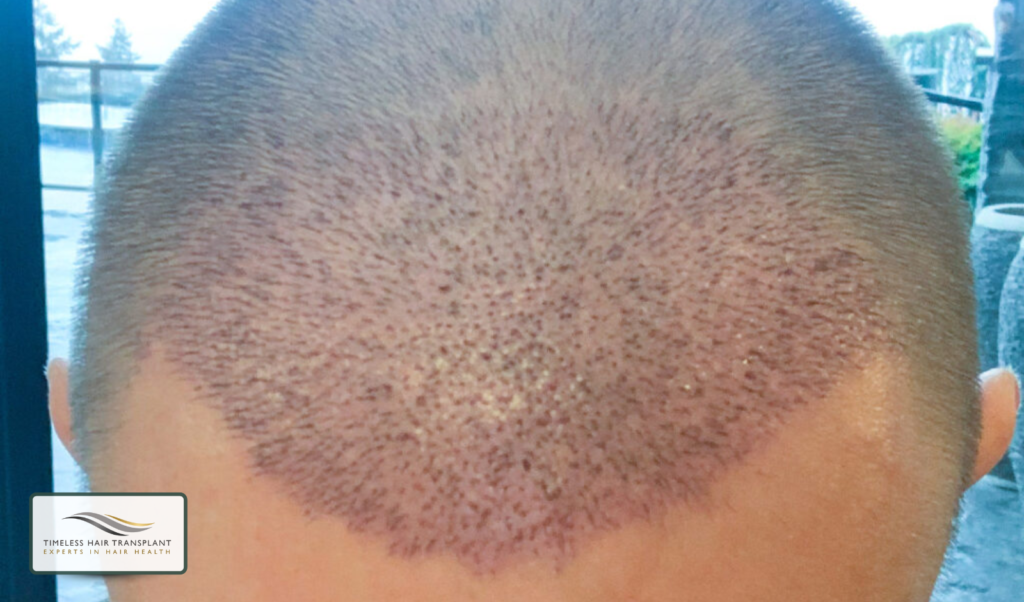
- FUE: Most patients return to work within a few days. There’s minimal discomfort and no need to remove stitches.
- FUT: Recovery may take 7-10 days due to the stitches used. You may experience mild swelling or tightness in the donor site.
In both cases, your new transplanted hair will begin growing in 3 to 4 months, with full results showing in 9 to 12 months.
Your doctor will give you detailed aftercare instructions to promote proper healing and long-lasting hair growth. That includes how to wash your scalp, avoid infections, and care for your new grafts.
FUE or FUT Hair Transplant: Which Is Better?
Now that you know the difference between FUE and FUT, you might be wondering, “FUE or FUT hair transplant, which is better?”
The answer depends on your:
- Hair loss pattern and severity
- Personal hairstyle preference
- Budget
- Time for recovery
- Willingness to accept scarring
Some people prefer the FUE follicular unit extraction method for its minimally invasive nature and fast recovery. Others choose the FUT follicular unit transplantation approach for its affordability and higher graft count per session.
Why Choose Timeless Hair Transplant?
At Timeless Hair Transplant, our expert team specialises in both FUE and FUT, combining advanced techniques with years of experience to deliver natural, long-lasting results. From consultation to aftercare, we provide personalised support and treatment plans tailored to your goals.
Both FUT and FUE can restore your hairline and confidence. The right choice depends on your needs, which we’ll determine together during your consultation.
Call +44 18 9524 8415 today to book your free consultation and take the first step toward natural-looking hair and renewed self-esteem.
Frequently Asked Questions
Is FUE or FUT hair transplant less painful?
Both procedures use local anaesthesia during treatment. FUE usually causes less donor site discomfort, while FUT may cause temporary soreness or tightness during healing.
How long do FUE and FUT hair transplant results last?
Hair transplanted with FUE or FUT can provide long-term growth. Results vary depending on factors such as hair loss progression, donor hair, and individual health.
Will people notice that I had a hair transplant?
Redness, scabbing, or swelling may be noticeable during early recovery. As the scalp heals and new hair grows, the transplanted hair is designed to blend with your existing hair.
How do I know if FUE or FUT is right for me?
The right method depends on your hair loss, donor hair, number of grafts needed, hairstyle, and recovery preferences. A consultation can help determine which option is more suitable.
How soon can I return to work after a hair transplant?
Many patients return to work within several days after FUE, while FUT may require a longer recovery. Your individual timeline depends on healing and the type of work you do.
Will my hair look natural after FUE or FUT?
Both FUE and FUT can produce natural-looking results when the grafts are carefully planned and placed. Hairline design, density, and graft direction all affect the final appearance.
Do you offer financing for FUE and FUT hair transplants?
Yes. Timeless Hair Transplant offers financing options to help patients manage the cost of FUE and FUT hair transplant treatment.
How long does it take to see hair transplant results?
New hair growth often begins around three to four months after surgery. Fuller results typically develop over 9 to 12 months, with further improvement possible beyond this period.