

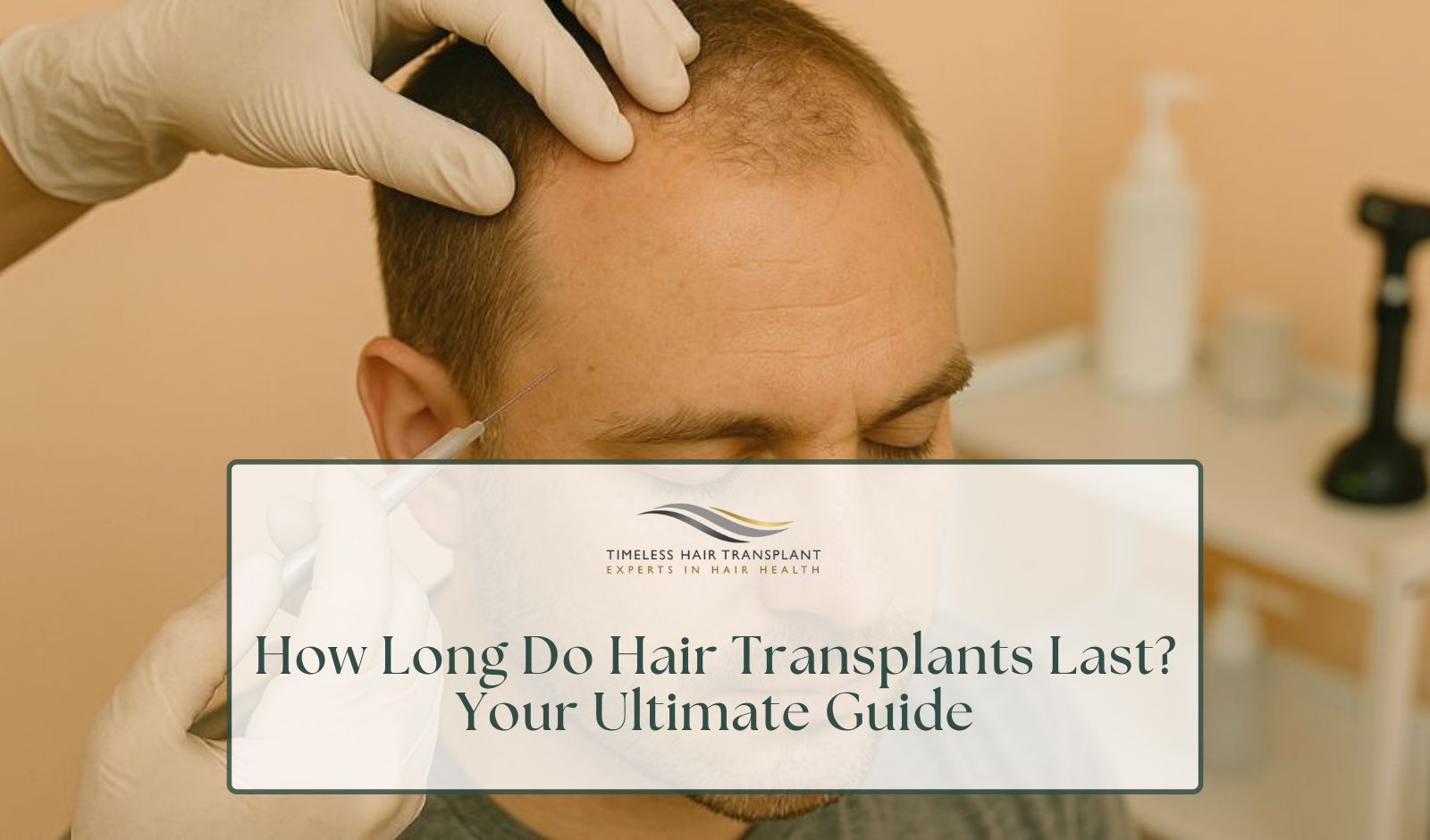
Quick Answer
How long do hair transplants last?
Hair transplants can provide long-term hair growth because the follicles are usually taken from areas of the scalp that are more resistant to pattern hair loss. However, your existing non-transplanted hair may continue to thin over time.
Key Takeaways
- Transplanted follicles can continue producing hair for many years.
- FUE and FUT can both provide long-term results.
- Temporary shedding is common during early recovery.
- New growth often begins around three to four months after treatment.
- Existing hair may continue to thin as hair loss progresses.
- Age, donor hair, aftercare, and future hair loss can affect your overall results.
- Some patients may consider additional treatment later.
Hair restoration is a long-term decision, so it is natural to wonder how your results may change over time. While transplanted follicles are typically more resistant to pattern hair loss, the rest of your hair can still change as you age.
Understanding what happens to both transplanted and existing hair can help you set realistic expectations before treatment.
What Is a Hair Transplant?
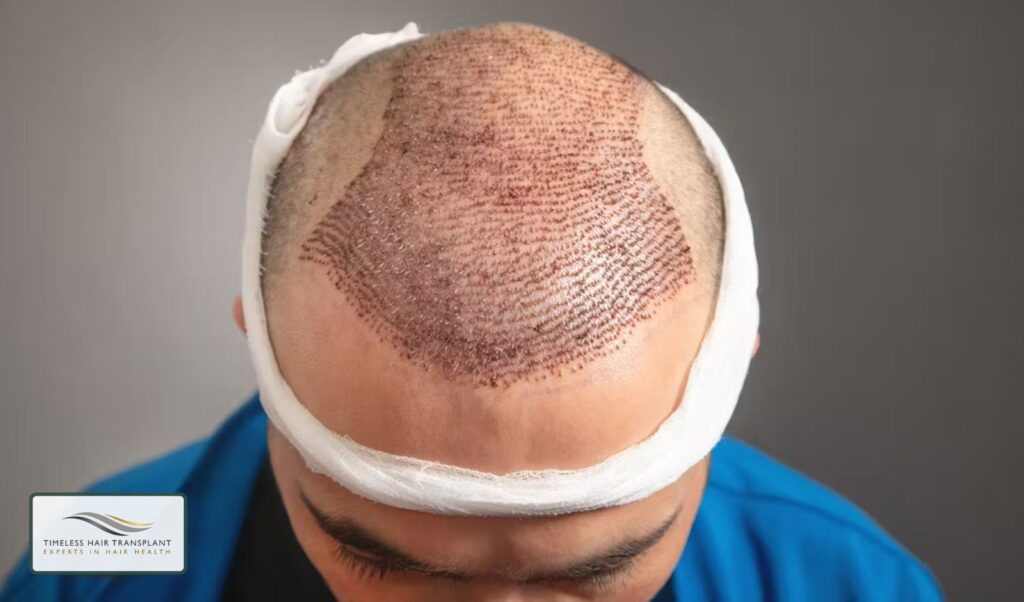
A hair transplant moves healthy hair follicles from a donor area, usually the back or sides of the scalp, to areas affected by thinning or baldness.
The two main techniques are:
- FUE Hair Transplant: Individual hair grafts are removed and transplanted into thinning areas, leaving minimal scarring.
- FUT Hair Transplant: A thin strip of donor scalp is removed and divided into grafts for transplantation. This method leaves a linear scar but can provide more grafts in one session.
The right technique depends on your hair loss, donor hair, and treatment goals.
Why Can Transplanted Hair Provide Long-Term Growth?
Donor follicles are typically taken from areas of the scalp that are more resistant to pattern hair loss. Once successfully transplanted and healed, these transplanted hair follicles can retain those characteristics and continue producing hair in their new location.
This is why hair transplants work as a long-term restoration option, although surrounding natural hair may continue to thin over time.
How Long Does Hair Transplant Last After Treatment?
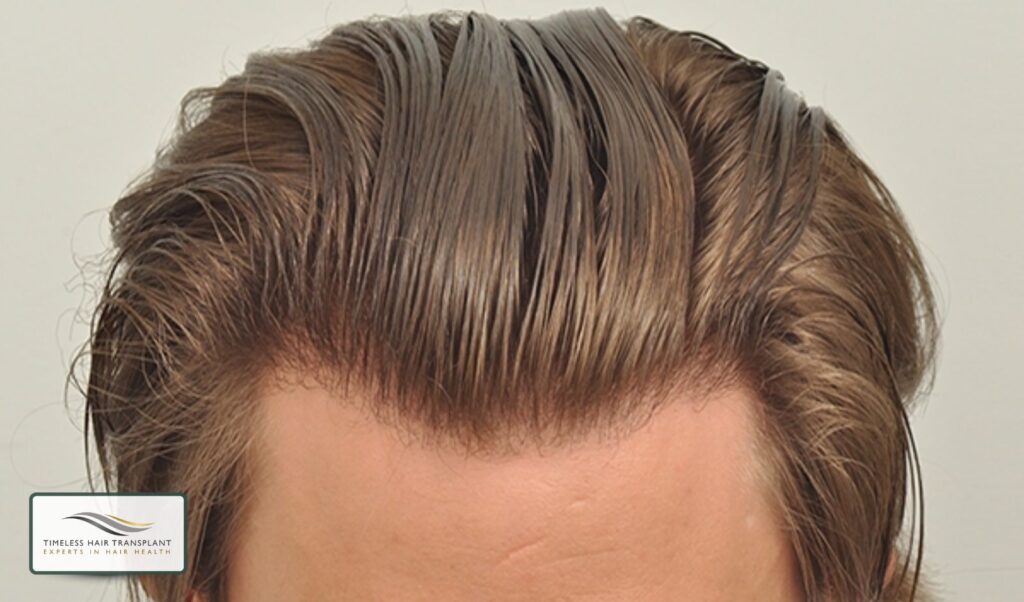
The longevity of your results depends on your hair loss pattern, donor hair quality, age, health, and future thinning. These factors can influence how your hair looks years after treatment.
While hair transplants work by relocating healthy donor follicles, surrounding natural hair may still be affected by androgenetic alopecia. This means your overall density can change over time.
What Happens to Transplanted Hair Over Time?
Your hair transplant results develop gradually rather than immediately.
First few weeks: Some transplanted hairs may shed. This is a common part of early recovery and does not necessarily mean the follicles have been lost.
Around 3 to 4 months: New hair may begin to appear.
Around 6 to 9 months: Growth generally becomes more noticeable, with improvements in hair density developing over time.
Around 12 to 18 months: Results continue to mature, with further changes in thickness and texture possible.
Individual recovery and growth timelines can vary.
Do Hair Transplants Last Forever?
Transplanted follicles are generally more resistant to pattern hair loss and can continue producing hair for many years.
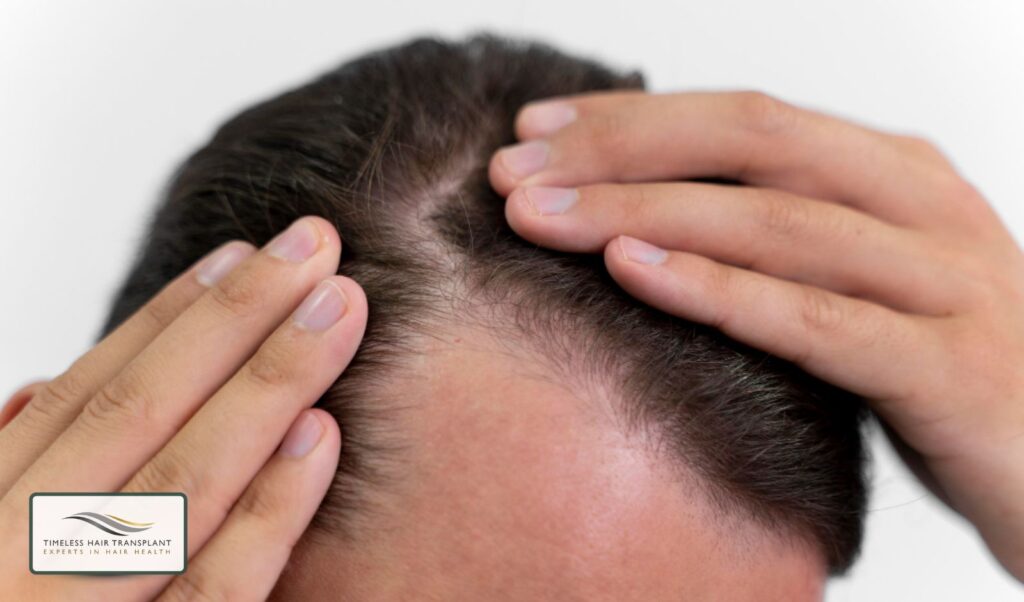
However, describing a hair transplant permanent solution can be misleading because a transplant does not stop ageing or future thinning in untreated areas. Your surrounding natural hair may continue to change over time.
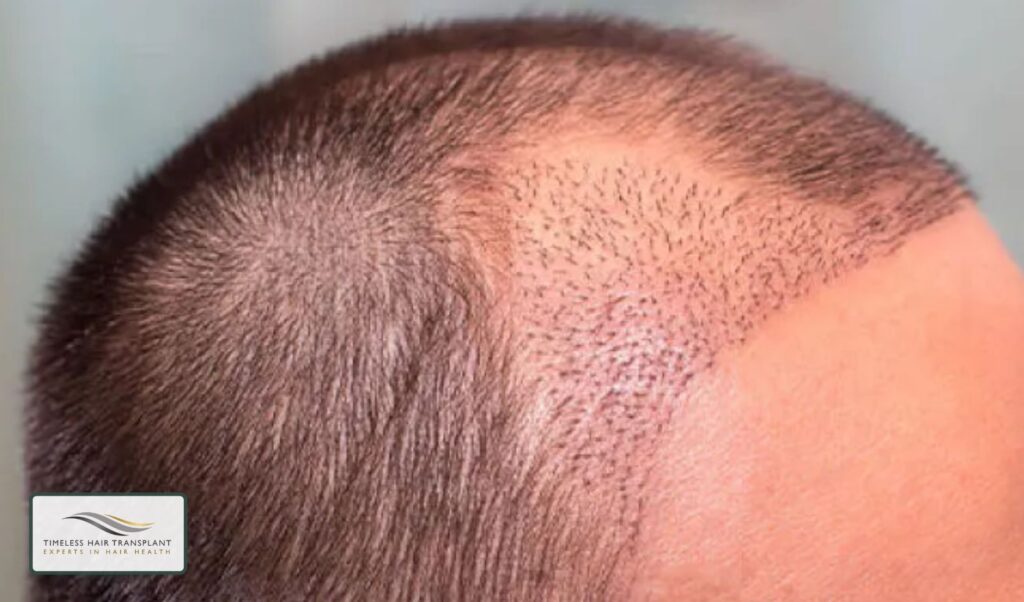
What Can Affect Long-Term Results?
Several factors can influence how long will hair transplant last and how your overall hair looks in the years following treatment.
Donor Hair
A healthy donor area is important for successful hair restoration surgery. The quality and availability of donor follicles can influence the coverage that may be achieved.
Future Hair Loss
Pattern hair loss can continue after treatment. Depending on your needs, a doctor may discuss hair loss treatments that can help prevent further hair loss in non-transplanted areas.
Treatment Planning
An experienced hair transplant surgeon considers your current hair loss, donor supply, and how thinning may progress when developing a treatment plan.
Aftercare
Proper hair transplant aftercare helps protect the grafts while your scalp heals. Following your surgeon’s instructions is particularly important during the early recovery period.
Does a Hair Transplant Last Forever?
No treatment can guarantee that your hair will look exactly the same throughout your life. While transplanted follicles can provide lasting growth, your existing hair may continue to change with age and ongoing hair loss.
Some patients may eventually consider another transplant or other approaches to maintain their desired coverage.
How Can You Maintain Your Results?
You can support your results by following your post-operative instructions carefully and protecting your scalp during recovery.
Long-term follow-up can also help monitor changes in your existing hair. If further thinning occurs, your doctor can discuss whether additional treatment may be appropriate.
Any medication used for ongoing hair loss should be discussed with a qualified healthcare professional to determine whether it is appropriate for you.
Final Thoughts
If you are wondering how long does the hair transplant last, it is important to consider both the transplanted follicles and the future of your existing hair.
A hair transplant can provide long-term growth, but results vary depending on donor hair, hair loss progression, treatment planning, and individual factors. While transplanted follicles may continue growing for many years, surrounding natural hair can still thin over time.
A personalised assessment can help you understand what results may be realistic and create a treatment plan that considers both your current hair loss and how it may progress in the future.
Why Choose Timeless Hair Transplant?
At Timeless Hair Transplant, Dr. Luciano Sciacca provides personalised FUE and FUT treatment plans based on your hair loss, donor area, and long-term restoration goals.
Our team provides guidance from your initial consultation through treatment and aftercare, with transparent information about your options and expected results. Call +44 18 9524 8415 today to book your free consultation.
Frequently Asked Questions
How long does a hair transplant last?
Transplanted follicles can continue producing hair for many years because they are typically taken from areas more resistant to pattern hair loss. Existing non-transplanted hair may still thin over time.
Does a hair transplant last forever?
A hair transplant can provide long-term growth, but lifelong results cannot be guaranteed. Ageing and continued thinning of surrounding natural hair can change your overall appearance over time.
Can transplanted hair fall out again?
Temporary shedding is common during the first few weeks after treatment. The follicles remain in place and can begin producing new hair as the growth cycle progresses.
When does transplanted hair start growing?
New growth often begins around three to four months after treatment. It generally becomes more noticeable between six and nine months and can continue maturing for 12 to 18 months.
What can affect how long my results last?
Donor hair quality, future hair loss, age, treatment planning, and aftercare can all influence long-term results. Your natural hair may also continue to thin independently of the transplanted follicles.
Will my natural hair continue to thin after a transplant?
Yes, non-transplanted hair can continue to thin if your underlying pattern hair loss progresses. This is why long-term planning is an important part of treatment.
Will I need another hair transplant in the future?
Not necessarily. Some patients consider another procedure if their natural hair continues to thin or if they want additional coverage or density later.
Do FUE and FUT results last the same amount of time?
Both techniques use healthy donor follicles and can provide long-term growth. The main difference is how the follicles are harvested rather than how long they are expected to grow.
How can I help maintain my hair transplant results?
Follow your post-operative instructions carefully and attend recommended follow-up appointments. Your doctor may also discuss appropriate options for managing continued thinning of your natural hair.
Can ageing affect my hair transplant results?
Yes. Transplanted follicles may continue growing as you age, but your surrounding natural hair can become thinner. This can gradually change the overall density and appearance of your hair.