

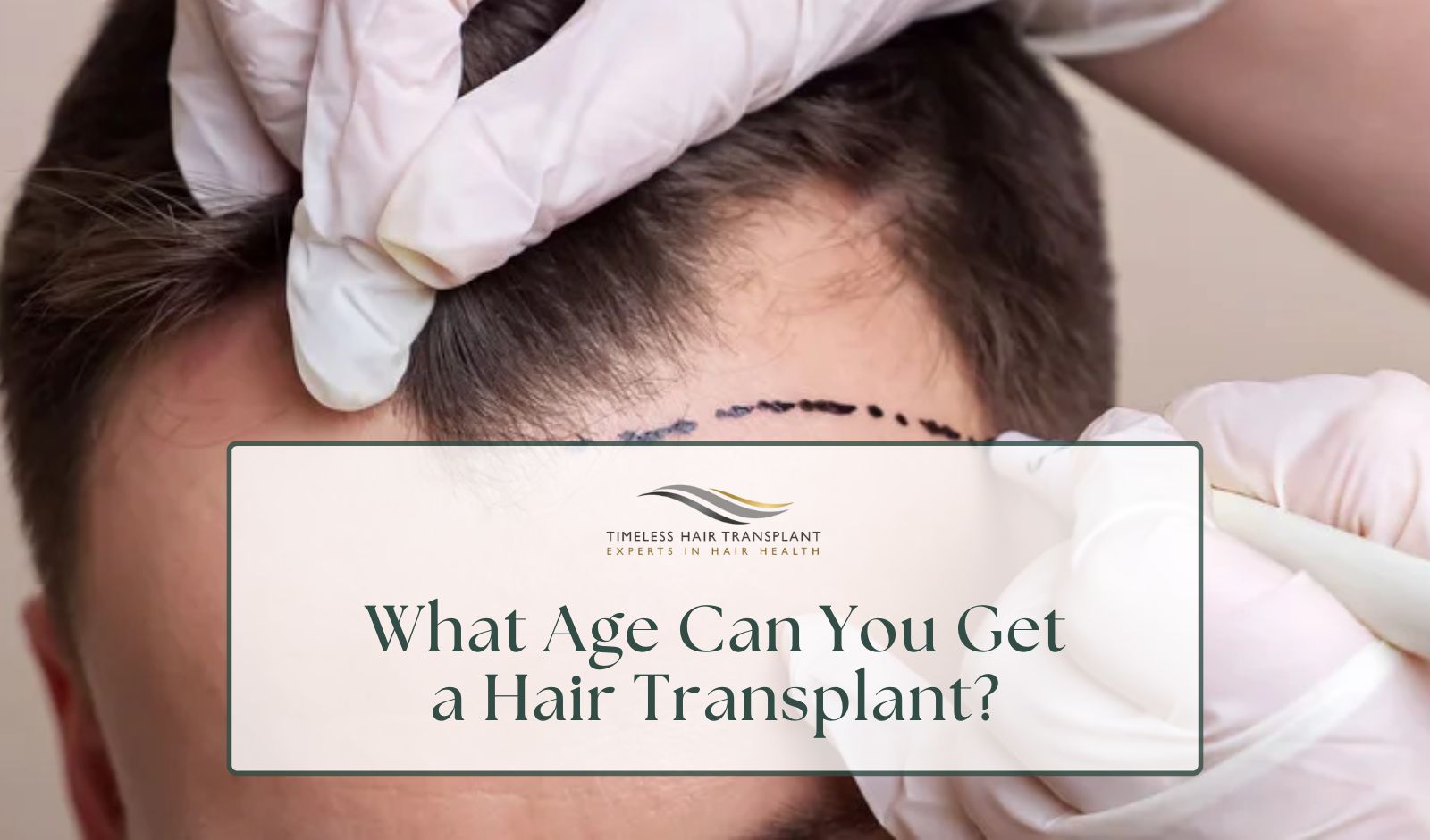
Quick Answer
What age can you get a hair transplant?
There is no single age that is right for everyone, but hair transplants are often considered from around age 25, when the pattern of hair loss may be easier to assess. Suitability depends more on stable hair loss, donor hair quality, overall health, and long-term goals than age alone.
Key Takeaways
- There is no universal minimum or maximum age for a hair transplant.
- Patients in their early 20s may be advised to wait if hair loss is still progressing.
- Around age 25 or later, hair loss patterns may be easier to assess.
- Patients in their 40s, 50s, and 60s may still be suitable candidates.
- Donor hair quality and stable hair loss are important factors.
- A consultation can determine whether the timing is right for you.
If you’re thinking about hair restoration, it’s natural to wonder whether your age plays a role in the timing and success of the procedure. Many first-time patients ask if they’re too young to start treatment, or if they may be too old to see meaningful results.
The truth is, age does matter, but it’s only one piece of the puzzle. Surgeons typically look at factors such as the stability of your hair loss, the quality of your donor area, and your overall health before recommending a procedure. Understanding how age influences candidacy can help you make a confident, informed decision about when the right time might be for you.
What Is a Hair Transplant?
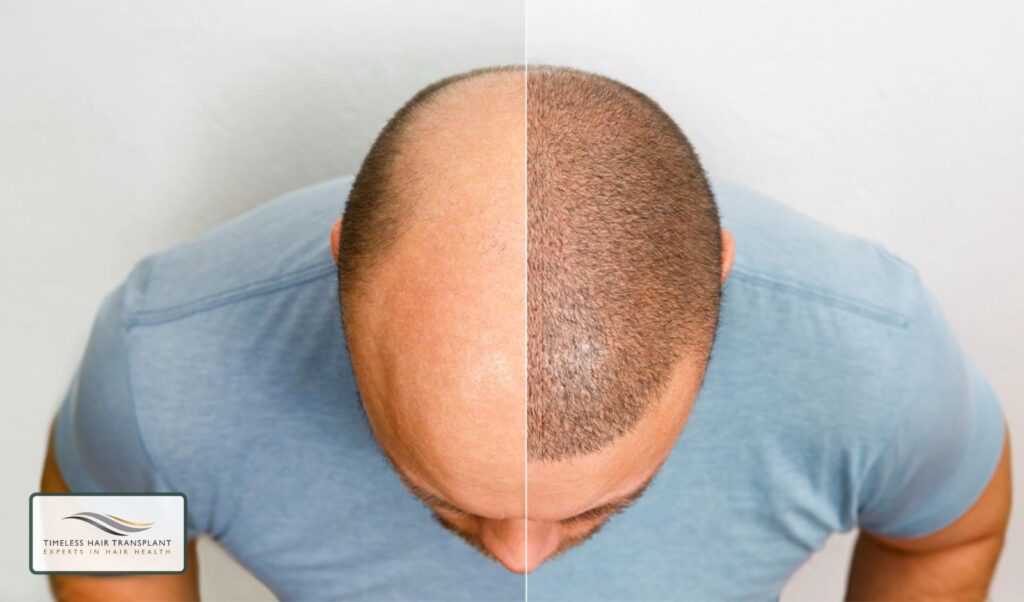
A hair transplant is a surgical procedure that relocates healthy hair follicles from one area of the scalp, usually the donor area at the back or sides, to bald areas or thinning regions. The goal is to restore natural hair growth and improve overall hair density and appearance.
Hair transplant surgery is especially effective in treating male pattern baldness, though it’s also suitable for individuals experiencing thinning hair due to age, genetics, or certain medical conditions.
There are two primary techniques used:
- FUE (Follicular Unit Extraction): This involves extracting individual hair follicles from the donor site and placing them in the recipient area. A FUE hair transplant is minimally invasive and leaves tiny, dot-like scars that heal quickly.
- FUT (Follicular Unit Transplantation): In this method, a small strip of skin is removed from the donor area. The strip is then dissected into follicular units, which are transplanted into the balding area. FUT is often recommended when a larger number of grafts are needed.
Both techniques can produce excellent results when performed by skilled professionals and are chosen based on the individual’s needs, the extent of hair loss, and donor hair availability.
What’s the Best Age for a Hair Transplant?
There’s no one-size-fits-all answer when it comes to the ideal age for a hair transplant, but most experts agree on one key point: the procedure should be done when your hair loss has stabilised.
Here’s a general guideline by age group:
Early 20s
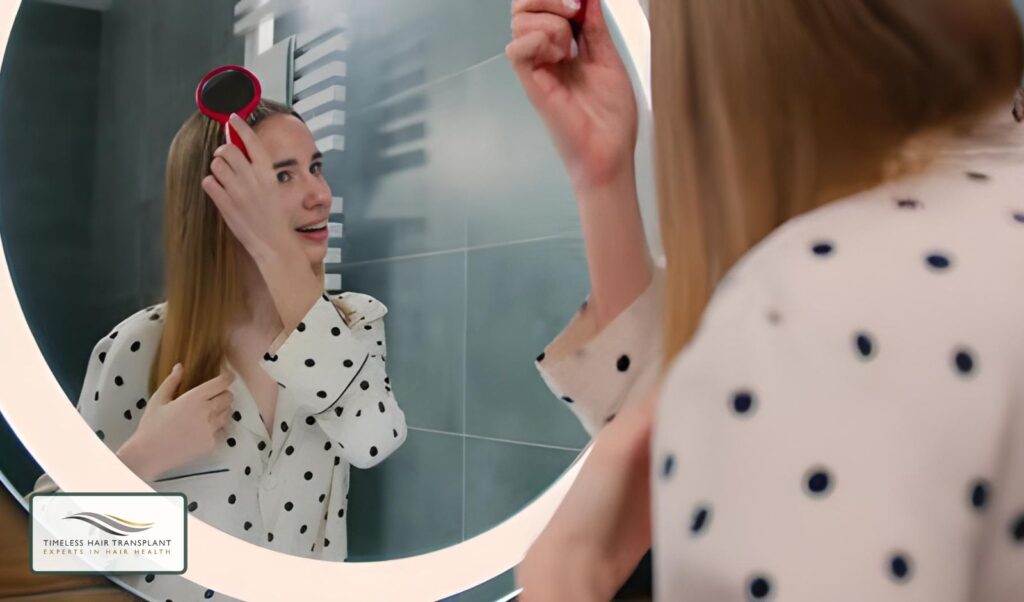
If you’re in your early 20s, it’s generally advisable to wait. Hair loss at a young age can be unpredictable, and transplanting too soon may result in unnatural-looking outcomes over time. As the hairline continues to recede, the transplanted hair may stay in place, while the surrounding hair continues to thin.
Why waiting is important:
- Your receding hairline may change, requiring more surgeries later.
- Premature treatment can lead to poor distribution of transplanted hair.
- The full extent of hair loss is harder to predict at this stage.
Mid to Late 20s and Early 30s
This is often the most suitable time for many patients. By the age of 25, hair loss patterns become clearer, and surgeons can make better decisions about where to place hair grafts for long-term, natural results.
40s and Beyond
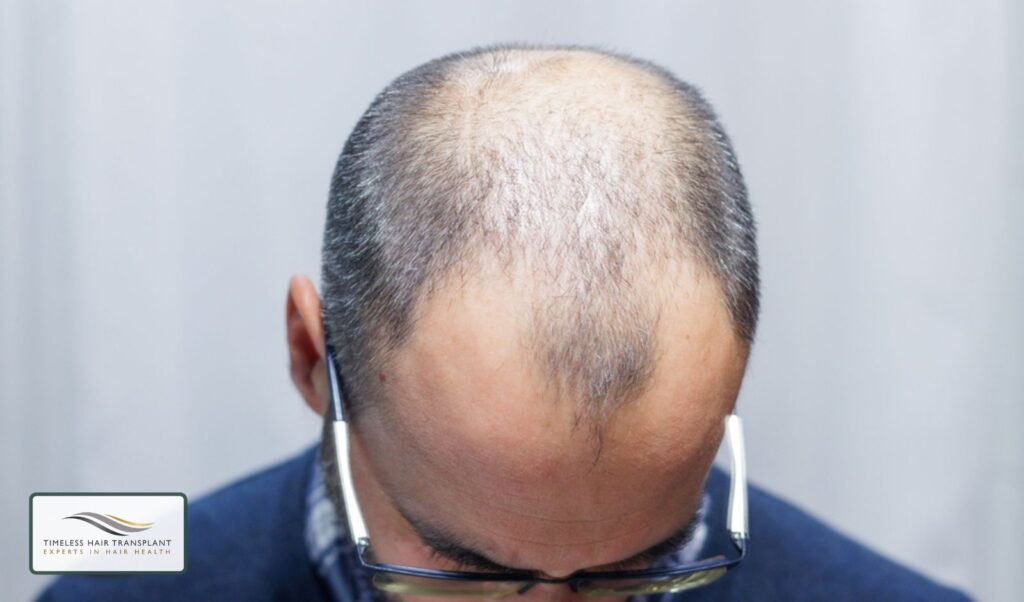
People in their 40s, 50s, and even 60s often make excellent candidates for a hair transplant procedure, especially if they have sufficient donor hair and good general health. By this age, hair loss has typically stabilised, making it easier to plan a long-term strategy.
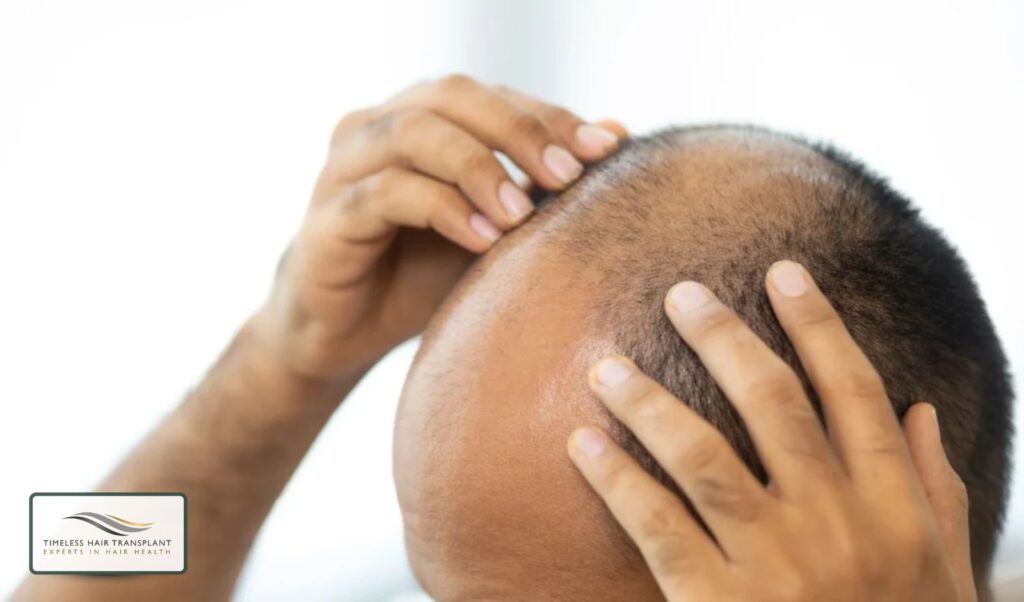
How Do You Know If You’re Ready?
You might be ready to consider hair transplant surgery if:
- Your hair loss has stabilised over time.
- You have a sufficient amount of donor hair.
- You’re in good physical health with no medical conditions affecting hair growth.
- You have realistic expectations about hair transplant results.
- You’ve consulted with a specialist and understand the benefits and limitations.
It’s important to remember that a hair transplant is a personal decision, and what’s right for one person may not be ideal for another.
Why Choose Timeless Hair Transplant?
At Timeless Hair Transplant, we consider your age, hair loss pattern, donor hair, and goals before recommending FUE or FUT. This personalised approach helps create a treatment plan designed around your individual needs.
Call +44 18 9524 8415 to book your consultation and find out if now is the right time for your hair transplant.
Frequently Asked Questions
What is the minimum age for a hair transplant?
There is no single minimum age suitable for everyone. Hair transplants are often considered from around age 25, when hair loss patterns may be easier to assess and plan for long-term results.
Can I get a hair transplant in my early 20s?
It may be possible, but patients in their early 20s are often advised to wait if their hair loss is still progressing. Transplanting too early can make long-term hairline planning more difficult.
Am I too old for a hair transplant?
Not necessarily. Patients in their 40s, 50s, and 60s may still be suitable candidates if they have sufficient donor hair, good general health, and realistic expectations.
How do I know if I am ready for a hair transplant?
You may be suitable if your hair loss has stabilised, you have enough healthy donor hair, and you are in good general health. A consultation can confirm whether a hair transplant is appropriate for you.
Can I have more than one hair transplant?
Yes. Some patients may have additional hair transplant procedures if their natural hair continues to thin or they want further coverage. Future treatments depend on your remaining donor hair and long-term hair loss pattern.