

Quick Answer
How do hair transplants work?
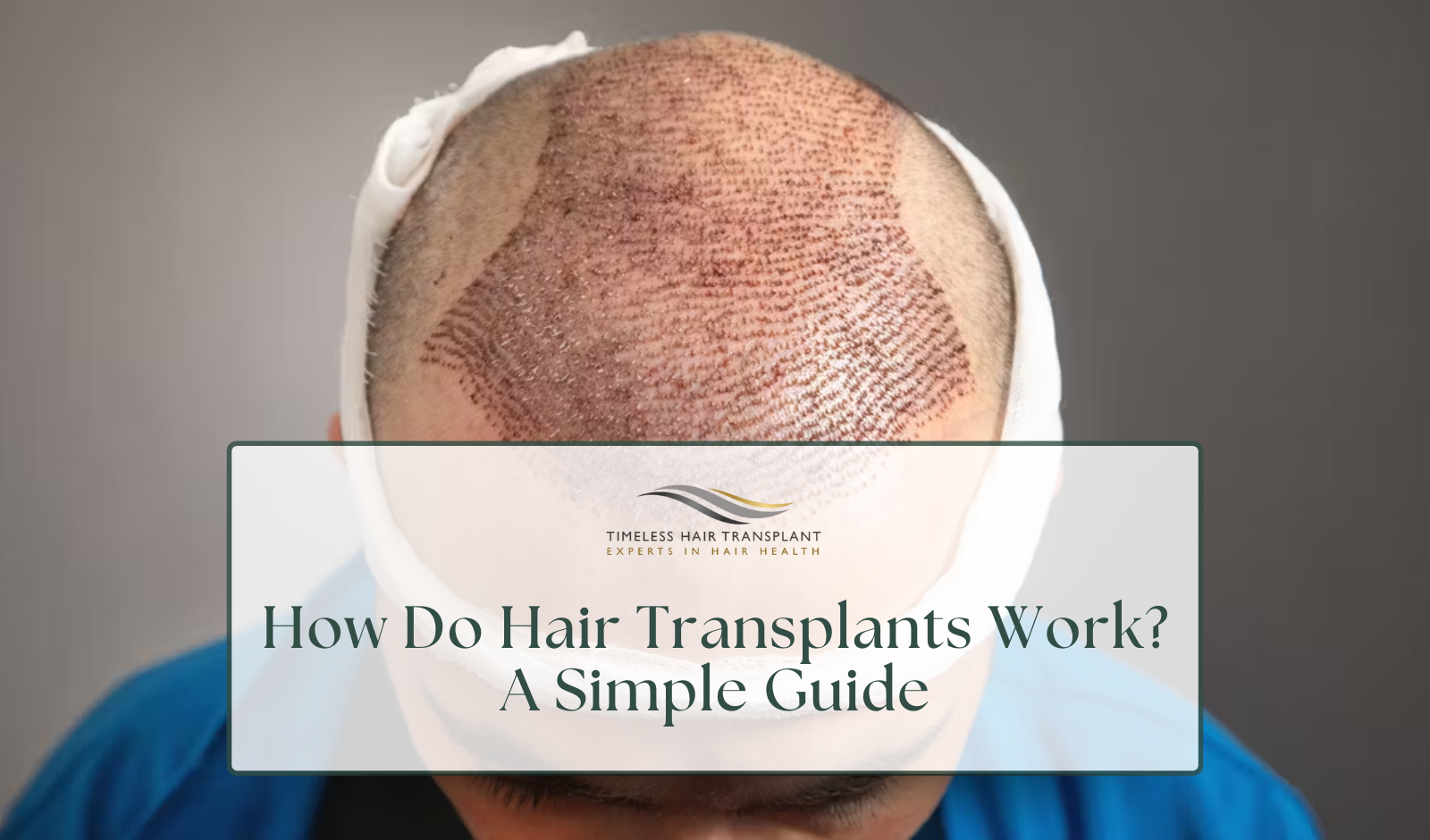
Hair transplants work by moving healthy hair follicles from a donor area, usually the back or sides of the scalp, to areas with thinning or missing hair. The transplanted follicles can then grow hair naturally in their new location.
Key Takeaways
- Hair transplants move your own healthy follicles to thinning or bald areas.
- FUE and FUT are the two main hair transplant techniques.
- FUE removes individual follicles, while FUT removes a thin strip of donor scalp.
- Careful graft placement helps transplanted hair blend with existing hair.
- Some temporary shedding can occur before new growth begins.
- New hair growth usually becomes noticeable several months after treatment.
- The right technique depends on your hair loss, donor hair, and treatment goals.
Hair loss affects millions of people worldwide and can take a serious toll on confidence and self-esteem. The good news is that modern hair transplant surgery offers a safe, effective, and lasting solution. If you’ve ever wondered how the process works, you’re not alone, many people begin their research by asking the same questions.
In this guide, we’ll walk you through the essentials: what a hair transplant is, how the procedure is performed, the different techniques available, and the kind of results you can expect. Whether you’re just starting to explore your options or you’re ready to take the next step, this simple overview will help you understand the process and feel more confident about your decision.
What Is a Hair Transplant?
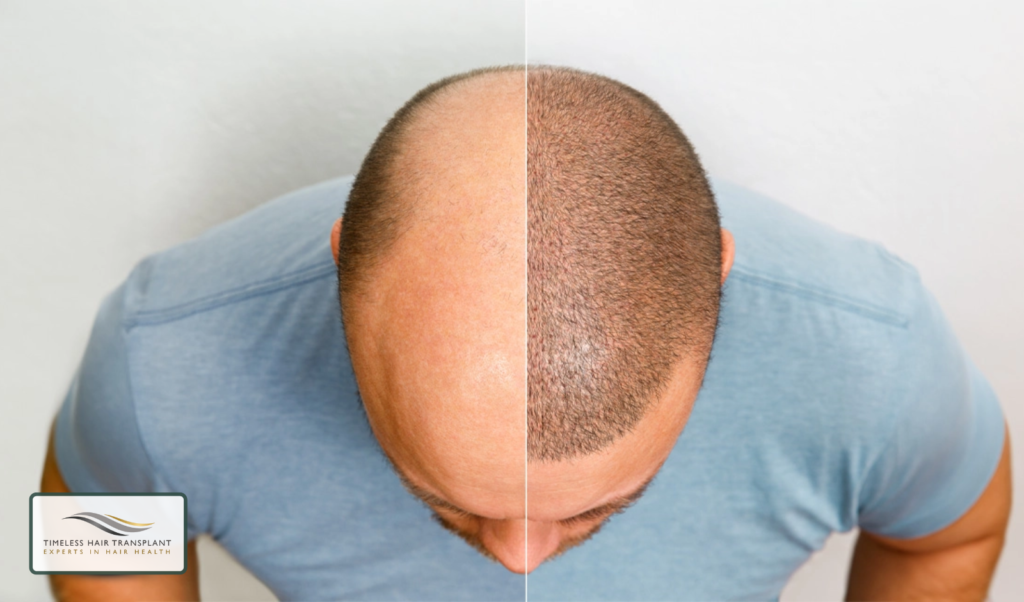
A hair transplant is a medical procedure that moves healthy hair follicles from one part of the head to areas where hair is thinning or missing. The follicles usually come from the donor area at the back or sides of the head, where hair tends to be more resistant to male pattern baldness. They can be transplanted to areas such as the hairline or crown.
Because a hair transplant uses your own healthy follicles, the transplanted hair can continue to grow naturally in its new location. No artificial hair or synthetic implants are used, helping the new growth blend with your existing hair for a natural-looking result.
How Does a Hair Transplant Work?
Understanding how hair transplants work can make you feel more confident about the decision. Here is a step-by-step breakdown of the full process
1. Initial Consultation
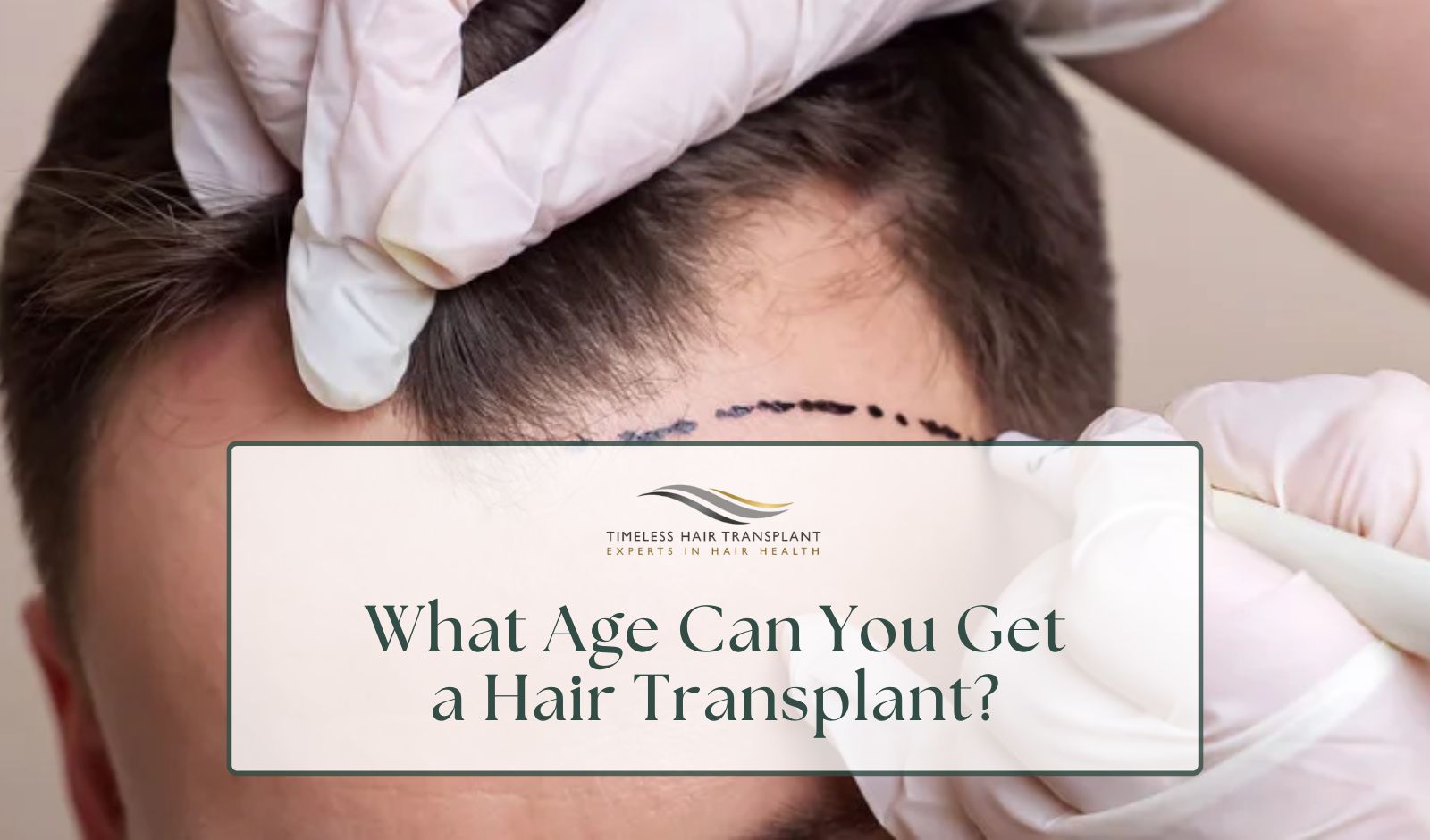
The first step is a consultation with a hair restoration specialist. During this meeting, the doctor will examine your scalp, ask about your types of hair loss, and discuss your expectations. They will also determine if you are a good candidate for the procedure. Good candidates usually have a healthy donor site and are in overall good health.
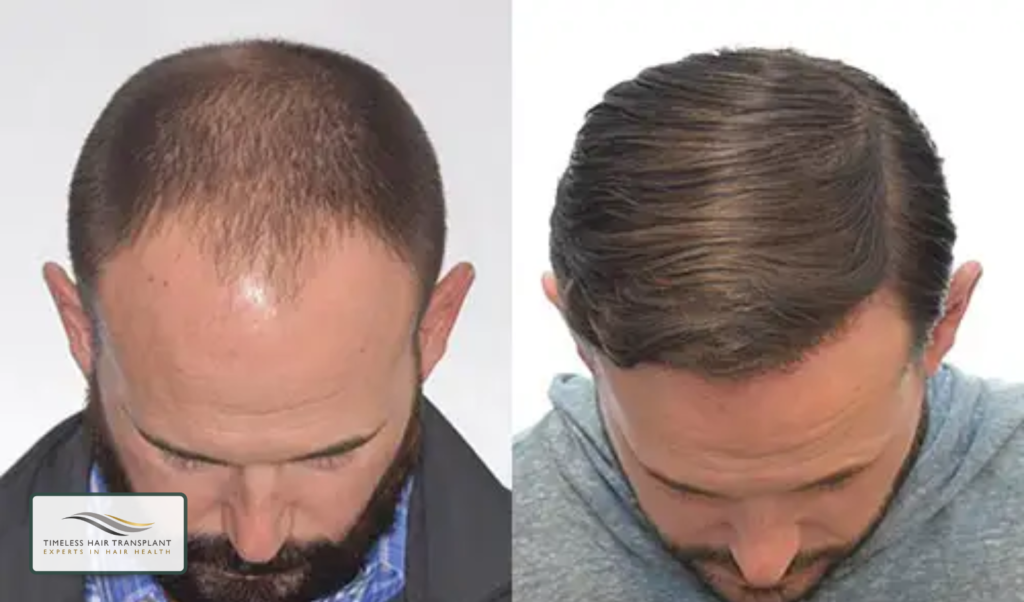
The consultation is also a chance for you to ask questions, review before-and-after photos of other patients, and understand what kind of results you can realistically expect. It’s important to be honest about your goals so the doctor can create a treatment plan that fits your needs.
2. Customized Treatment Plan
Once the consultation is complete, the clinic will create a personalized treatment plan for you. This plan will outline:
- How many hair grafting sessions you may need
- Which areas of the scalp will be treated
- Which technique will be used (FUE or FUT)
- Expected hair growth timeline and recovery process
Creating a personalized plan ensures the best possible outcome based on your specific hair type, level of hair loss, and goals. Every person’s scalp and hair growth pattern is different, which is why this step is so important.
Hair Transplant Techniques: FUE and FUT
There are two main methods used in modern hair transplants. Both are safe and effective but differ in how the individual hair follicles are harvested.
FUE: Follicular Unit Extraction
FUE hair transplant is a minimally invasive method where each hair follicle is removed one by one using a tiny punch tool. These small units are then implanted into the thinning areas of the scalp.
Benefits of FUE:
- Minimal visible scarring
- Faster healing time
- Less discomfort during recovery
- Ideal for patients who prefer short hairstyles
Because it is a precise and time-consuming process, FUE may take longer to perform and often costs more. However, many patients choose it for its long-term benefits and natural-looking results. FUE is especially popular among younger patients and those with active lifestyles, as it offers a shorter downtime and more discreet results.
FUT: Follicular Unit Transplantation
Also known as the strip method, FUT (follicular unit transplantation) involves removing a thin strip of skin from the donor site. Surgeons then separate the strip into follicular units, which are implanted into the recipient area.
Benefits of FUT:
- Allows more hair grafting in one session
- Often more cost-effective
- Suitable for patients with larger areas of hair loss
FUT may leave a thin scar at the donor site, but it’s usually hidden beneath your existing hair. It remains a reliable method for patients who need a higher number of grafts in a single procedure.
The Implantation Process
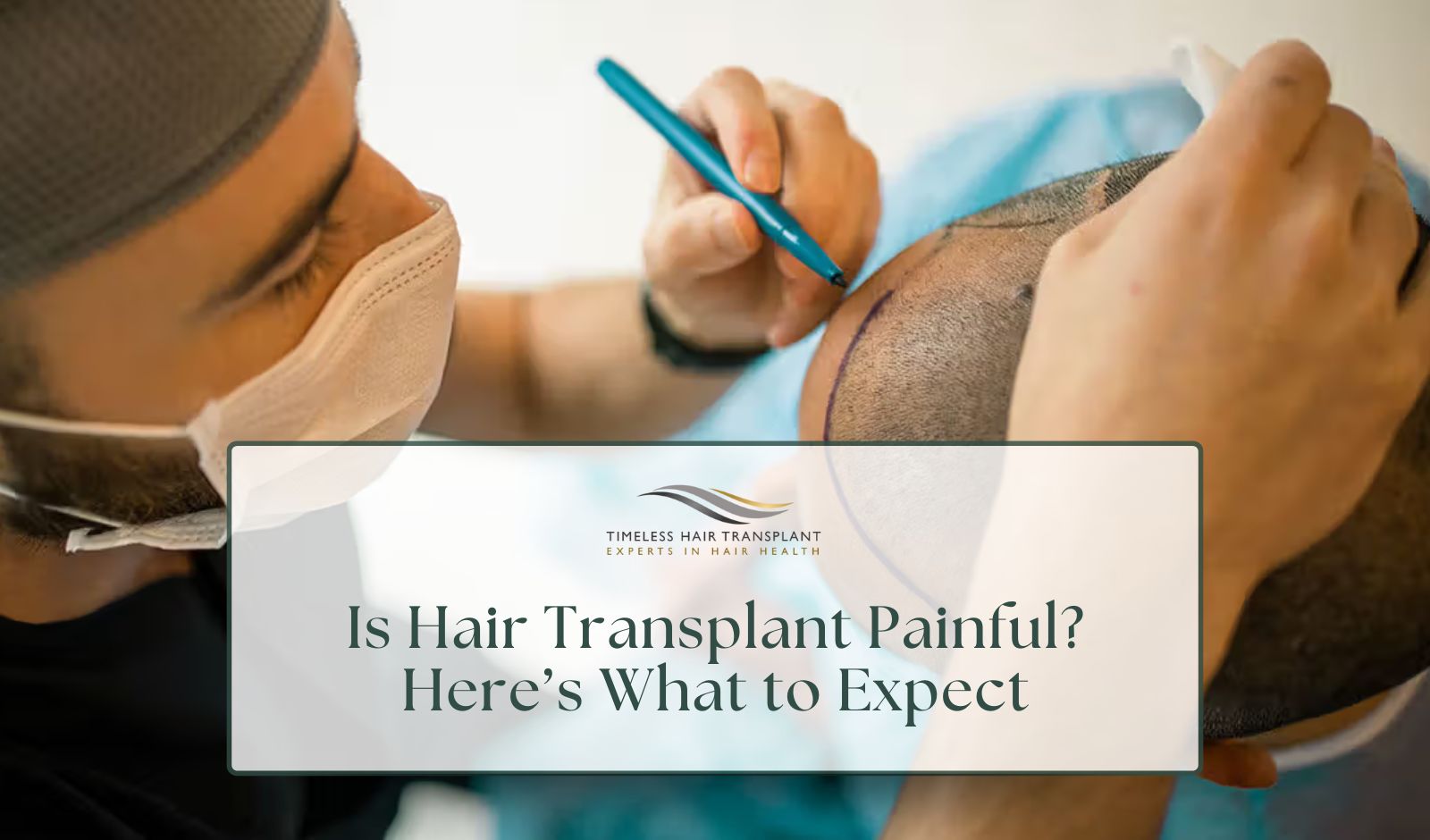
After removing the hair follicles, surgeons make small incisions in the recipient area and place each follicular unit with care. The direction and angle of the transplanted hair matter to ensure natural results. Proper placement is key to making the new hair blend seamlessly with the surrounding hair.
This step requires a high level of skill and is done under local anesthesia to keep you comfortable. Many experienced surgeons specialize in creating natural-looking density with precise implantation techniques, mimicking the way your hair naturally grows.
Recovery and Hair Growth Timeline
Most patients can return to work or daily activities within a few days. You may have mild swelling, redness, or itchiness. These side effects are temporary and usually go away within a week or two.
Here’s what to expect:
- Week 1 to 2: Healing begins. You may experience mild scabbing or tenderness. Follow your clinic’s care instructions carefully.
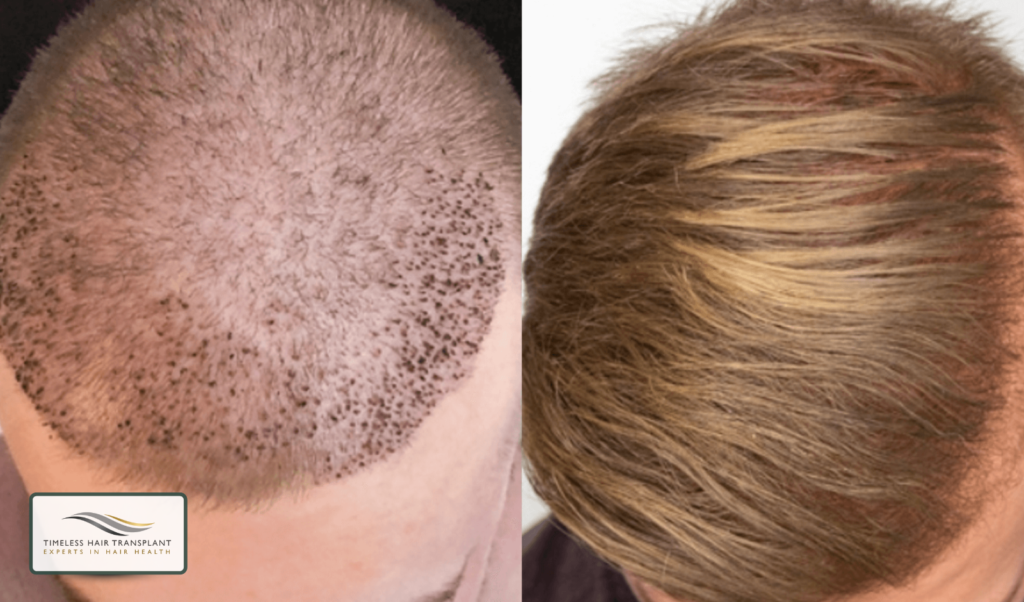
- Month 1 to 3: Some transplanted hair may fall out. This shedding is a normal side effect called “shock loss.”
- Month 4 to 6: New hair growth starts to become visible.
- Month 6 to 12: Final results take shape as your hair transplant procedure becomes fully established. Hair continues to thicken over time.
With proper care, transplanted hair continues growing for years, providing long-term results that look completely natural. Many patients are thrilled to see fuller, healthier hair and a more youthful appearance.
Hair Transplant: Does It Work?
Yes, hair transplants can provide natural-looking, long-term results because the procedure uses your own healthy hair follicles. Many patients also report improved confidence and satisfaction with their appearance.
Modern hair transplants have a high success rate, but results depend on your hair loss, the surgeon’s experience, and proper aftercare. Whether you want to reshape your hairline or restore fullness to thinning areas, a hair transplant can provide a lasting hair restoration option.
Why Choose Timeless Hair Transplant?
Timeless Hair Transplant provides personalised follicular unit extraction (FUE) and follicular unit transplantation (FUT) treatments for hair loss affecting different parts of the scalp. With Dr. Luciano Sciacca’s expertise, transparent hair transplant costs, and dedicated aftercare, our team supports you throughout your hair restoration journey.
Call +44 18 9524 8415 today to book your free consultation and take the first step toward fuller, natural-looking hair.
Frequently Asked Questions
How does a hair transplant work?
A hair transplant moves healthy follicles from a donor area to thinning or bald areas. The transplanted follicles can then grow hair in their new location.
How do I know if I am suitable for a hair transplant?
Suitability depends on your hair loss, donor hair, general health, and treatment goals. A consultation can determine whether FUE or FUT is suitable for you.
Does a hair transplant hurt?
Local anaesthesia helps reduce discomfort during the procedure. Mild soreness, redness, or tenderness may occur during early recovery.
How long does it take to see hair transplant results?
New hair growth often begins around three to four months after treatment. The hair usually becomes fuller and more noticeable over the following months.
How long do hair transplant results last?
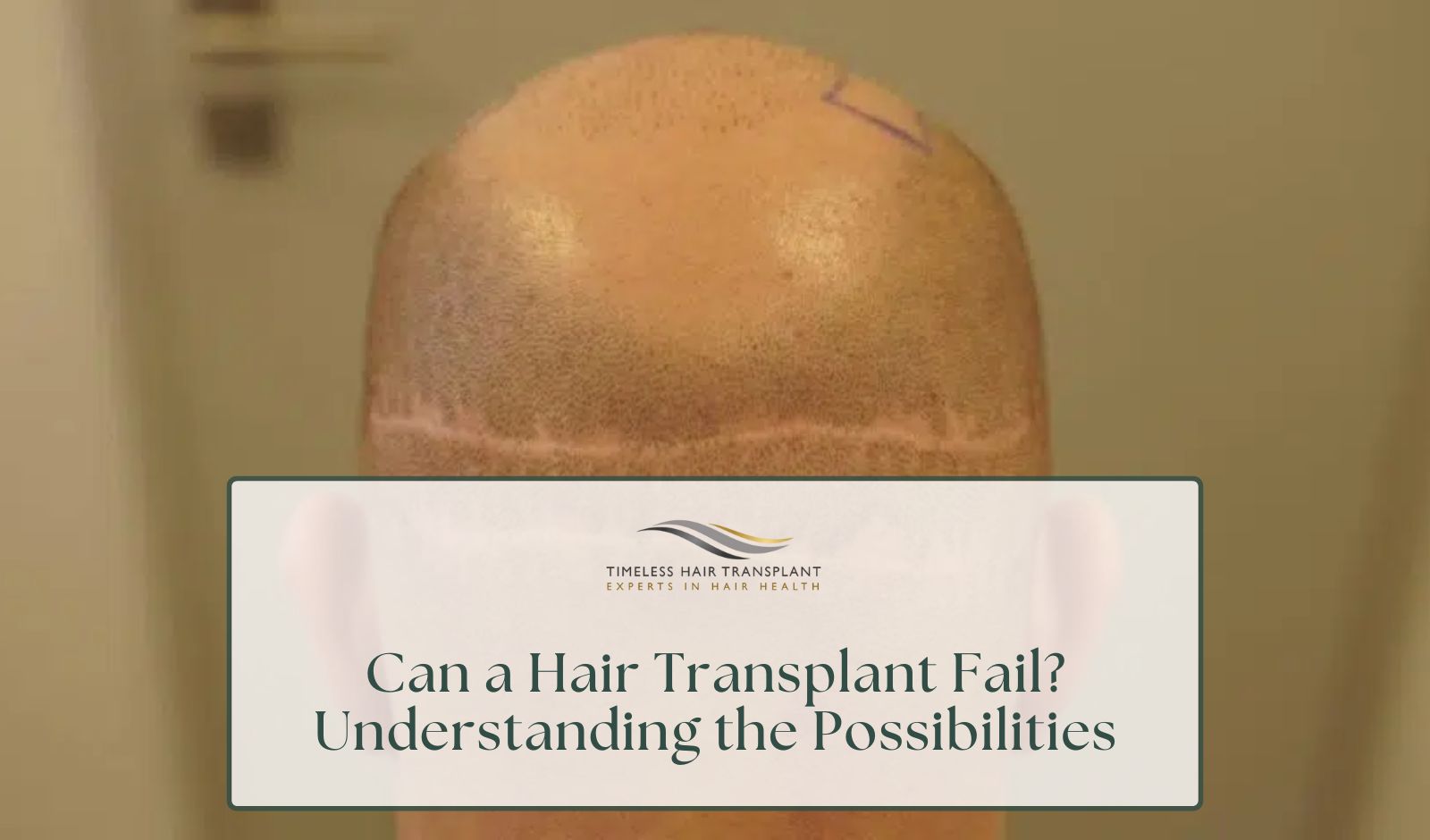
Transplanted follicles are generally resistant to pattern hair loss and can provide long-term growth. Existing non-transplanted hair may continue to thin over time.