
Quick Answer
What are the most common FUT hair transplant side effects?
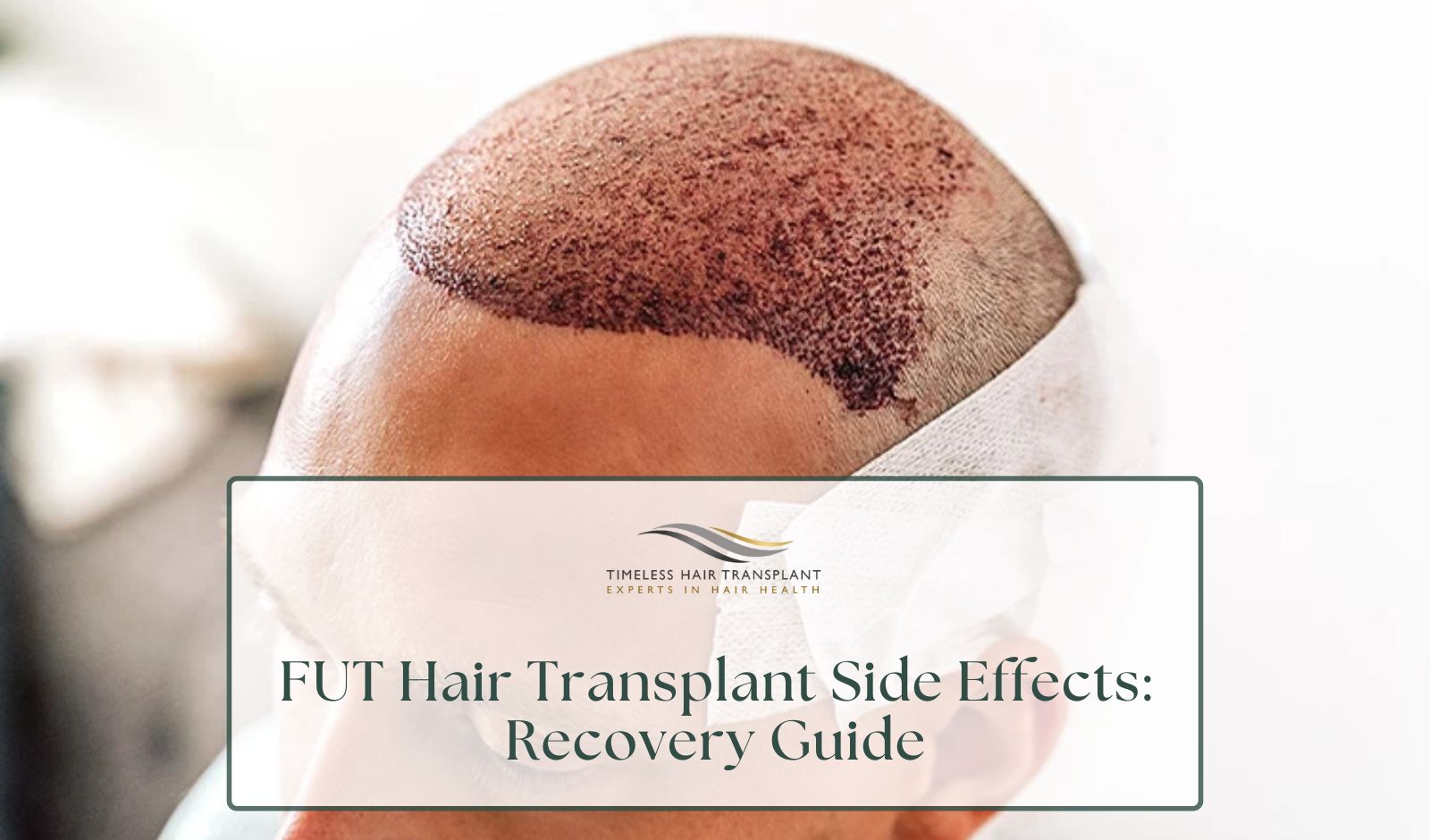
Common FUT hair transplant side effects include swelling, redness, scabbing, donor site discomfort, temporary numbness, and shock loss. Most are temporary and improve within the first few weeks, although numbness and donor site healing may take longer.
Key Takeaways
- Most FUT hair transplant side effects are temporary and manageable.
- Swelling, redness, scabbing, and discomfort are common during early recovery.
- Shock loss can occur, but hair growth typically resumes within a few months.
- FUT leaves a permanent linear scar at the donor site.
- Donor site tightness or numbness may take several weeks or months to improve.
- Following aftercare instructions can help support healing and reduce the risk of complications.
Hair transplant surgery is a proven solution for long-term hair loss, but understanding possible side effects is just as important as understanding the benefits. Many patients considering this procedure specifically ask about FUT hair transplant side effects and how they may differ from other methods.
The side effects of FUT hair transplant procedures are usually temporary and manageable, but they vary depending on the donor site, recipient area, and individual healing response. This guide focuses on the most common short-term and long-term side effects, how long they last, and how FUT compares with other types of hair transplant.
FUT Hair Transplant Side Effects: Recovery Guide
Hair transplant surgery is a proven solution for long-term hair loss, but understanding possible side effects is just as important as understanding the benefits. Many patients considering this procedure specifically ask about FUT hair transplant side effects and how they may differ from other methods.
The side effects of FUT hair transplant procedures are usually temporary and manageable, but they vary depending on the donor site, recipient area, and individual healing response. This guide focuses on the most common short-term and long-term side effects, how long they last, and how FUT compares with other types of hair transplant.
Understanding the FUT Hair Transplant Procedure
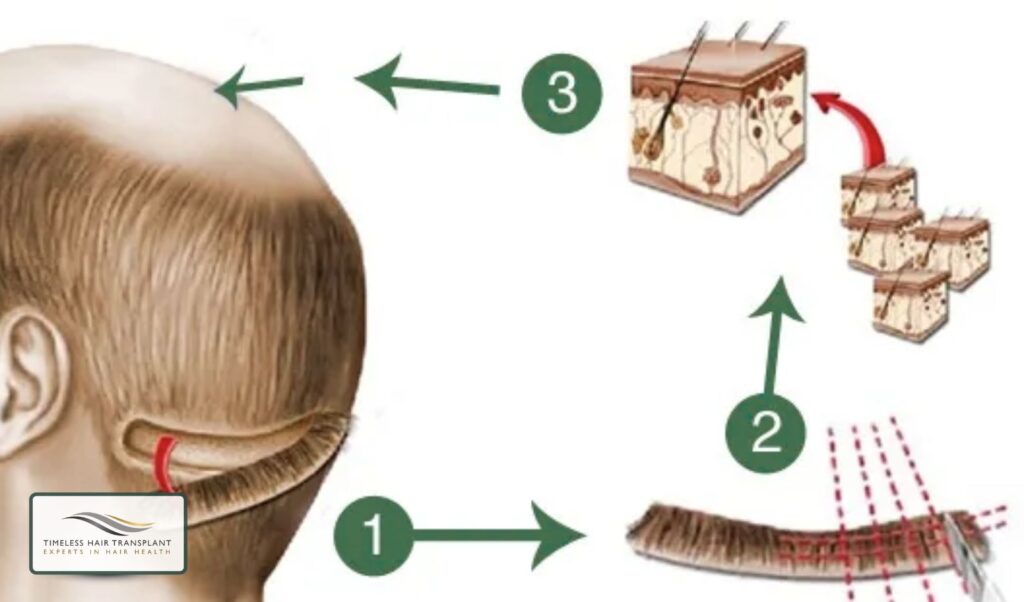
A follicular unit transplant FUT is a hair transplant surgery that involves removing a thin strip of scalp from the donor site, typically at the back of the head where hair follicles are resistant to hair loss. This strip is then divided into individual hair grafts, which are implanted into thinning or bald areas.
Because FUT involves a surgical incision, some side effects are more noticeable at the donor site compared to other methods. However, FUT hair transplant procedures are often chosen when a large number of grafts are required and can deliver excellent long-term results.
Why Side Effects Occur After FUT Hair Transplant Surgery
Side effects occur because FUT is a surgical procedure that affects both the donor site and the recipient area. The body responds with inflammation, swelling, and healing processes as transplanted hair follicles settle and new hair growth begins.
Most FUT hair transplant side effects are part of normal recovery and improve steadily over time, especially within the first 14 days.
Common Side Effects of FUT Hair Transplant
Swelling and Redness
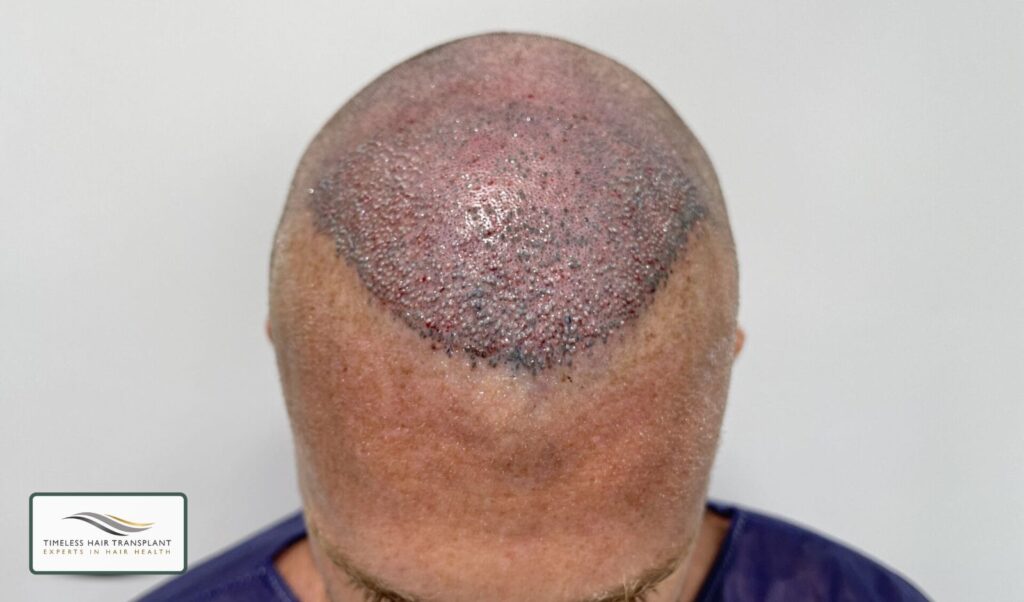
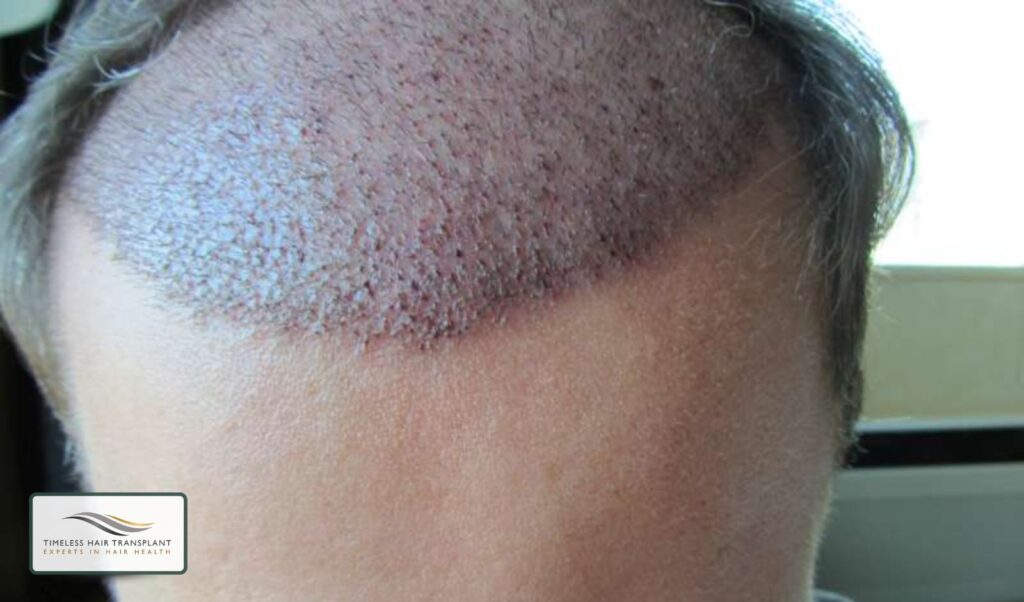
Swelling around the scalp, forehead, or eyes is common in the days following FUT hair transplant surgery. Redness may appear in both the donor site and recipient area as blood flow increases to support healing and hair growth. These effects usually improve within one to two weeks.
Pain and Discomfort
Mild to moderate discomfort is common, particularly at the donor site. Patients may feel tightness or soreness where the strip was removed. This discomfort typically decreases significantly after the first few days and continues to improve as recovery progresses.
Scabbing and Crusting
Small scabs form around the transplanted hair grafts in the recipient area. These protect the healing skin and hair follicles. Scabs should fall off naturally within 10 to 14 days. Picking at them can increase side effects and delay healing.
Shock Loss
Shock loss is a well-known side effect of FUT hair transplant procedures. It occurs when transplanted hair or nearby existing hair falls out temporarily due to surgical stress. Although hair falls during this phase, the hair follicles remain alive and usually restart hair growth within a few months.
Numbness or Tingling
Temporary numbness or tingling may occur around the donor site or recipient area. This happens because small nerves are affected during surgery. Sensation typically returns gradually over weeks or months.
Donor Site Side Effects Specific to FUT
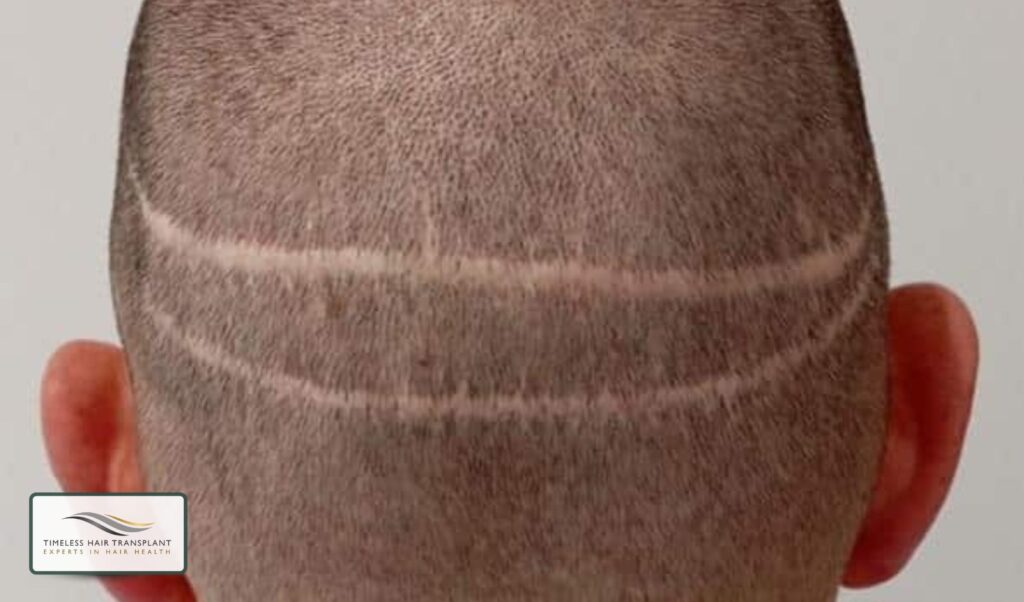
Linear Scarring:
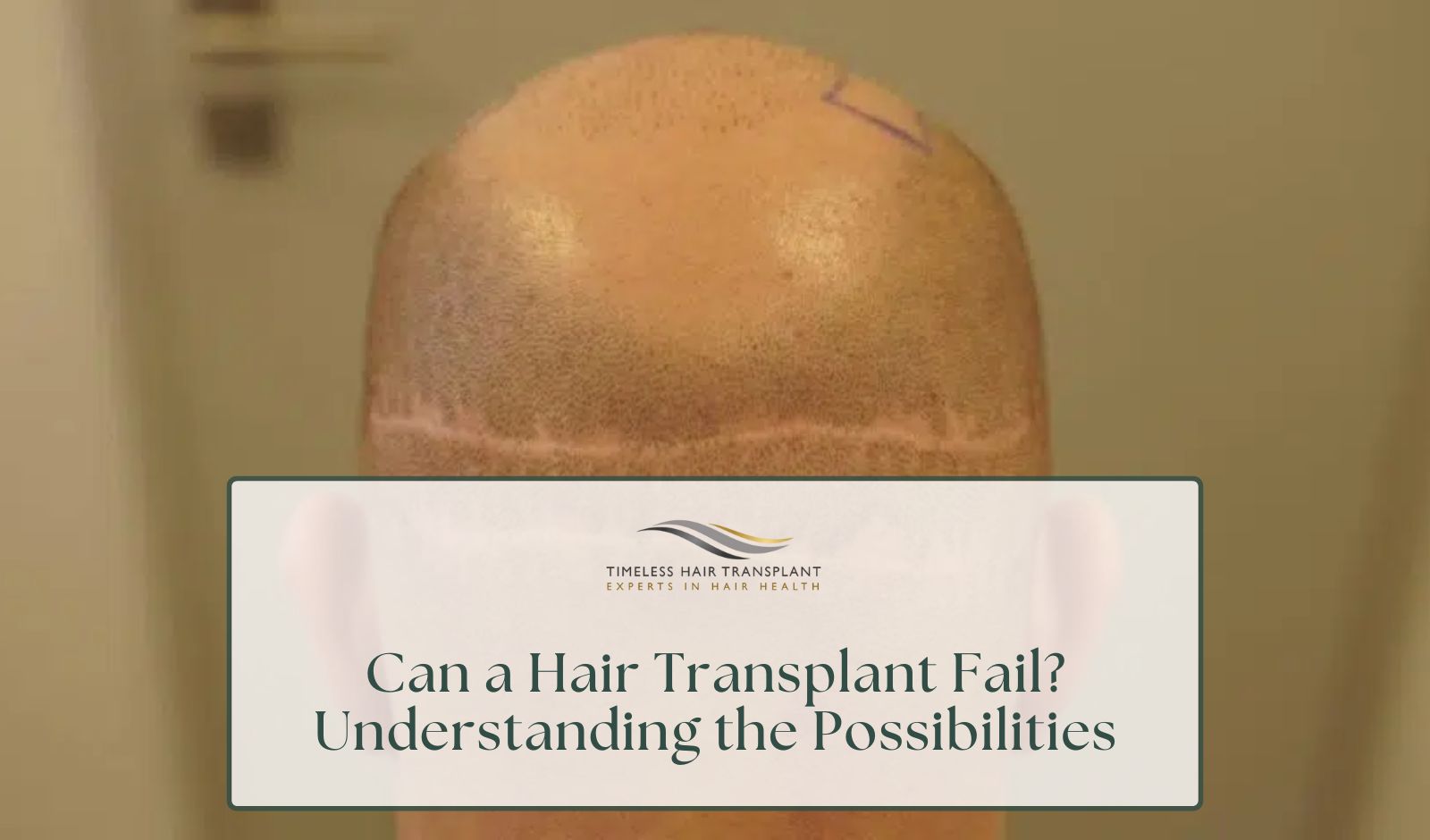
Unlike FUE hair transplants, FUT hair transplant procedures leave a linear scar at the donor site. This scar is usually thin and concealed by surrounding hair but may be visible if hair is worn very short.
Tightness During Healing:
A feeling of tightness at the donor site is common during early recovery. This sensation improves as the skin heals and relaxes over time.
Recipient Area Side Effects
The recipient area may experience redness, sensitivity, and scabbing during early healing. Transplanted hair follicles need time to anchor securely, and mild irritation is normal during this phase.
Temporary shedding in the recipient area is also common and does not affect final hair transplant results.
FUT vs FUE Hair Transplants: Side Effects Comparison
| Side Effect | FUT Hair Transplant | FUE Hair Transplants |
|---|---|---|
| Donor site scarring | Linear scar due to strip removal | Tiny dot scars across donor area |
| Post-operative pain | More noticeable donor site discomfort | Usually milder soreness |
| Swelling | Can be more pronounced in early recovery | Often less intense |
| Shock loss | Possible in transplanted and nearby hair | Also possible |
| Numbness | May last weeks to months | Often resolves sooner |
| Healing time | Longer donor site recovery | Faster donor area healing |
| Tightness | Common early on | Rare |
| Long-term side effects | Visible scar if hair is very short | Minimal visible effects |
Recovery Time and Side Effect Timeline
First 7 to 14 days
- Swelling and redness reduce
- Scabs fall off naturally
- Donor site discomfort improves
Weeks 2 to 4
- Shock loss may begin
- Sensitivity continues to decrease
Months 3 to 6
- New hair growth starts
- Transplanted hair becomes stronger
9 to 12 months
- Final hair transplant results appear
- Hair growth stabilises long term
Long-Term Side Effects of FUT Hair Transplant
Serious long-term side effects are rare. Most patients experience permanent hair growth with minimal lasting issues. The most common long-term consideration is the linear scar at the donor site, which is usually well hidden.
When performed correctly, FUT hair transplant surgery offers stable, long-term results.
Reducing Side Effects and Supporting Healing
Patients can minimise FUT hair transplant side effects by:
- Keeping the head elevated during early recovery
- Avoiding strenuous activity for at least 14 days
- Not touching or scratching hair grafts
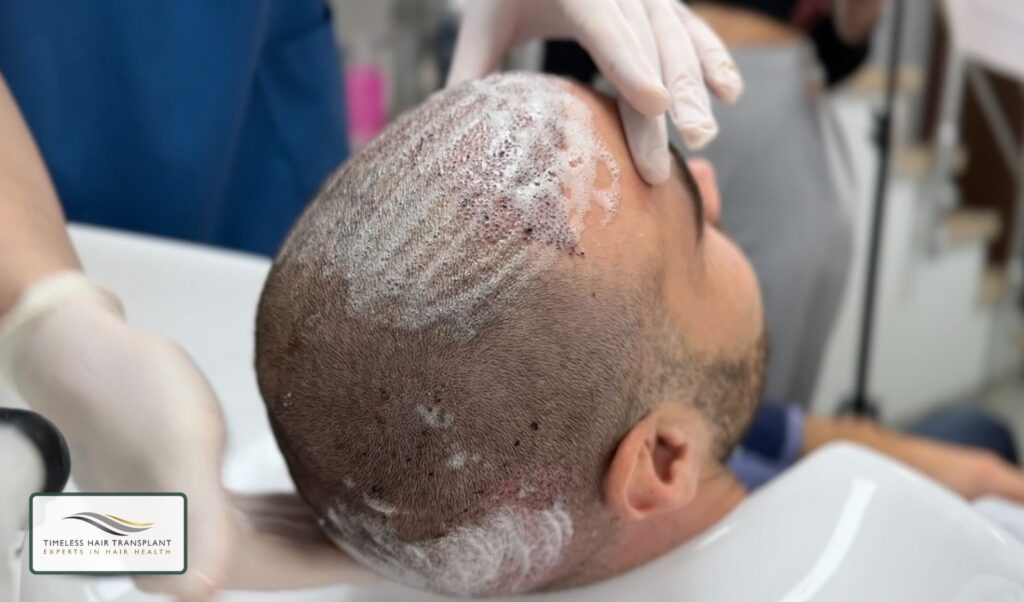
- Following washing instructions carefully
- Attending follow-up appointments
These steps help protect transplanted hair follicles and support healthy hair growth.
When to Contact Your Hair Transplant Clinic
Contact your clinic if you experience:
- Increasing pain after the first few days
- Signs of infection
- Excessive swelling or bleeding
- Delayed healing beyond expected recovery time
Early attention helps prevent complications.
Final Thoughts on FUT Hair Transplant Side Effects
Understanding FUT hair transplant side effects allows patients to prepare properly and recover with confidence. Most side effects are temporary, manageable, and part of the normal healing process.
With expert care, realistic expectations, and proper recovery habits, FUT hair transplant procedures provide long-term hair restoration and natural-looking results.
Start Your Hair Restoration Journey Today
If you are considering FUT hair transplant surgery and want clear guidance on side effects, recovery time, and expected results, Timeless Hair Transplant is here to help.
Call us today+44 18 9524 8415 to book your free consultation.
Frequently Asked Questions
What are the most common side effects of a FUT hair transplant?
Common side effects include swelling, redness, scabbing, discomfort, and temporary numbness. Most improve within the first two weeks.
How long do FUT hair transplant side effects last?
Most short-term side effects improve within one to two weeks. Numbness or tightness may take longer to resolve.
Is shock loss normal after a FUT hair transplant?
Yes. Temporary hair shedding can occur after FUT, with new hair growth typically beginning within a few months.
Does a FUT hair transplant leave a permanent scar?
Yes. FUT leaves a linear scar at the donor site, which is usually concealed by surrounding hair.
Is FUT more painful than FUE?
FUT may cause more donor site discomfort because a strip of scalp is removed. This discomfort usually improves as the area heals.
Can FUT hair transplant side effects affect my final results?
Temporary swelling, scabbing, or shedding does not necessarily affect the final result. Proper aftercare helps protect the transplanted grafts.
When does new hair start growing after a FUT hair transplant?
New hair growth often begins around three to four months after FUT. Results continue to develop over the following months.
Are there any long-term side effects of a FUT hair transplant?
The main long-term consideration is the linear donor site scar. Some patients may also experience longer-lasting changes in scalp sensation.
How can I reduce side effects after a FUT hair transplant?
Follow your clinic’s aftercare instructions, avoid strenuous activity, and do not scratch or pick at the treated areas.
When should I contact my clinic after a FUT hair transplant?
Contact your clinic if you have worsening pain, excessive swelling or bleeding, signs of infection, or concerns about healing.