

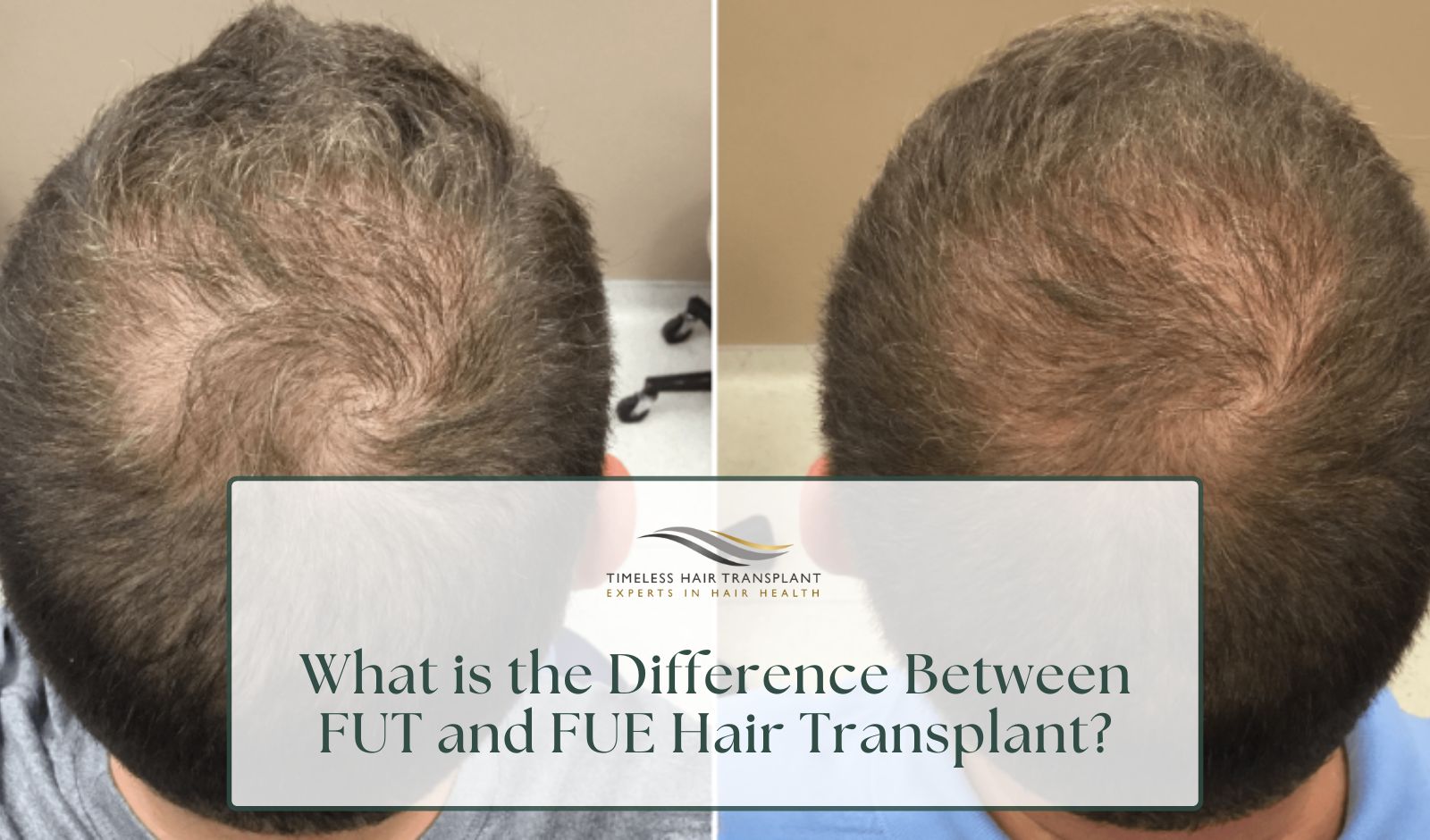
Quick Answer
What is the difference between FUT and FUE hair transplant?
The main difference is how donor hair is removed. FUT removes a strip of scalp containing multiple hair follicles, while FUE extracts individual follicles one at a time. FUT can be suitable for larger graft sessions, while FUE offers less noticeable scarring and a shorter recovery.
Key Takeaways
- FUT removes a strip of donor scalp, while FUE extracts individual hair follicles.
- FUT can provide a larger number of grafts in one session.
- FUE leaves small dot-like scars instead of a linear scar.
- FUE generally has a shorter donor-area recovery time.
- FUT is often more cost-effective for larger transplant sessions.
- The right method depends on your hair loss, donor hair, hairstyle, budget, and goals.
Hair loss can affect your appearance, confidence, and overall self-esteem. Thanks to modern hair transplant methods, restoring natural-looking hair growth is more achievable than ever. Two of the most common options are follicular unit transplantation FUT (often called the strip method) and follicular unit extraction FUE.
If you’ve ever wondered “What’s the difference between FUE and FUT hair transplant?” or “Which is better FUE or FUT hair transplant?”, this guide breaks it all down in clear, simple terms so you can make the best decision for your needs.
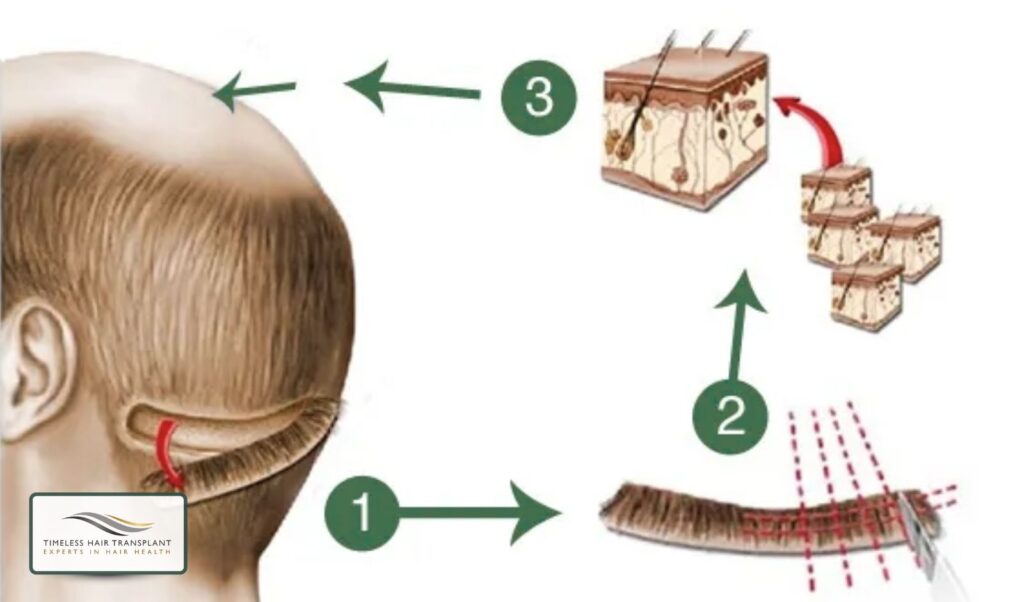
What Is FUT (Follicular Unit Transplantation)?
FUT hair transplant is one of the most established and effective surgical techniques for treating hair loss.
How FUT works:
- The surgeon removes a small strip of skin from the back or sides of your head, known as the donor area.
- This donor hair contains healthy follicles resistant to the hormones that cause baldness.
- The strip is divided into individual follicular units, each containing 1 to 4 individual hairs.
- These hair grafts are then placed into thinning or balding areas to create a natural hairline and fuller coverage.
Because FUT can transplant a large number of transplanted hairs in a single session, it’s often recommended for patients with extensive hair loss who want significant coverage.
Advantages of FUT:
- Allows for a larger number of hair grafts at once.
- Often more affordable compared to FUE.
- Long-lasting hair growth results.
Drawbacks of FUT:
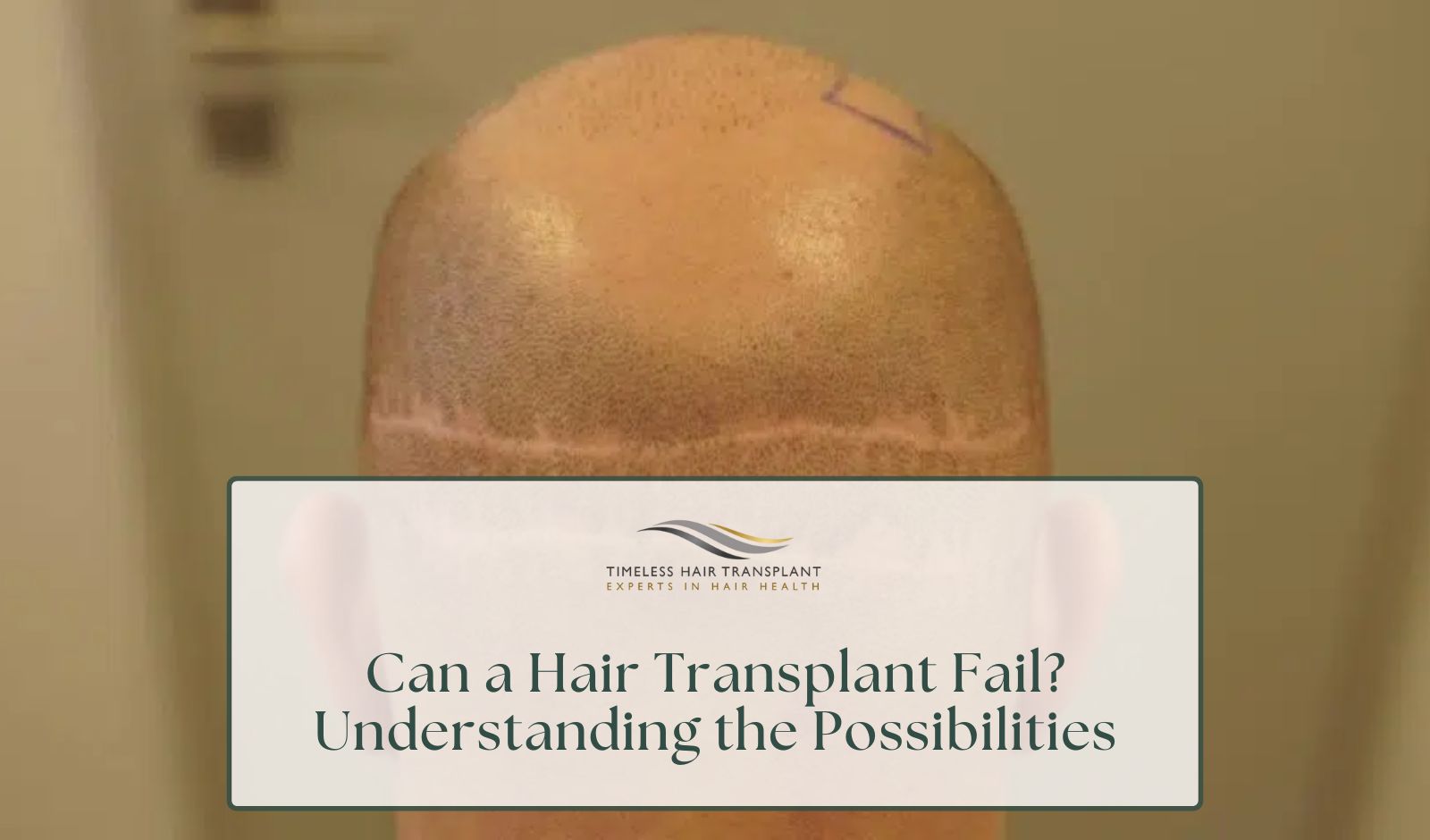
- Leaves a linear scar in the donor area (visible scarring).
- Slightly longer recovery time compared to FUE.
- Less hairstyle flexibility if you prefer very short cuts.
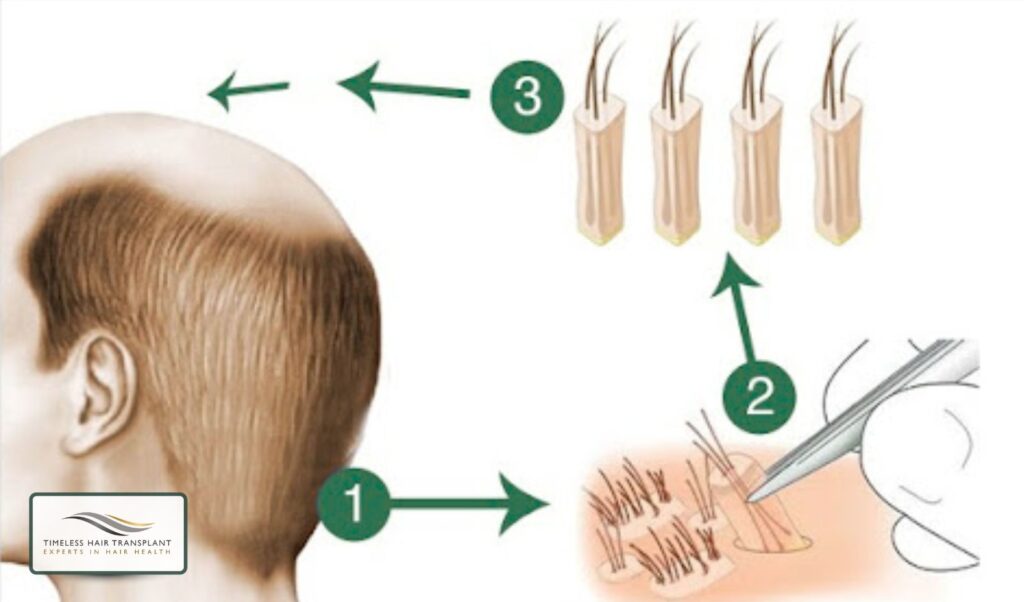
What Is FUE (Follicular Unit Extraction)?
FUE hair transplant is a more modern type of hair transplant that focuses on minimal scarring and faster healing.
How FUE works:
- The surgeon uses precision FUE techniques to extract individual hair follicles directly from the donor area.
- The hair is removed one follicle at a time instead of in strips of skin.
- These follicles are then inserted into the thinning or bald recipient area.
Advantages of FUE:
- No visible scarring, only tiny dot marks that fade over time.
- Shorter recovery time.
- Greater flexibility for short hairstyles.
Drawbacks of FUE:
- Typically, higher cost compared to FUT.
- May require multiple sessions for large-scale coverage.
FUT Follicular Unit Transplantation vs FUE Techniques
The decision between FUT follicular unit transplantation and FUE hair transplant depends on:
- The size of the areas of the scalp you want restored.
- Your hairstyle preferences.
- How much donor hair you have available.
- Your budget and acceptable recovery time.
If your priority is maximum coverage in one hair transplant procedure, FUT’s strip method may be more efficient. If your focus is avoiding visible scarring and enjoying a quicker recovery, FUE might be the better choice.
Which Is Better: FUE or FUT Hair Transplant?
When it comes to “Which is better FUE or FUT hair transplant?”, there’s no universal answer. The best method depends on your hair loss pattern, desired style, and personal preferences.
- Choose FUT if: You have extensive hair loss and want the most hair grafts in one session at a lower cost.
- Choose FUE if: You want minimal scarring, shorter recovery, and more flexibility for shorter hairstyles.
Both methods deliver long-term hair growth when performed by a skilled hair transplant surgeon using the right approach for your needs.
Hair Growth and Long-Term Results
Both FUE and FUT hair transplants use donor hair from areas of the scalp, usually the back or sides, that are naturally resistant to the hormones causing male pattern baldness. These hairs are more likely to grow for life, even after being transplanted.
Here’s what to expect after your procedure:
- 3-4 months: New transplanted hairs start to grow, they may look thin at first.
- 6-9 months: Hair becomes thicker and blends naturally with your existing hair.
- 12-18 months: Full results, with mature texture and density.
- Long-term: Results can last for decades, often for life, especially when done by skilled hair transplant surgeons using the right hair transplant techniques.
Both FUE and FUT offer lasting, natural hair growth, making them a reliable long-term solution for hair loss.
FUT vs FUE: Healing and Aftercare
The recovery process is a key part of any hair transplant journey. While both FUT and FUE are effective, the way your scalp heals and how quickly you return to normal activities can differ. Understanding these differences helps you set realistic expectations and follow the right aftercare routine to protect your new grafts.
FUT (Follicular Unit Transplantation):
- Requires stitches in the donor area.
- Healing takes around 10-14 days.
- Leaves a linear scar, usually hidden by hair.
FUE (Follicular Unit Extraction):
- No stitches needed, only tiny dot marks that fade.
- Recovery is quicker, often 5-7 days.
- Less discomfort compared to FUT.
Aftercare for Both:
- Avoid touching or scratching grafts.
- Protect your scalp from sun and heavy exercise.
- Follow your surgeon’s care instructions for best results.
With proper care, both FUT and FUE can deliver natural, long-lasting hair growth.
Choosing the Right Type of Hair Transplant
Selecting between FUE and FUT isn’t just about price, it’s about finding the method that fits your hair loss needs, lifestyle, and long-term goals.
Your choice should be based on:
- Extent of hair loss: FUT can handle larger coverage efficiently.
- Lifestyle: Active individuals may prefer FUE’s quicker healing.
- Hair transplant costs: FUT is usually more cost-effective for bigger sessions.
- Scarring concerns: FUE offers less noticeable marks.
No matter which type of hair transplant you choose, the key to great results is working with experienced hair transplant surgeons who understand both techniques. At Timeless Hair Transplant, we’ll guide you through every step so you feel confident in your decision and your results.
Why Choose Timeless Hair Transplant?
At Timeless Hair Transplant, we go beyond restoring hair, we restore confidence. Every patient receives a personalised treatment plan tailored to their hair type, stage of hair loss, and long-term goals.
Our expert team is skilled in both FUE and FUT techniques, ensuring the right method for each individual. We focus on precision placement of grafts for natural-looking results, use donor hair that’s resistant to future loss for lasting outcomes, and provide dedicated support from consultation through aftercare. With Timeless Hair Transplant, you’re not just getting a procedure, you’re gaining trusted care and results designed to last.
Ready to take the first step toward natural, permanent hair restoration? Call us today at +441895248415 or visit Timeless Hair Transplant to book your free consultation. Your confidence deserves it.
Frequently Asked Questions
Which is better, FUT or FUE hair transplant?
Neither method is better for everyone. FUT may suit patients who need more grafts in one session, while FUE may suit those who prefer less noticeable scarring and a shorter recovery.
Does a FUT hair transplant leave a scar?
Yes. FUT leaves a linear scar where the strip of donor scalp is removed. It can usually be concealed by surrounding hair.
Does an FUE hair transplant leave scars?
Yes. FUE leaves small dot-like scars where individual follicles are removed. These are generally less noticeable than the linear scar associated with FUT.
How long do FUE and FUT hair transplant results last?
Both FUE and FUT use donor follicles that are generally resistant to pattern hair loss and can provide long-term growth. Existing non-transplanted hair may continue to thin over time.
Which has a faster recovery, FUE or FUT?
FUE generally has a shorter donor-area recovery because it does not require strip removal or stitches. FUT usually takes longer to heal due to the incision at the donor site.